In a few days, I will celebrate my birthday.
 America 2026
I still often feel like that boy who used to run home before an important match, or who pretended to be asleep until his father allowed him to stay up late to watch a late game. But numbers don’t care how we feel. Time passes in its own way, whether we acknowledge it or not.
The problem is that I’m not good at measuring time with numbers.
When someone asks me about a certain period in my life, I don’t think in years. I think in World Cups.
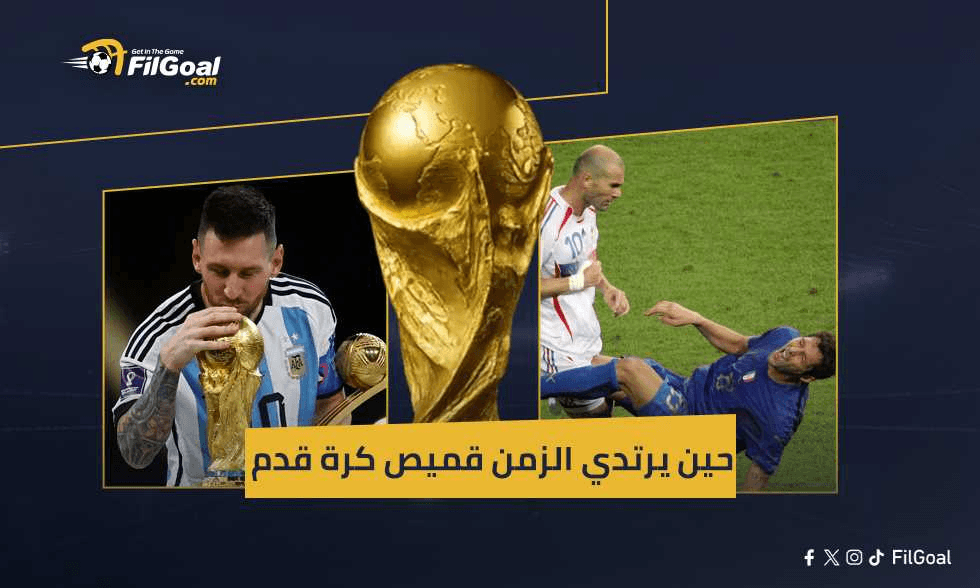
I think of the 2006 edition more than I think of my age at that time. I remember the semi-final between Germany and Italy more than I remember what I was studying in school. I remember the tears I didn’t understand at the time after Fabio Grosso’s and Alessandro Del Piero’s goals, and I remember the silence that filled my small room, as if a twelve-year-old had discovered for the first time that the things we love can leave before we are ready for that.
Maybe that’s why the World Cup feels different from any other tournament.
Not just because it’s the biggest tournament in football, but because it has become for many of us a strange way to measure life itself.
Every four years, the same question comes back to us:
Where were you last time? It’s not just a question about place.
Who were you? What were you afraid of? What dreams were you chasing?
And how many people are still sitting next to you to watch the matches?
In 2006, I was a child who believed that football was fair.
I thought the best team wins, that effort is rewarded, and that the world operates according to a comprehensible logic.
Then Italy came.
Then life came afterward to confirm that football was trying to teach me something earlier than it should have.
In 2010, I was a little older, but I was still learning.
In 2014, I was living one of the most enjoyable editions in the tournament's history. I watched Germany crush Brazil with a score that is unlikely to be repeated, and then I watched Mario Götze give me a title I had long awaited.
At that time, the future seemed simple. I thought the coming years would be a natural extension of what I already knew. I didn’t know that time loves surprises more than it loves plans.
In 2018, I was a different person.
And in 2022, I was a different person again.
This is not a metaphor. It’s a fact.
When Messi lifted the trophy in Qatar, I didn’t just see a player achieving his dream. I saw a part of my generation closing a full circle.
There are players we love because they win. And there are players we love because we grew up with them.
Messi is of the second kind.
He was not just a player for millions of fans. He was a witness to entire years of their lives. That’s why his tears in Lusail seemed to belong to everyone.
That’s what makes the World Cup different from any other sporting event.
The league returns in a week. The Champions League returns in months.
But the World Cup disappears long enough for your life to change completely.
You might start an edition as a student.
And watch the next edition as an employee.
Then watch the one after that as a spouse or a parent.
Your home may change. Your job. Your friends. Even your dreams.
But the tournament always returns in almost the same way, as if it were a cosmic clock reminding you that time has indeed passed.
And that’s why World Cup matches don’t live in our memory separately. They are connected to everything else.
The room we watched the match from. The person who sat next to us.
The song that was popular at the time. And the old version of ourselves.
I have always tried to explain the immense popularity of football. Why this game specifically? And why don’t other sports do the same?
I think the answer doesn’t relate to the ball itself. But to the human being.
Football resembles life more than we like to admit.
In life, you don’t get dozens of clear opportunities every day. And in football, neither do you.
You might wait a full ninety minutes for a single moment.
One pass. One shot. One mistake. One decision.
Then the whole story changes.
We don’t love football because it’s a game of scoring goals. We love it because it’s a game of waiting.
And because human beings are, by nature, creatures that live on waiting.
We wait for an opportunity. We wait for love. We wait for success. And we wait for a small miracle that makes all of the above make sense.
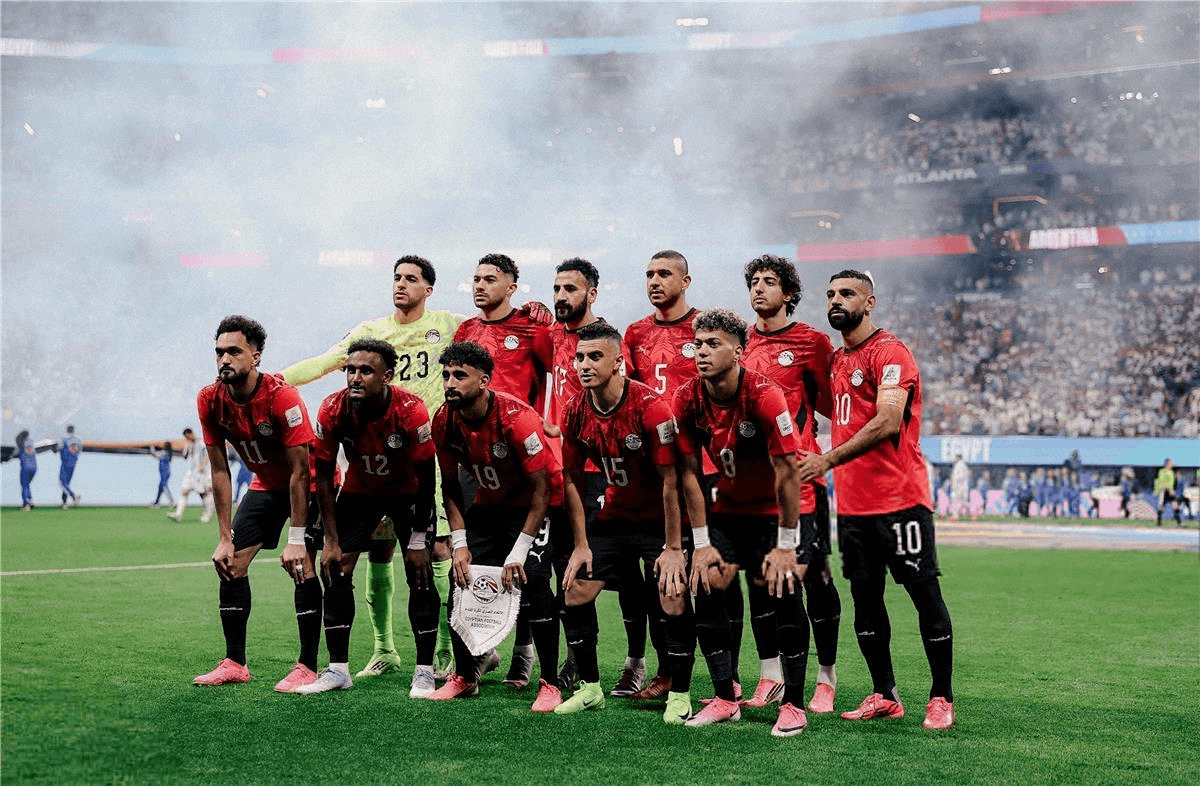
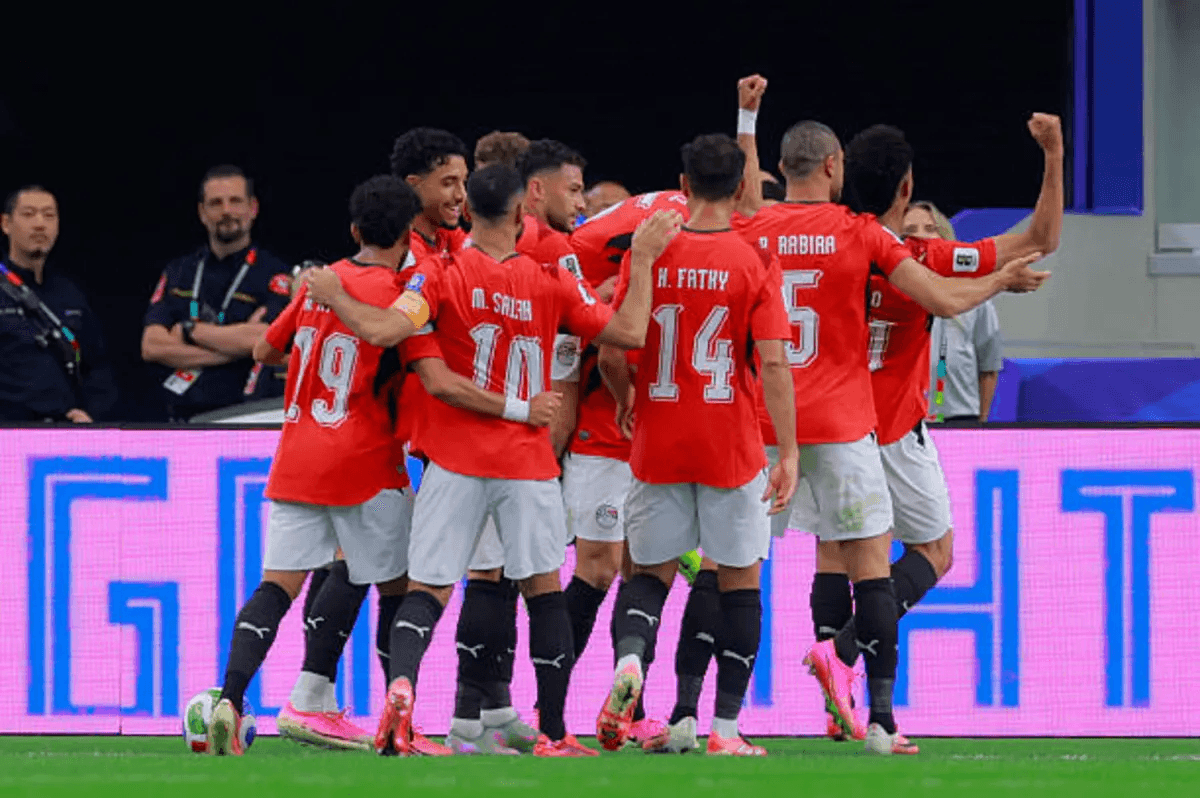
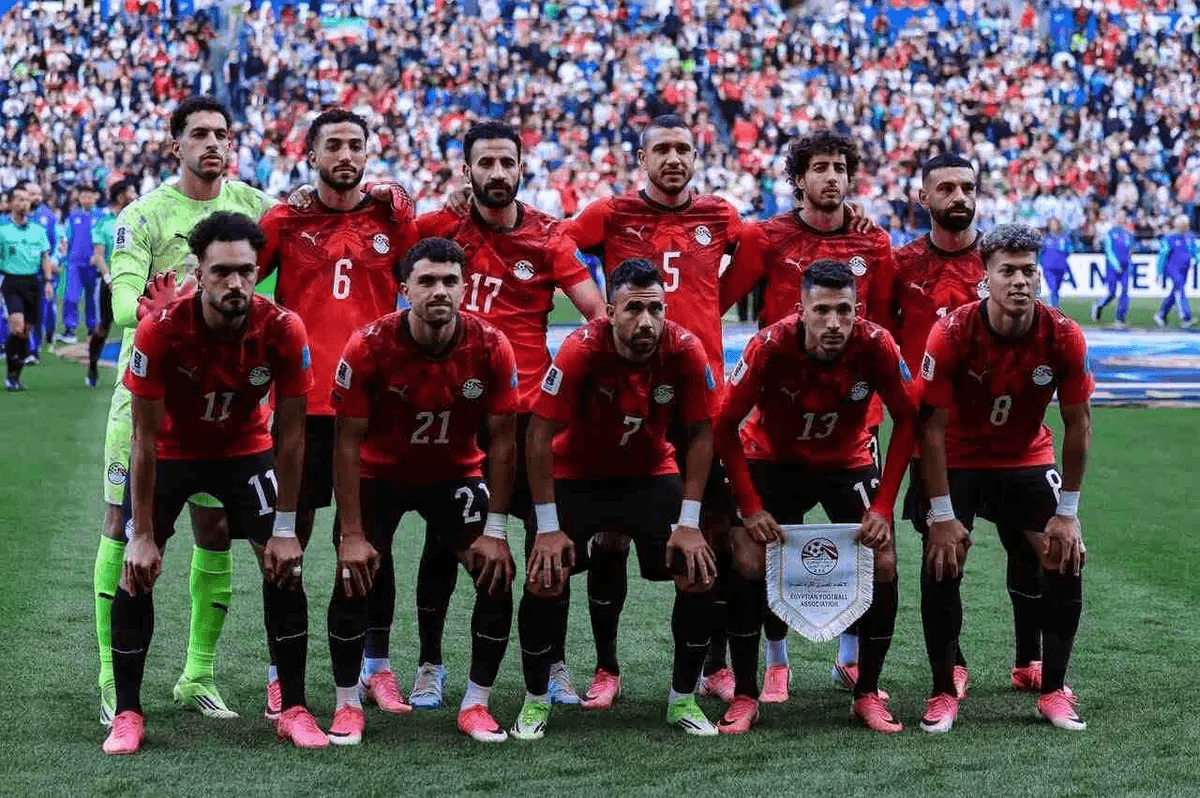
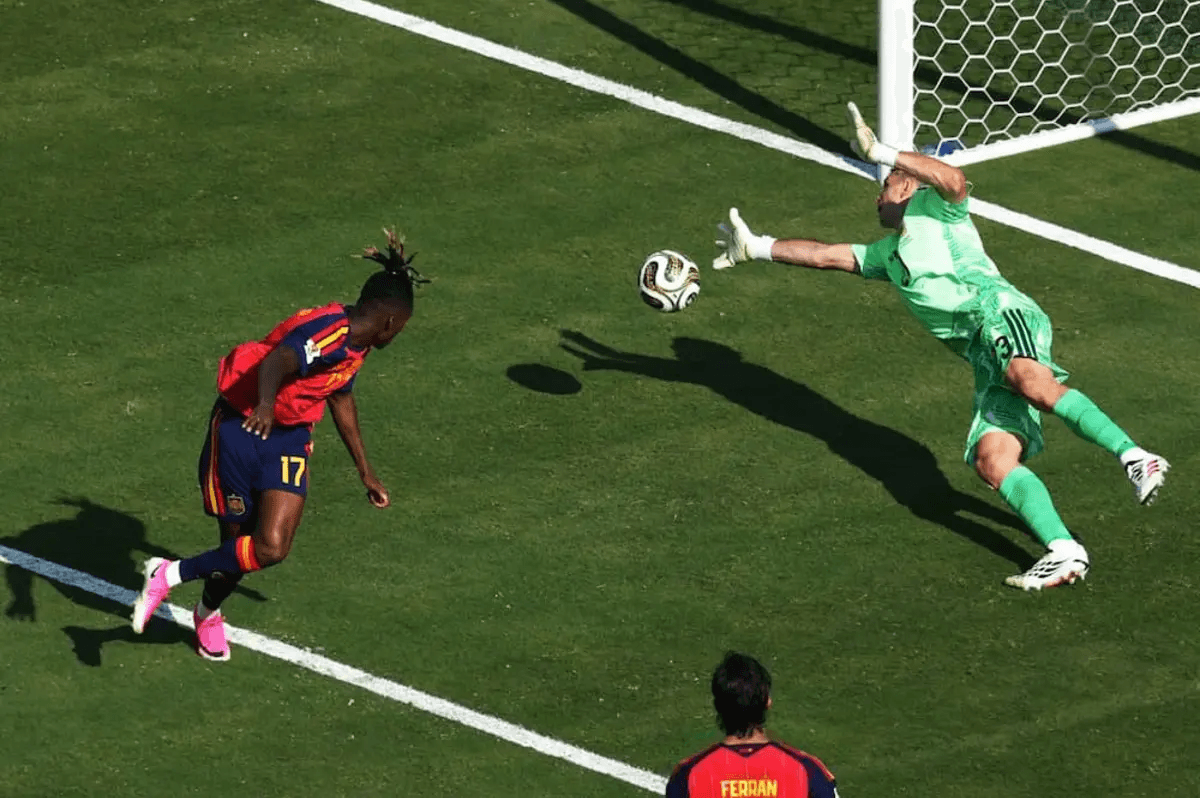
Yesterday, a new edition of the World Cup kicked off. A bigger edition than ever before.
48 teams. Three host countries.
And billions of people who will sit in front of screens for almost the same reasons.
There will be a child watching the first tournament of his life.
And there will be a man in his sixties recalling memories of tournaments he watched decades ago.
And there will be someone who will fall in love with football for the first time.
Just as it happened to all of us one day.
As for me, I will watch it just days away from my thirty-second year.
And I will do what I always do. I won’t think much about the upcoming matches. But about the past matches.
I won’t ask who will win the cup.
But I will think of the child who saw Germany lose to Italy in 2006, and the young man who learned that waiting can have meaning when Germany was crowned world champion in 2014, and the man who finally watched Messi lift the cup in 2022.
Three different editions of me. Three almost different people.
But they all sit today in the same place, waiting for the starting whistle.
And maybe that’s why I don’t like to say that the World Cup takes place every four years.
The truth is that the World Cup doesn’t return every four years. We do.
We return to it each time with a new version of ourselves, and then we discover that the game wasn’t just recording the history of football.
It was recording our history too.