The 2026 World Cup, hosted in the United States of America in partnership with both Canada and Mexico, faced numerous scathing criticisms even before it began, and doubts increased about the integrity of the International Federation of Association Football "FIFA" under the leadership of the Swiss Gianni Infantino.
Those doubts reached their peak after the match between the Egyptian national team and the Argentine national team, during which the whole world witnessed clear bias toward one side over the other, and many explicitly pointed fingers of accusation at Infantino, who left no room during this tournament to clear his name, and continued to tarnish his image more and more with decisions and statements that were all controversial.
Those controversial statements began last April when Infantino affirmed that the World Cup is the only outlet for FIFA to make money, and that was when he was confronted with the exaggerated rise in ticket prices, saying: "The World Cup is the only event that generates money for the International Federation of Association Football; this tournament is held for one month every four years, and therefore we have no profits except in that month, while in the following 47 months we spend that money."
You have to relax
Infantino's statements were not only controversial, but also provocative to the media and a large segment of the football audience; after the visa crisis that erupted before the start of the tournament, the Swiss's response was that we should calm down and relax.
That statement was like pouring oil on the fire, as it was considered entirely inappropriate in light of many fans losing their chances to attend such an exceptional event that does not come every day, after they had invested a lot to be present, and that only because they come from countries that the American government does not prefer to receive guests from.
The visa problem was not limited to fans only, but also affected people at the heart of the sports system; Somali referee Omar Abdel Qader Artan was prevented from entering America despite holding a valid visa, even though he fundamentally falls under the umbrella of the International Federation of Association Football, but even that did not help him and he was deported to his country.
The matter reached the point where an entire national team delegation was deprived of holding its training camp in the United States; the Iranian national team was forced to hold its camp in Mexico even though all its matches were in America, and they had to enter the country only on the day of the match and leave on the same day, in a clear violation of the principle of equal opportunities.
Infantino showed no real intention to solve such a major problem and was content with affirming that these matters are up to the governments organizing the tournament, and that the International Federation cannot intervene and express an opinion on who should enter the country, stressing that he always seeks to find middle-ground solutions but in the end he is not the king of the world.
Claim of increasing the number of teams for the benefit of small teams
The decision to expand the tournament to include 48 teams instead of 32 is considered the biggest decision related to Gianni Infantino, who affirmed that this is an opportunity to give countries from less represented continents in the World Cup, such as Asia, Africa, and Oceania, a greater chance to appear and prove their entitlement to more seats at the global event.
But media and public speculations following that decision indicated that it was primarily a commercial step, as increasing the number of teams means consequently increasing the number of matches to 104 instead of 64, and thus increasing the number of tickets sold, broadcasting rights, subscriptions, and so on.
This became evident in this edition; from the start of the group stage until the last match of the round of 16, we did not witness a single day without matches, in a historical precedent.
With the increase in teams, broadcasting, sponsorship, and commercial advertising rights increased, so the International Federation of Association Football introduced for the first time a three-minute break in the middle of each half for players to catch their breath, and that break is not related to temperature or anything of the sort; it is mandatory regardless of the surrounding conditions, and during that break a commercial break is aired, which is also considered a historical precedent.
Many considered that those breaks turned a football match into four halves, and that they play a role in killing the natural flow of events in the match, and often tip the balance in favor of one team over another; reports also indicated that those breaks generate profits reaching hundreds of thousands of dollars.
Therefore, the argument of giving rest to the players appears flimsy when we see that the American "Fox Sports" network airs full commercial breaks during those intervals, to the point that in one match it returned to live broadcast seconds late after the match referee had already blown the whistle to start, according to what was reported by the British newspaper The Guardian.
Dynamic pricing
The ticket sales system for the 2026 World Cup has become one of the most controversial files, as the International Federation of Association Football resorted to a sales system more similar in structure to selling concert and music tickets than to the traditional sports tournament ticket sales system.
FIFA relied on the "dynamic pricing" system, which is a system that makes the ticket price change according to the volume of demand for the match, and therefore the fan no longer knows the real price of the ticket; it could be $100 in the morning and then turn into $500 by evening.
Instead of Gianni Infantino seeking to limit speculation and the resale of tickets on the black market, he decided to lead it himself and benefit from the imaginary financial returns it produces, and therefore we saw some matches where ticket prices reached thousands of dollars, making the ordinary fan unable to attend the matches.
This system is corrupt in its essence because, as we mentioned, it is based on increasing demand; therefore, the stronger the matches between powerful teams with big names and history, the greater the demand to attend them and the higher the ticket prices to the sky; speculations in this case about FIFA's desire for only the big teams to reach the advanced stages are understandable, as a match between Egypt and Switzerland will not have the same demand as one between Argentina and Switzerland; one strong side is enough to sell more tickets at a higher price, especially if that side is the champion of the previous edition and has Lionel Messi in its ranks.
Infantino's strange relationship with Donald Trump
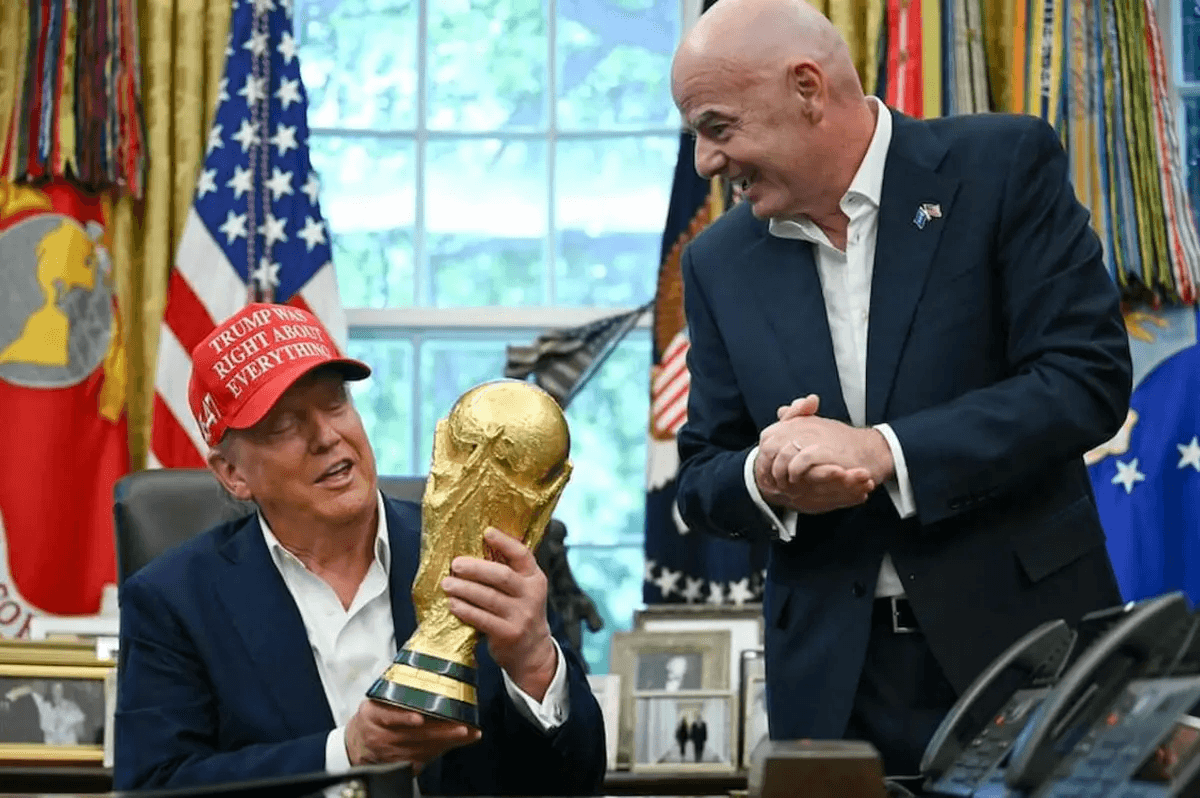
When the discussion turns to Infantino, his strange relationship with the President of the United States of America, Donald Trump, clearly surfaces, as they appear together in many sports and political occasions that do not require their meeting to this suspicious degree.
The view of Infantino's relationship with Trump began to be seen as one of political and commercial benefit when the FIFA president decided in December 2025 during the World Cup draw ceremony to grant the American president a newly introduced peace prize for the first time, which sparked widespread controversy, especially amid the ignition of many wars and political conflicts around the world in which America is a party in most of them.
Once again, that was a historical precedent, as one of the most important slogans of the International Federation of Association Football is political neutrality; granting such a prize to a head of state during his term of office fundamentally contradicts that slogan, as confirmed by the human rights organization "Fair Square."
Infantino's favoritism toward the American president was evident in his non-intervention in the visa crisis as we mentioned earlier, and all his statements carried a tone of belittling the matter, without taking a reaction befitting the president of the International Federation of Association Football and its foremost representative in the world at large; he appeared weak and complicit.
Infantino's position became untenable to assume good faith without a shadow of a doubt after the incident involving the American national team striker Folarin Balogun, who received a red card against the Bosnia and Herzegovina national team in the round of 32, which entails his absence from the next match according to FIFA regulations.
But a phone call made by Donald Trump to Infantino was enough to lift the red card from the player and allow him to participate in the round of 16 against Belgium; Trump affirmed that he was keen to speak with Infantino personally to discuss the incident, while the latter affirmed that the American president's intervention had no role in canceling the punishment and that the decision came through an independent committee specialized at the International Federation.
Widespread international and European aversion
After the decision to lift the expulsion from the American national team striker, the European Parliament, led by more than 30 members, was keen to demand a comprehensive investigation into the Swiss Gianni Infantino, as they considered the incident touches on the principle of FIFA's independence from political interventions.
The Belgian Football Association also expressed its clear objection to the decision, and likewise the German Football Association demanded a quick clarification, stressing the necessity of erasing any impression that might suggest political interference in sports decisions.
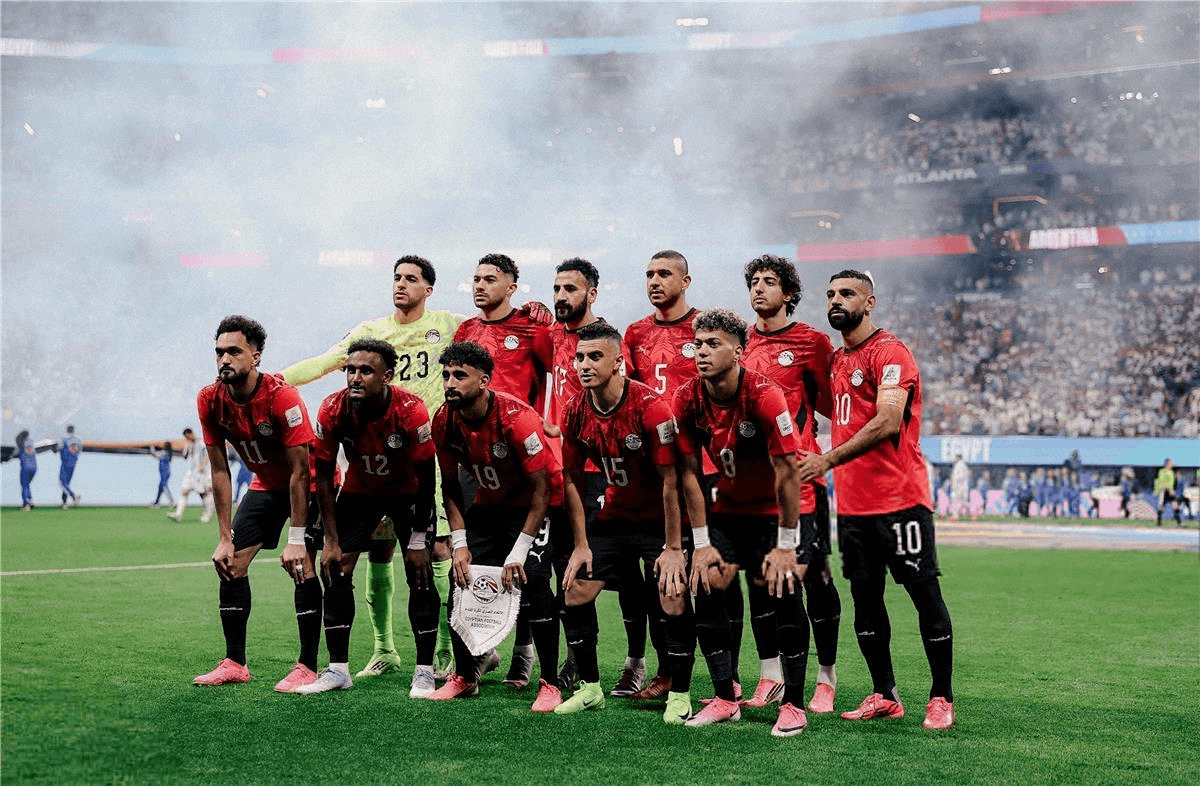
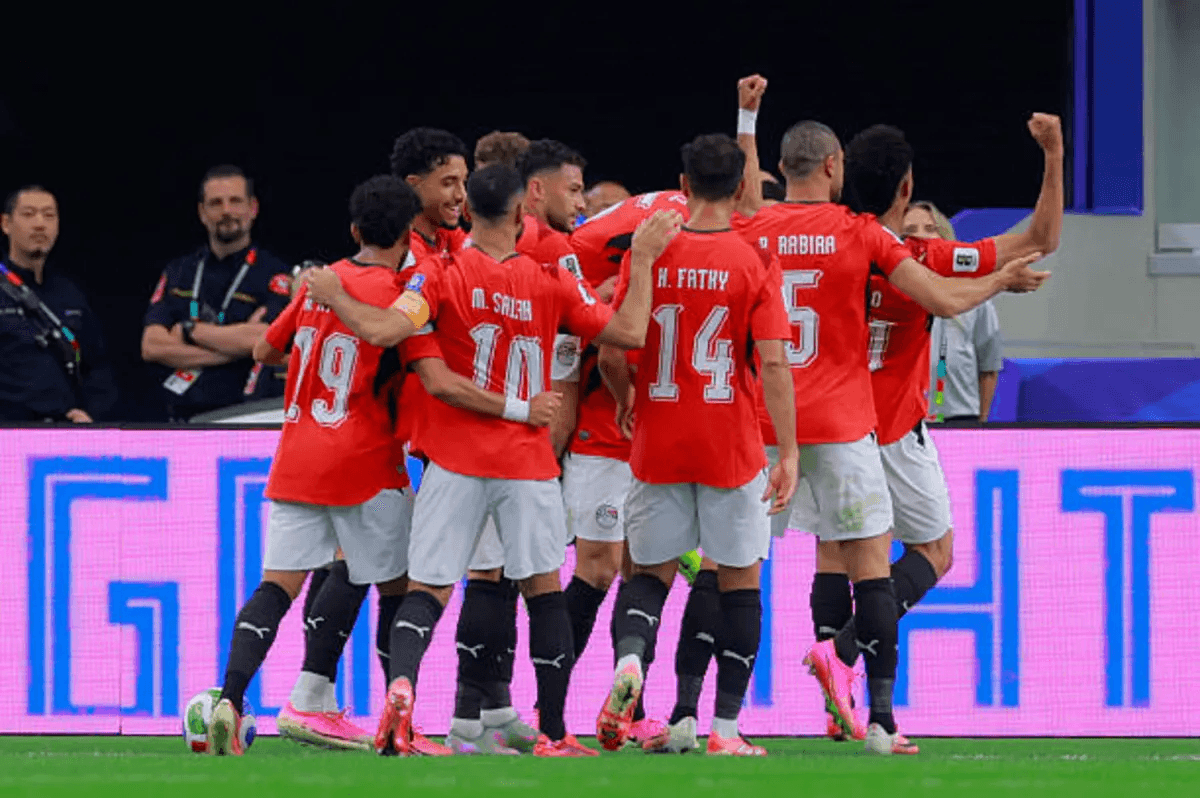
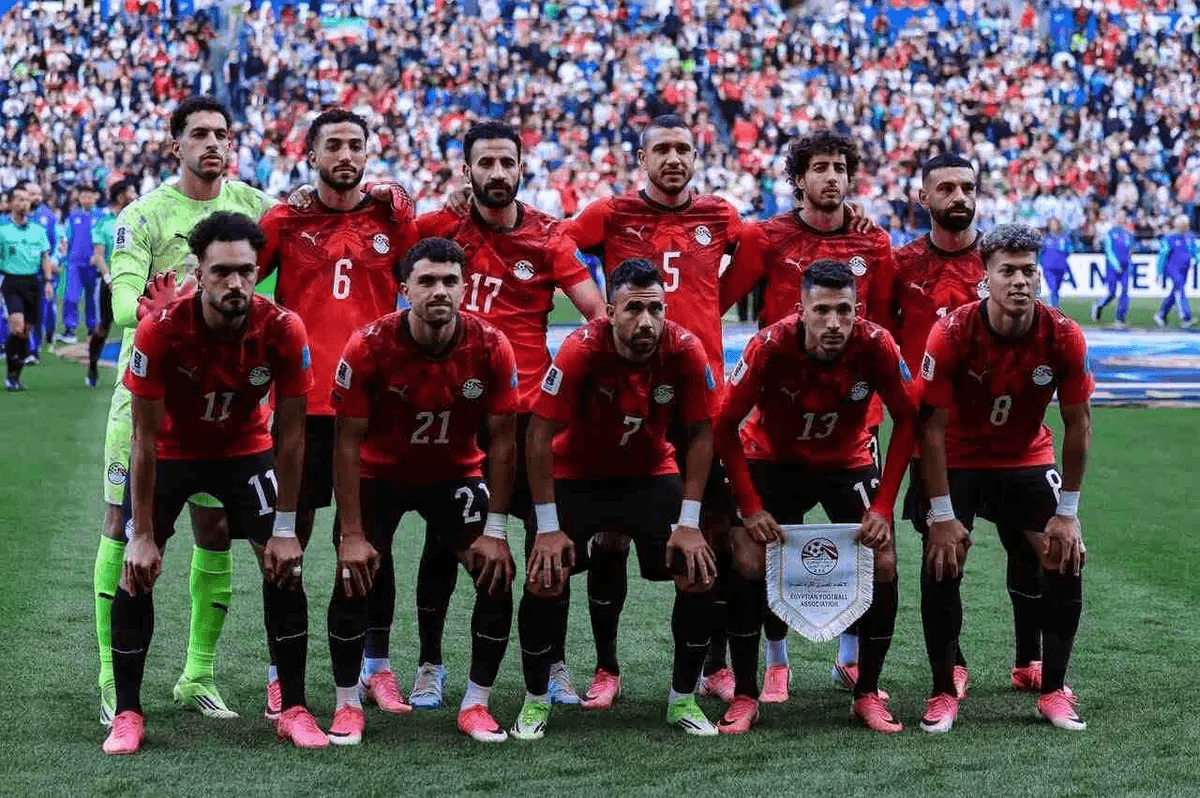
Those criticisms of the International Federation of Association Football and its president erupted after the Egypt-Argentina match, in which the national team was subjected to blatant injustice witnessed by the world, and many international and European media outlets described it as the biggest theft in World Cup history, pointing out that FIFA favors the big teams and works hard to increase their chances of advancing in the tournament.
It is worth noting that former FIFA president Joseph Blatter also began with speculations about his style of managing the International Federation of Association Football and doubts about his handling of some files, until the matter ended with the biggest institutional scandal in FIFA's history; will the same thing happen with Infantino in the near future?