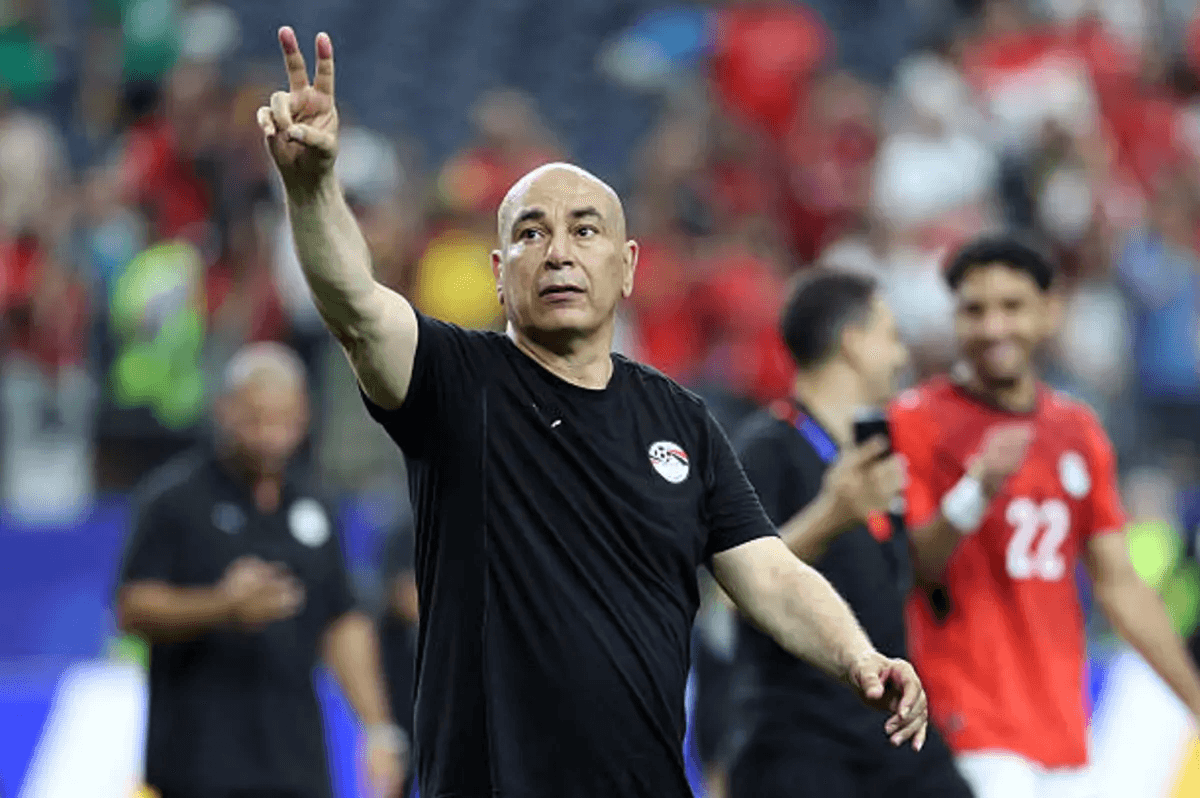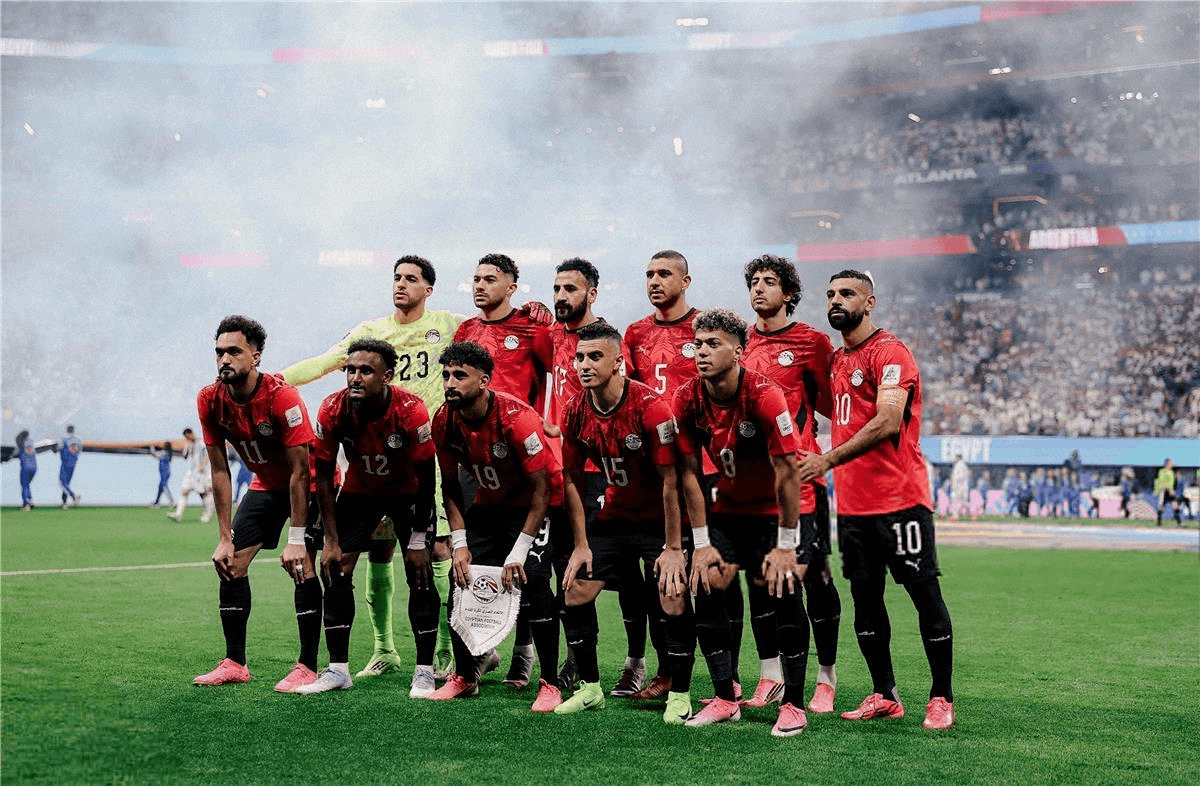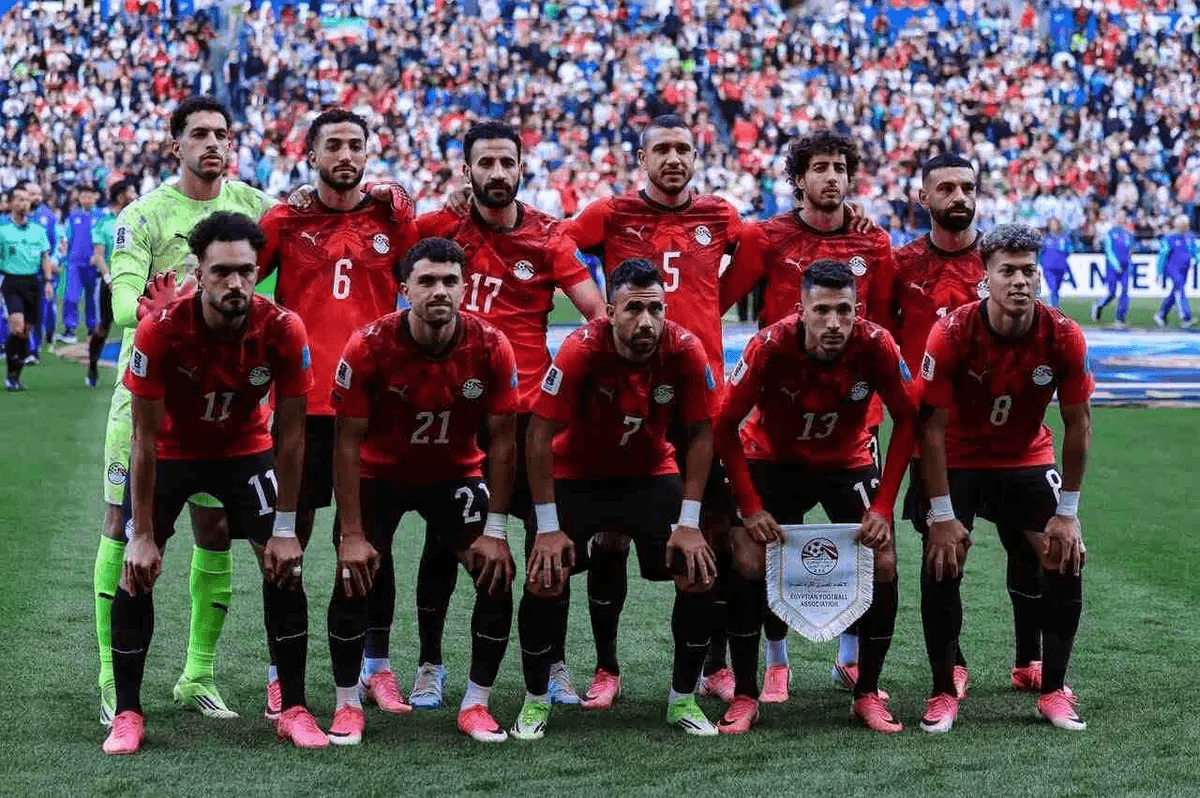





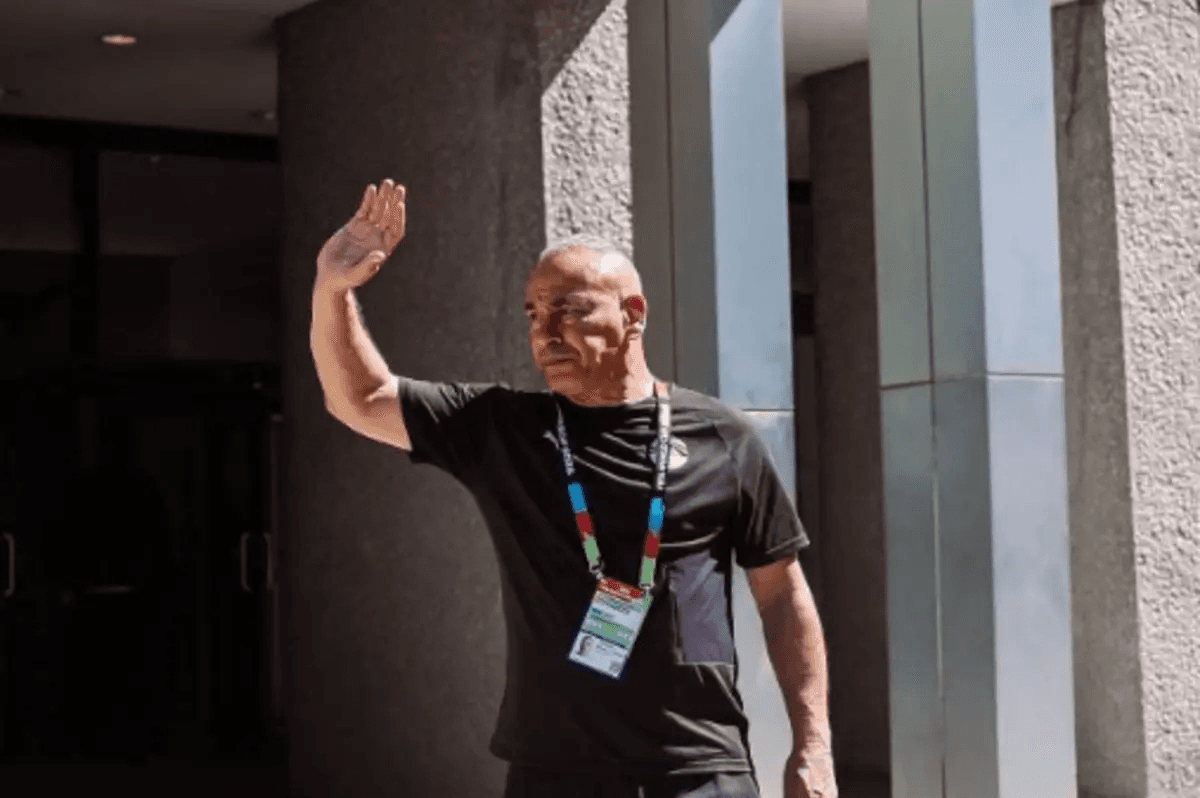
Ibrahim Hassan, director of the Egyptian national team, spoke about many files related to the Pharaohs' match against Argentina, which was held for the 2026 World Cup competitions, and after which the team exited the World Cup.
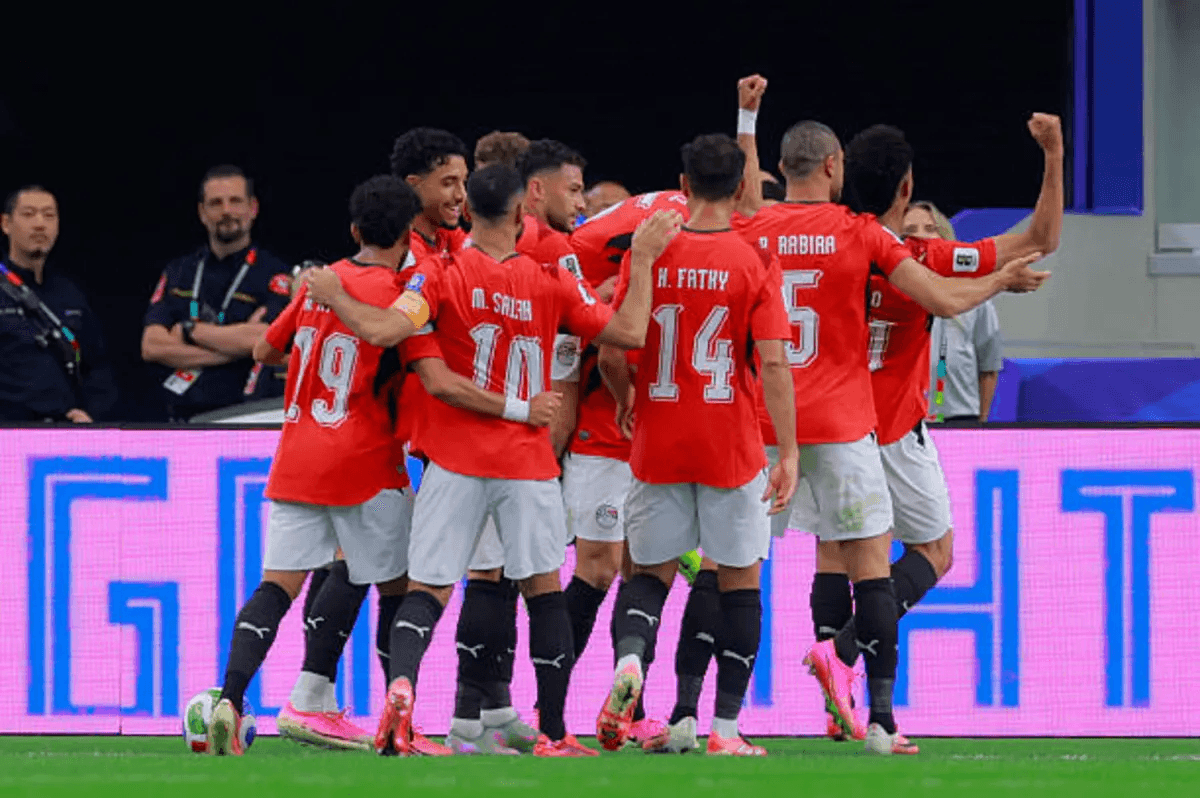
The Argentine national team defeated its Egyptian counterpart 3-2 in the match that brought the two teams together yesterday evening, Tuesday, at Atlanta Stadium in the United States of America, for the round of 16 of the 2026 World Cup.
The shock of Egypt's second goal
Ibrahim Hassan mentioned during statements to MBC Egypt channel that he felt as if a shock had struck FIFA officials from Egypt's second goal, which was canceled, which led to the subsequent refereeing decisions in the match.
Ibrahim Hassan said: "When the second goal that was canceled was scored, you feel as if there is a shock among everyone in the stadium, including FIFA officials, as if a decision had been made to cancel everything that was happening."
He added: "What the referee did was astonishing; he did not go to review the video assistant referee technology, and the video referees did not ask him to review any clip, which is an unnatural matter."
He continued: "I say to everyone: We are not looking for excuses, but at least the referee should have reviewed the clips.. He was supposed to watch Mohamed Salah's clip, our canceled goal, as well as Hamdi Fathy's clip; none of them were reviewed via video technology, and no one asked him to go back and watch those incidents."
He added: "Even the penalty kick that was awarded against us, the referee did not review it himself, and he did not receive any signal to review it, although it deserved reconsideration. He made his decision immediately, as if the matter was settled, without any doubt on his part or the video referees asking him to review the clip.. And after the score became 2-0 in our favor, it seemed as if someone refused for the match to continue in this way, as if they had decided that it should not end with this result."
He continued: "After that, the players inside the stadium felt immense pressure; pressure from the referee's decisions, and pressure from the atmosphere surrounding the match, until everyone felt that things were heading in one direction, which made the situation extremely difficult for the team."
A threat message to Hossam
Ibrahim Hassan explained that the French referee, François Letexier, threatened Hossam Hassan, the team's technical director, during the discussion that took place between them after Argentina's third goal, saying: "The clip of the altercation between Hossam Hassan and the French referee? The referee was threatening him.. The gesture that Hossam Hassan made, FIFA approved it as the official method of protest."
He added: "Hossam Hassan embarrassed the referee, and therefore he showed him a yellow card, which was a very strange matter and contradicted FIFA's instructions, and after that he returned to threaten him, as if he was looking for a justification to expel him, as it seemed he had decided to exert pressure on him."
He added: "The referee seemed to be in a conflict between adhering to FIFA's instructions and his desire to vent his anger, so he continued threatening Hossam even after warning him.. We were all standing, me and the technical staff members, and even Mohamed Salah was asking in astonishment: What happened? And why this threat? It was an extremely difficult situation."
He continued: "I do not know if the referee acted according to his personal conviction, or based on instructions, or to please a certain party, but what happened cannot be considered mere football.. We played a great match, scored goals, two goals were canceled for us, and there were many controversial incidents."
Regarding his feelings about the refereeing decisions: "I have no problem with defeat if it is deserved, but to lose in this way is what cannot be accepted.. The days and matches have proven that Egyptians are capable of achieving anything, and that they can compete with any national team in the world."
He pointed out: "For the first time, Hossam and I did not comprehend what happened after the match.. It was a real shock, we were not happy just with participating in the World Cup, but we came with great faith in God and in our ability to achieve an achievement and reach the farthest possible point."
He added: "I said before that our ambition ceiling was very high, and that was a fact, not just words, and that is why the shock was great, and as I said previously, there is no problem with losing if it comes honorably, but what cannot be accepted is having the joy taken away from you or being subjected to oppression in this way."
Balogun crisis
Ibrahim Hassan also touched on the crisis of Folarin Balogun, the American player, who participated in the match against Belgium, despite receiving a red card in the previous match against Bosnia and Herzegovina.
He said: "I do not know if the World Cup is being run according to the desires of certain parties, but one of the most prominent incidents that occurred was that situation; in which one of the players was sent off after a strong tackle, yet he was allowed to participate again."
He added: "As for us, we submitted a protest regarding the warning to player Mohamed Lashin, and we sent video clips confirming that he did not touch his opponent's foot at all, and that the second warning was undeserved, especially since he is an important player for the team, and we asked FIFA to reconsider the decision, but the response was that decisions related to warnings and suspensions are not reversed."
He continued: "In contrast, we saw other cases that were handled differently, to the extent that prominent political figures intervened by talking about the eligibility of some players to participate, and indeed one of them returned to participate immediately. So I wonder: Why was our player's case not considered in the same way?"
A message to the campaign owners
Ibrahim Hassan directed a message to those campaigning against the Egyptian national team, saying: "I say to everyone who attacks his country's national team, enough, enough of what is happening, has our national team become fighting from outside and inside at the same time? Everyone should review themselves."
He added: "It is unacceptable for someone to announce their bias towards another national team in a match against their country's national team, or to seek to stir controversy only to achieve fame or top social media sites; it is not permissible for the pursuit of 'trending' or personal gains to be a reason for insulting the national team or its symbols."
He pointed out: "If you have an opinion or technical criticism, present it politely and respectfully, and from inside the studios or media platforms, but without offending or insulting others, or exploiting that to achieve material gains or increase in fame."
He added: "There are Egyptians who spent their money and traveled to support the national team, just to watch the players and stand behind them in the stands, while others sit in their places and continue attacking the national team, and even wish for its loss. Fear God regarding this country, for it deserves your support and prayers, not gloating or wishing for failure."
Ibrahim Hassan concluded his statements by saying: "It is enough to look at the people of Gaza, who live in harsh conditions, inside tents and on the ground, and yet they raise the Egyptian flag and cheer for its national team with all sincerity, while some sons of the homeland stand against our national team.. This is something difficult to accept."