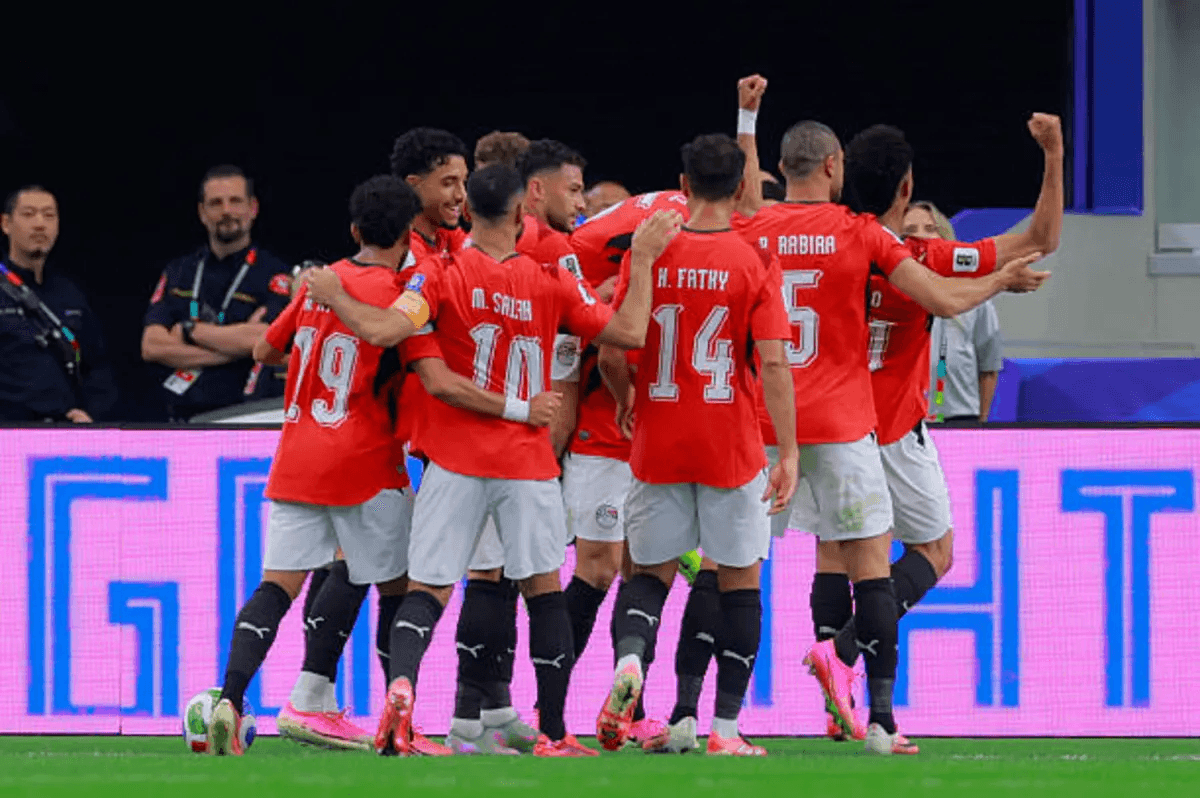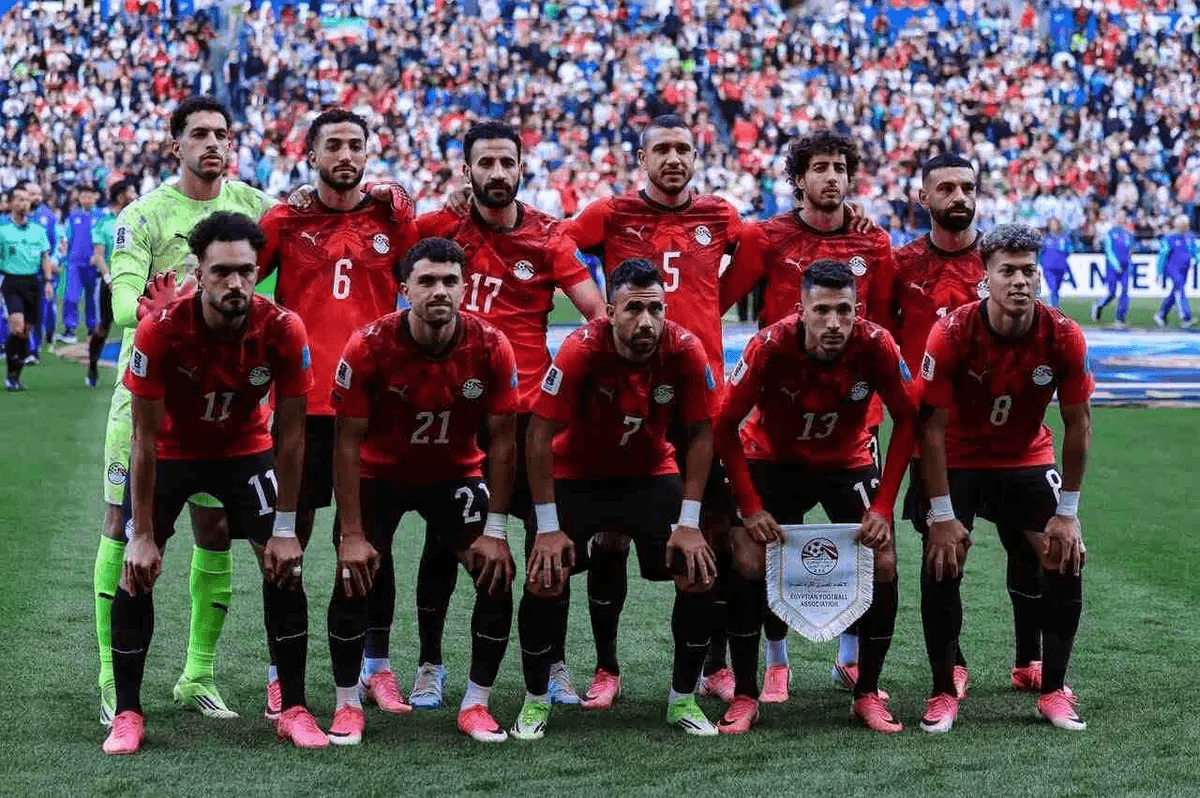


FIFA announced the validity of England's first goal against Norway in the quarter-finals of the 2026 World Cup.
This comes after the Norwegian players objected to the validity of the goal on the grounds that the ball touched "one of the camera wires" before reaching the English player.
Jude Bellingham equalized in the 45+2 minute of the first half.
FIFA explained in its statement: "Before England’s goal in minute 45+2 against Norway, the sensor in the Connected Ball showed no peak in the 'heartbeat of the ball' when in the air, and therefore no evidence that the ball touched the overhead wire and changed the movement of the ball".
Before England’s goal in minute 45+2 against Norway, the sensor in the Connected Ball showed no peak in the 'heartbeat of the ball' when in the air, and therefore no evidence that the ball touched the overhead wire and changed the movement of the ball. pic.twitter.com/gYf9ukfveT@fifamedia
FIFA had previously revealed through its website in the discoveries and technology section about the "Connected Ball technology".
What is the Connected Ball technology?
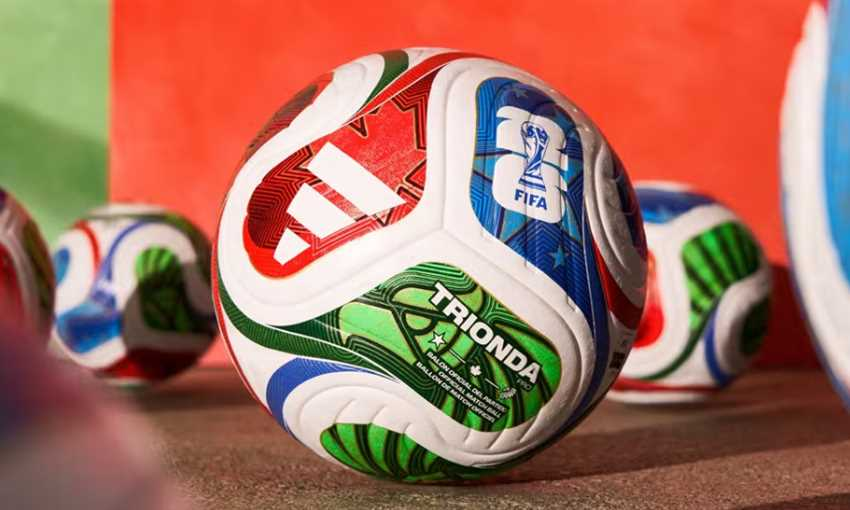
Connected Ball technology is an innovative system introduced by FIFA in collaboration with Adidas, based on integrating advanced sensors inside the match ball to provide accurate and immediate data about its movement and position.
This technology enhances decision-making processes, particularly for video assistant referees, by providing highly detailed data on the ball's dynamics, such as the precise moment of contact, which is important in determining offside, in addition to information about its speed and trajectory.
This technology plays a pivotal role in semi-automated offside decisions and other crucial situations in matches, ensuring greater accuracy and fairness in modern football, and it also enhances the fans' experience by providing a deeper understanding of shooting mechanics.

What problem did the technology come to address?
One of the main challenges during the development of semi-automated offside technology was ensuring the selection of the correct ball contact point in the decisive pass within a potential offside situation.
This process takes a relatively long time, and relying on video alone is hindered by the number of available frames, which is often 50 frames per second.
Therefore, the need emerged for technology that enhances accuracy and provides highly reliable automated information about the moment of ball contact.
An additional benefit quickly emerged, as this technology also allows confirmation of any ball touch during play, including potential handball situations that were previously difficult to resolve using video alone.
How does the technology work?
A small inertial measurement unit sensor is integrated inside the ball, typically operating at a frequency of approximately 500 Hz.
This sensor captures data 500 times per second, tracking the ball's acceleration and precise movements in three dimensions.
This data is used to calculate the moment of contact, then this information is transmitted in real time to the video operations room, where it is integrated with player tracking data from the stadium cameras to assist the video assistant referees.
This technology supports semi-automated offside systems by precisely determining the ball contact point, i.e., the exact moment the player touches the ball, enabling faster and more accurate offside decisions.
It also helps analyze other situations, such as handballs or penalties, by providing detailed data on contacts.
How was this technology tested?
A series of on-field tests were conducted between 2020 and 2022 to ensure the accuracy of the Connected Ball data and the smooth integration with video technology systems.
Now, before the start of any FIFA tournament, FIFA's innovation team conducts a set of rigorous tests and protocols with all technology providers to ensure that the Connected Ball operates in the best possible way and contributes to more accurate refereeing decisions during matches.
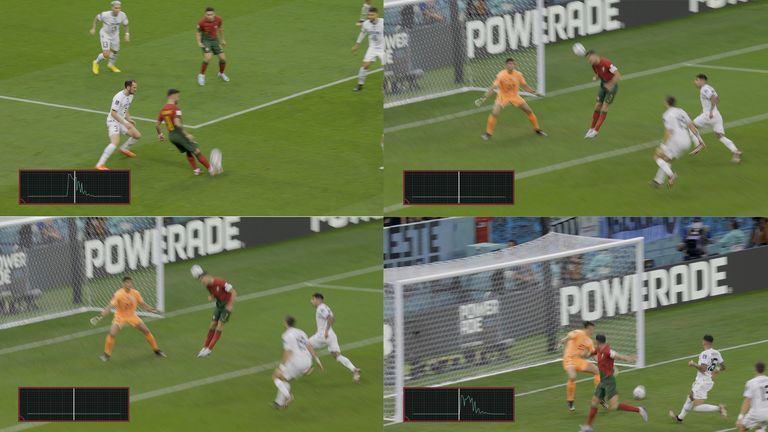
The same technology caused Cristiano Ronaldo's goal against Uruguay in 2022 to be awarded to Bruno Fernandes on the grounds that he did not touch the ball.
It also appeared in 2026 in Mattias Svanberg's goal for Sweden against Tunisia in the group stage, to confirm whether Alexander Isak touched the ball or not.