


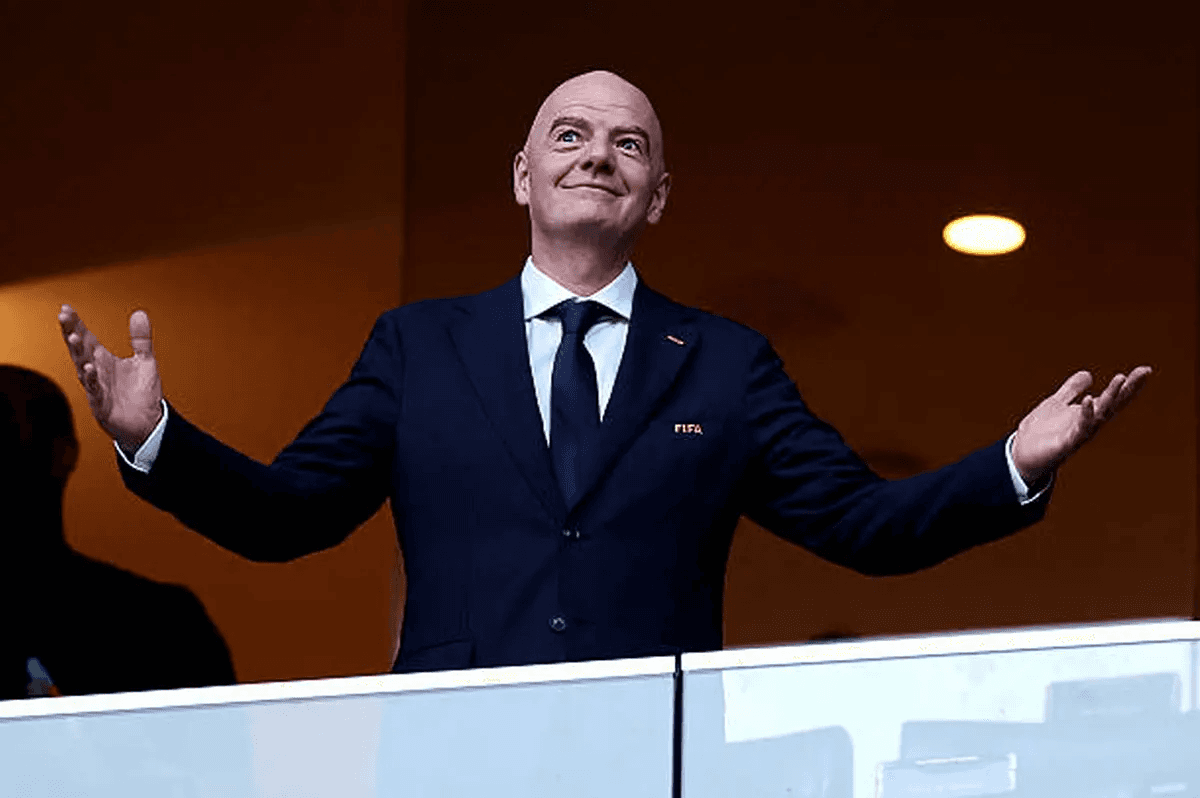
Swiss-Italian Gianni Infantino, president of the International Federation of Association Football "FIFA", tops the global sports scene in the past few hours, after finding himself at the heart of a new wave of criticisms and controversy accompanying the 2026 World Cup tournament.
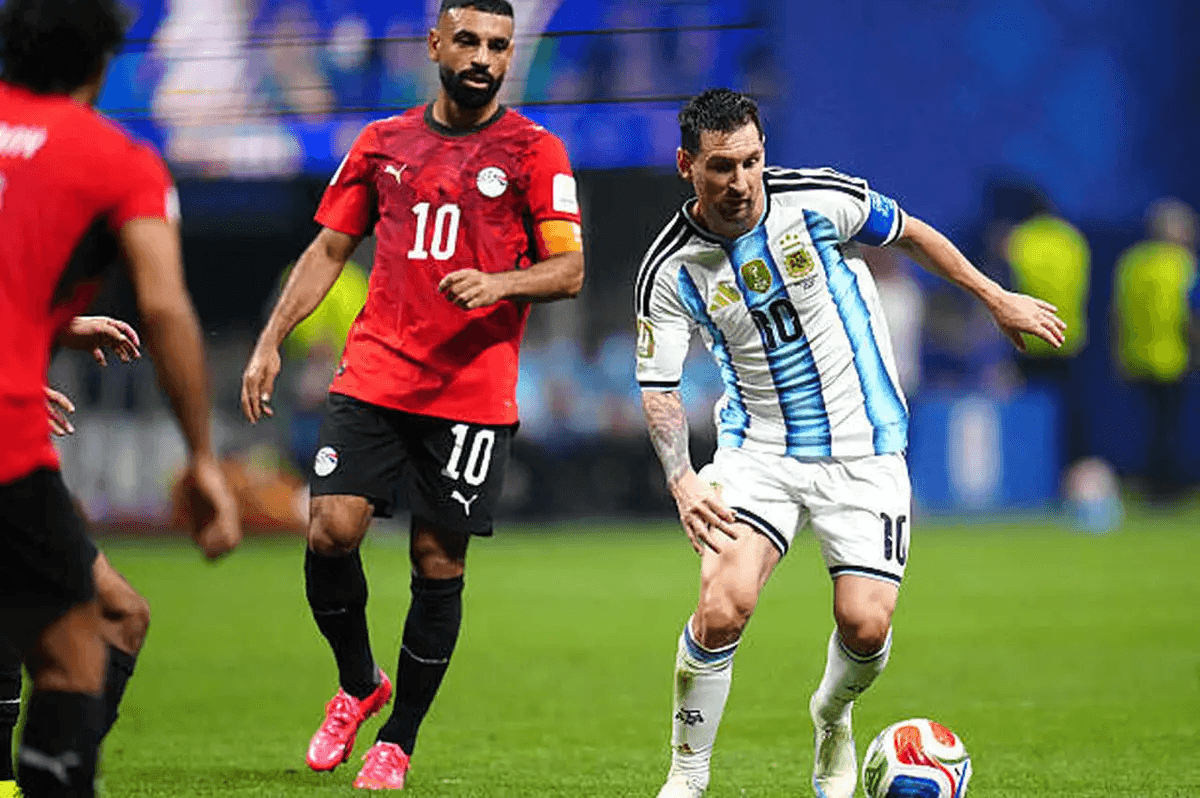
Infantino's name has once again topped the headlines as the number one man in world football, amid calls for an investigation into some FIFA decisions and criticisms of the way the World Cup is being managed, following the crisis of the cancellation of the penalty against American striker Folarin Balogun, which sparked accusations of political interference, to the widespread objections to the refereeing decisions in the match between Egypt and Argentina in the round of 16.
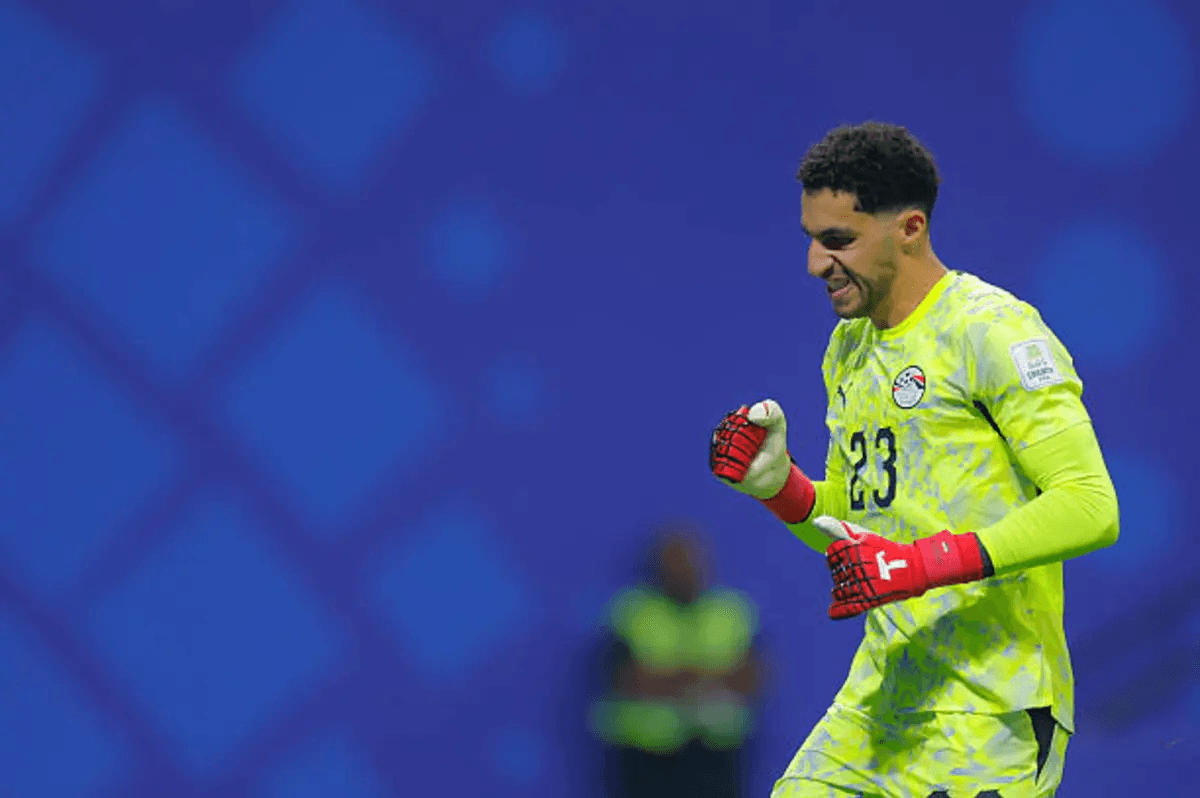
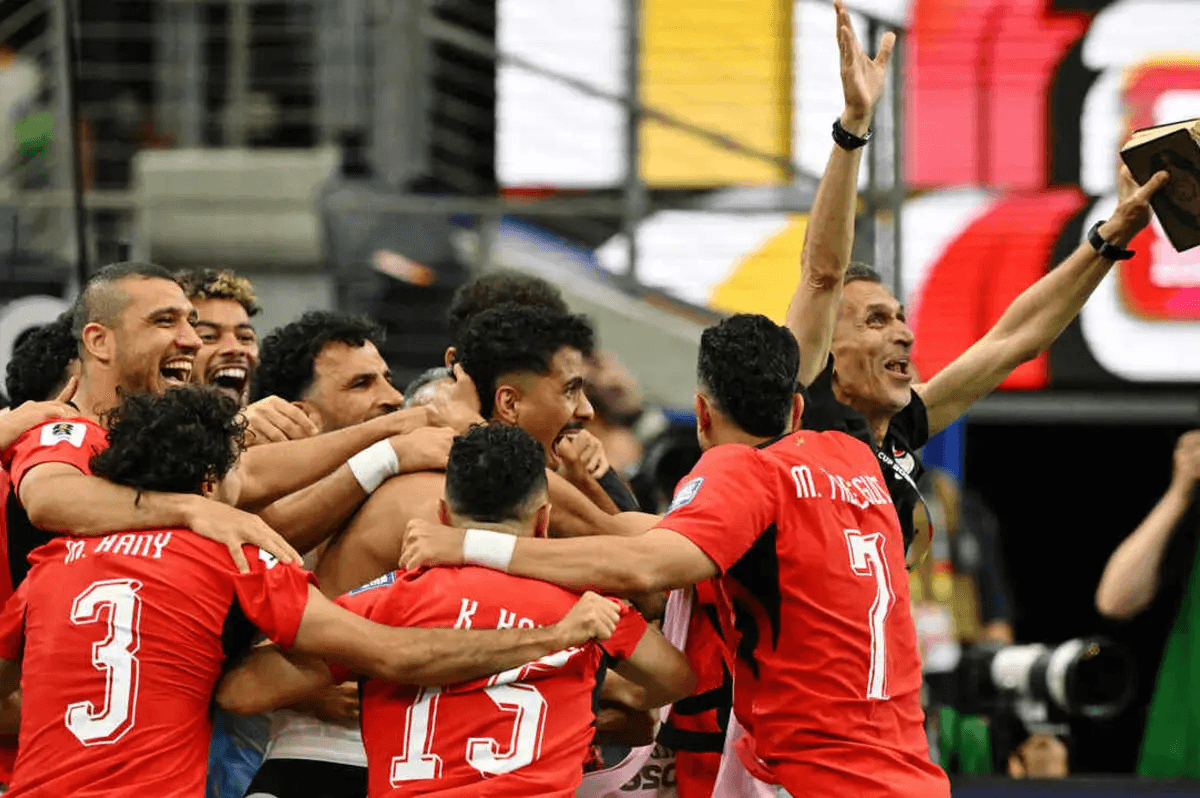
The Egyptian national team suffered clear injustice against Argentina, in the match held between the two teams, as part of the round of 16 of the World Cup, which ended with the whistle of French referee François Letexier, granting Lionel Messi's teammates the qualification card to the next stage.
We review Gianni Infantino's career before assuming the presidency of the International Federation of Association Football "FIFA".
From Law to Football Management
Gianni Infantino was born in the Swiss city of Brig in 1970 to an Italian family, and studied law at the University of Fribourg before turning to the field of sports law.
He began his professional career as Secretary General of the International Centre for Sports Studies (CIES) at the University of Neuchâtel, and also worked as a consultant for a number of football federations and leagues in Italy, Spain and Switzerland, a period during which he gained extensive experience in sports regulations and legal management.
The beginning of his career with UEFA
In August 2000, Infantino joined the Union of European Football Associations "UEFA", where he initially worked on the legal and commercial files of the union, before being appointed in 2004 as Director of the Legal Department and Club Licensing System.
In this position, he also managed relations with the European Union and the Council of Europe, and contributed to developing policies to combat match-fixing and racism within European football.
Infantino played a pivotal role in developing the commercial aspect of UEFA competitions, participating in: managing the legal aspects of commercial contracts, supervising television broadcasting and sponsorship rights, developing the club licensing system that raised financial and administrative standards, supporting European federations with commercial programs that helped increase their revenues, and supervising the development of UEFA competitions in a way that enhances their marketing value.
Infantino rose through the ranks within UEFA, holding the position of Deputy Secretary General before becoming Secretary General in 2009, the highest executive position for him in the union, during which he oversaw the management of the UEFA Champions League and the Europa League and contributed to the implementation of the Financial Fair Play rules, and was also responsible for the administrative and organizational aspects of the European competitions.
The road to the FIFA presidency
After the suspension of UEFA President Michel Platini at the time in late 2015, the European Union decided to support Infantino as a candidate for the presidency of the International Federation of Association Football.
His election campaign included all the slogans that the football community was waiting for: transparency, good governance, and support for reforms that were considered a lifeline to save FIFA from the corruption scandals that surrounded it, but the most prominent element in his program was money; as he placed financial promises at the forefront of his election program, he pledged a significant increase in the financial support allocated to national federations, and devoted two full pages of his program to explaining the details of these promises.
Infantino promised each of the 209 member national federations to receive five million dollars over four years, and also pledged to grant each of the six continental federations, including UEFA, an amount of 40 million dollars, in addition to four million dollars to support regional tournaments for the youth sector, as well as allocating one million dollars to cover the travel expenses of delegates, a point that was of particular importance to the officials gathered in Zurich to vote in the elections.
Other promises he made included granting each national federation, whether representing a small or large country, an equal vote in FIFA elections.
It was no coincidence that he pointed out that his election campaign began in Cairo and ended in Cape Town, in a clear message targeting the African continent, which includes 54 national federations, many of which rely on FIFA investments, and whose votes often represent the decisive factor in the FIFA presidential elections.
This program contributed to Infantino's victory in the FIFA presidency in February 2016, beginning a new chapter in his career that remains surrounded by controversy and criticism to this day.