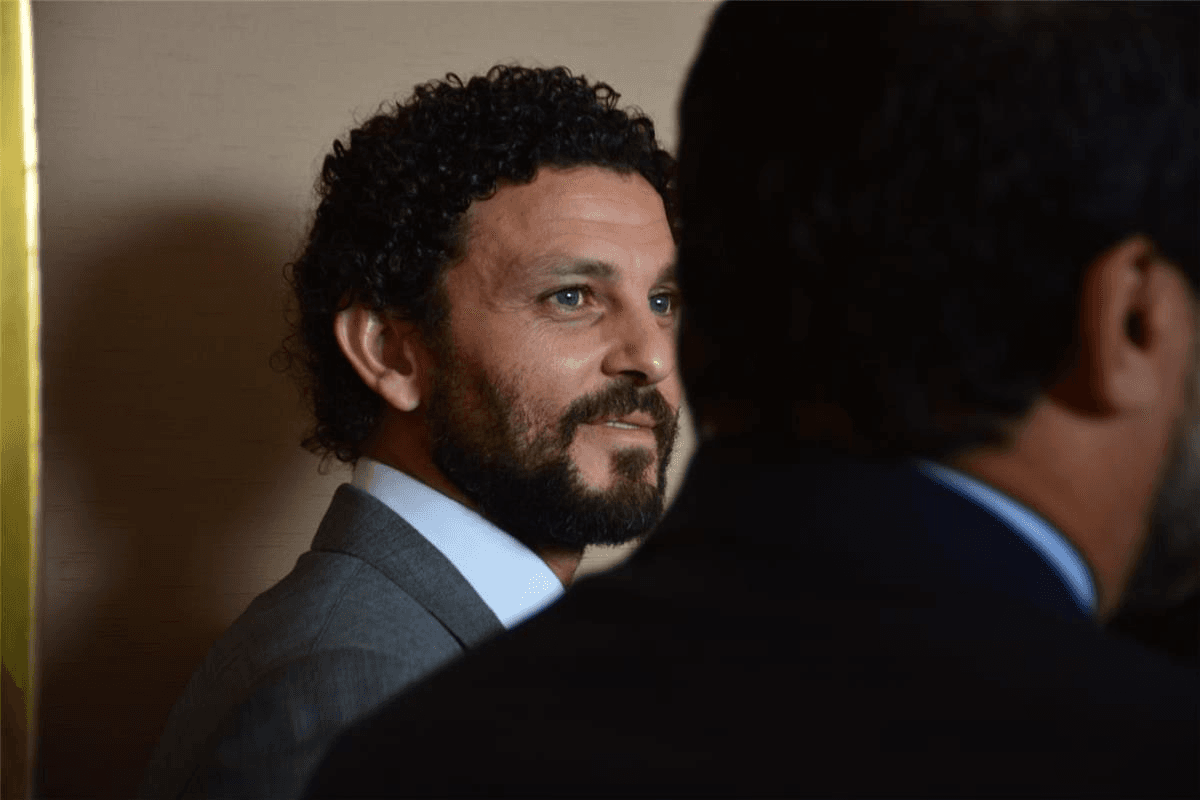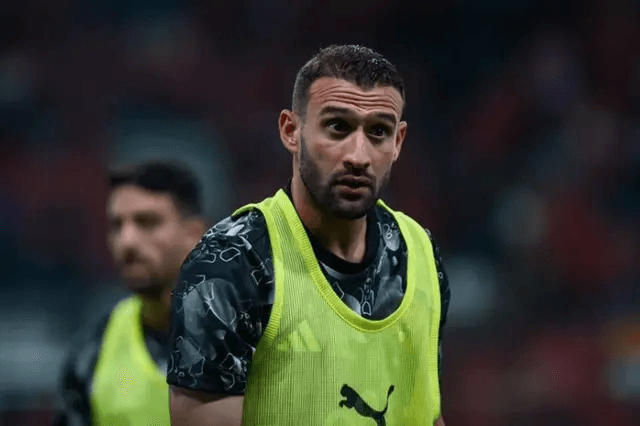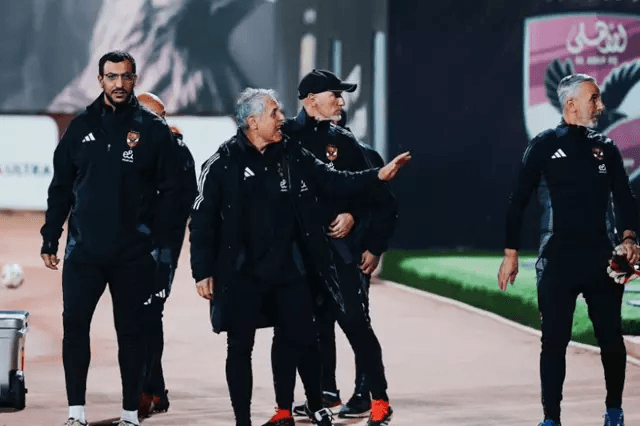
The International Federation of Association Football (FIFA) has revealed the reasoning behind the decisions issued by the Players' Status Chamber concerning the three assistants to Marcel Koller, the former Swiss head coach of Al Ahly, which were issued between May and June last year.
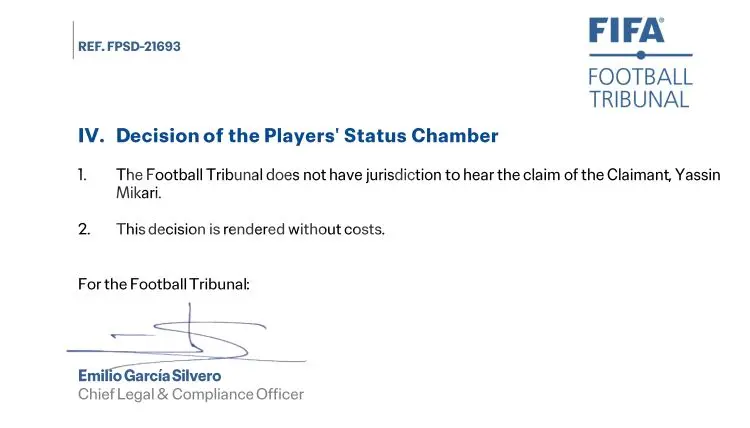
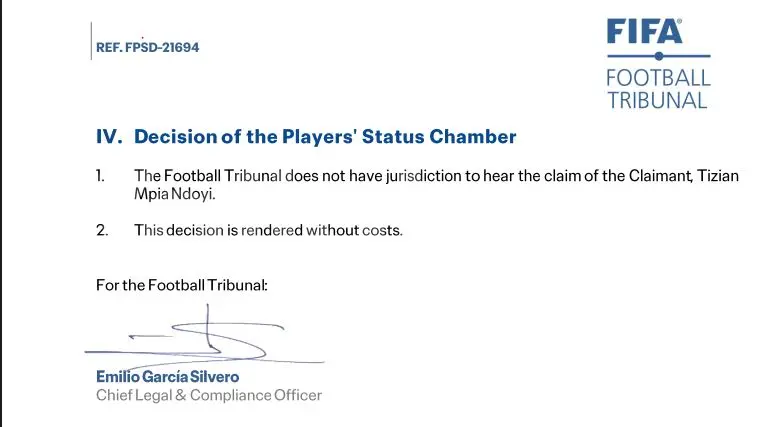
The Players' Status Chamber ruled that only Harald Gambrli had the right to file a complaint, while it declared itself incompetent regarding the complaints of Yassine Mikari and Tizian Mbaya Ndoye.
A source within Al Ahly Club confirmed that an appeal was filed against the decision issued regarding Harald Gambrli within the legal deadline, and that it is still under consideration until now.
The case of Harald Gambrli
Gambrli signed a new contract with Al Ahly in August 2023, extending until June 30, 2026, under which he receives an annual salary of €390,000, equivalent to €32,500 per month.
On April 28, 2025, Al Ahly notified him of his dismissal from duties effective April 26, as part of a comprehensive change of the technical and administrative staff. However, the two parties did not sign an agreement to terminate the contract, nor did either party provide official notice of its termination.
Gambrli demanded his salaries from May 2025 to March 2026, along with the Egyptian League winning bonus, the third-place bonus in the Intercontinental Cup, and allowances for housing, car, driver, and flight tickets.
Al Ahly argued that the contract is subject to Egyptian law, and that it is not permissible to pay a salary to a person who does not perform work. It also affirmed that the requested amounts should be considered compensation rather than overdue salaries, and that Gambrli did not seek alternative employment to mitigate his losses.
The Players' Status Chamber rejected Al Ahly's defense because the contract explicitly stipulates the continued payment of the coach's salary if the club decides to dismiss him from his duties and remove him from its premises. It affirmed that Al Ahly used this clause to remove Gambrli and cannot subsequently deny its validity to avoid its financial consequences.
FIFA also considered that the contract remained valid due to the lack of termination by either party; therefore, Gambrli's entitlement to his salary continued despite his not performing work.
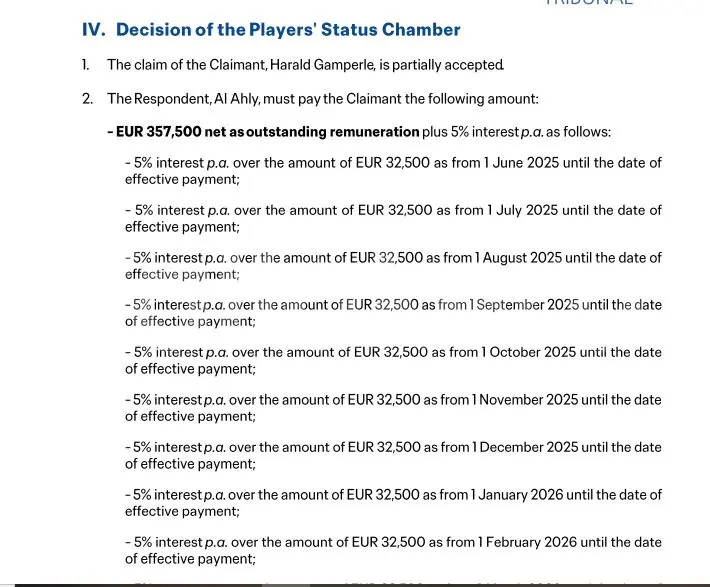
FIFA ordered Al Ahly to pay a net amount of €357,500, representing 11 monthly salaries for the period from May 2025 to March 2026, plus an annual interest rate of 5% on each salary from its due date.
FIFA rejected the remaining requests, including allowances for housing, car, and flight tickets, because the contracts did not specify fixed monetary values for these benefits or a mechanism for recovering their costs. It also rejected the bonuses for the League and the Intercontinental Cup due to insufficient evidence proving their entitlement.
FIFA granted Al Ahly a grace period of 45 days from the date of notification of the ruling to pay the amount and interest. In the event of non-payment and Gambrli's request for enforcement of the penalty, Al Ahly will be banned from registering new players locally and internationally for up to three consecutive registration periods, with the ban being lifted immediately upon payment of the dues.
The case of Yassine Mikari
Mikari's old contract described him as a "video analyst," while the new contract described him as an "assistant coach" with a monthly salary of €20,000. After his dismissal from duties, he demanded his salaries from May 2025 to March 2026, totaling €220,000, along with bonuses for the League and the Intercontinental Cup, and allowances for housing and car.
Al Ahly requested the rejection of the case due to FIFA's lack of jurisdiction, affirming that Mikari's actual job was video and performance analysis, not a football coaching position according to the definition in the Regulations on the Status and Transfer of Players.
Mikari insisted that the contract describes him as an assistant coach and that he participated in training sessions and technical preparation. He also provided a UEFA A license, affirming that the nature of his work falls within coaching roles.
However, FIFA decided that the title in the contract or holding a coaching license alone are not sufficient, and that the decisive factor is the nature of the work the person actually performed. Mikari did not provide sufficient evidence proving his participation in training players, selecting them, or making technical and tactical decisions.
FIFA also relied on the fact that the Egyptian Football Association registered him as a "performance analyst," and on a farewell post describing his role as a match analyst. Therefore, it concluded that he is not a coach within the specific meaning defined in FIFA regulations.
Consequently, the Players' Status Chamber decided that it lacked jurisdiction to hear the case. Thus, FIFA did not reject his financial claims on the merits, nor did it determine that Al Ahly owed him nothing; it merely refrained from adjudicating the dispute due to lack of jurisdiction.
The case of Tizian Mbaya Ndoye
Mbaya Ndoye's case closely resembles Mikari's case. His old contract described him as a "fitness coach," while the new contract described him as an "assistant coach," and he received a monthly salary of €25,000.
Mbaya Ndoye demanded the remaining portion of his April 2025 salary, his salaries from May 2025 to March 2026, along with bonuses for the League and the Intercontinental Cup, and allowances for housing and car. His claim for salaries alone amounted to €276,960, including €1,960 remaining from the April salary.
Al Ahly argued that his actual work was in physical preparation and load planning, not technical coaching, and therefore it does not fall within the jurisdiction of FIFA's Players' Status Chamber.
Mbaya Ndoye affirmed that he was an assistant coach participating in training sessions and the physical and technical preparation of players. He also provided a UEFA C coaching diploma. However, FIFA found that he did not submit documents such as training schedules, match reports, or certificates proving that he performed essential technical coaching tasks.
The Egyptian Football Association also stated that Mbaya Ndoye was registered with Al Ahly as a Training Load Planner. FIFA considered that jobs related to physical preparation, load planning, and sports science are not exclusive to football, as they exist in other sports as well.
Accordingly, FIFA decided that it lacked jurisdiction to hear the claim, without examining whether the amounts requested by Mbaya Ndoye were actually due.
What is the link between the three cases?
The trio was part of the same technical staff, signed similar contracts with Al Ahly, and received the same notice of dismissal from duties effective April 26, 2025. Al Ahly stopped paying their salaries after the April salary, while their contracts - according to their position - remained valid until June 2026.
The three contracts included the same clause, which allows Al Ahly to remove a staff member from work but obligates it, in return, to continue paying his salary throughout the contract duration. The three claimants relied on this clause to demand their overdue salaries.
Al Ahly presented almost identical defenses in the three cases, affirming that salaries are linked to the performance of work, that the contracts were not terminated, and that the claimants refused settlement proposals and amicable termination of the relationship.
But the decisive difference lay in FIFA's jurisdiction. Gambrli was an assistant coach in the clear legal sense, so FIFA examined the merits of his claim and applied the salary continuation clause in his favor. As for Mikari and Mbaya Ndoye, FIFA determined that their actual jobs did not fall within the definition of "coach," so it stopped at the issue of jurisdiction and did not examine the rest of the dispute.
Legal Conclusion
The only enforceable financial obligation issued by a FIFA ruling in the three cases is €357,500 plus interest in favor of Gambrli. Mikari's and Mbaya Ndoye's claims cannot be combined with this amount as adjudicated debts, because FIFA did not rule on their entitlement.
Nevertheless, the other two decisions do not mean the forfeiture of their dues. The contracts stipulate that if FIFA lacks jurisdiction, the dispute shall be referred to the Court of Arbitration for Sport (CAS). Additionally, appeals can be filed against all three rulings before CAS within 21 days of receiving the decision.
Gambrli's ruling may serve as important support for Mikari and Mbaya Ndoye before any body examining the merits of their disputes, as it confirmed that the decision to dismiss from duties does not terminate the contract, and that Al Ahly remains obligated to pay salaries according to the contractual clause. However, it remains persuasive authority rather than binding precedent in their cases.