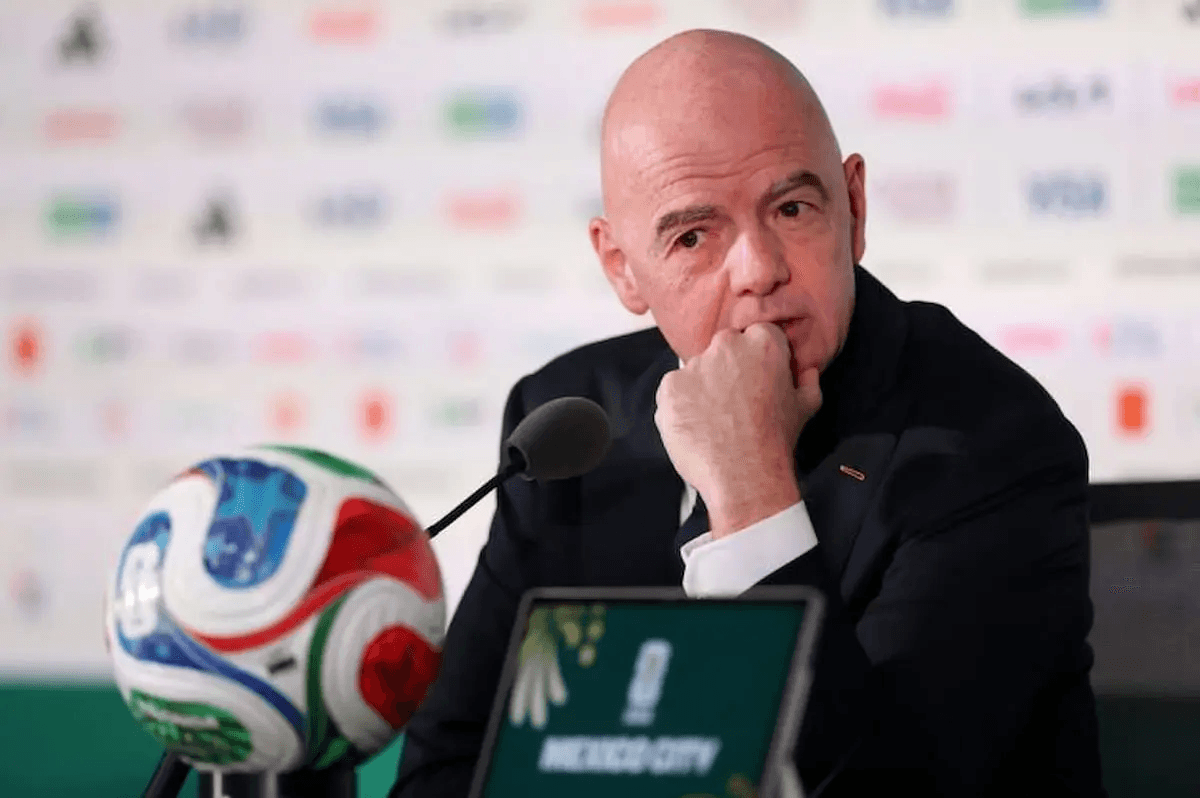








UEFA is closely watching the FIFA presidential election, scheduled to take place on March 18, 2027, in Rabat, Morocco, amid the European body's desire to support a candidate who can challenge Gianni Infantino.
According to the newspaper Mundo Deportivo, UEFA is closely monitoring the developments surrounding the election, as the deadline for submitting candidatures is November 18 next.
UEFA President Alexander Ceferin, one of Infantino's most prominent opponents, previously announced that he did not wish to run for the FIFA presidency.
Nevertheless, UEFA intends to support a candidate competing against Infantino with the aim of bringing about changes in FIFA's structure, but it does not want to put forward a European candidate so that the election does not turn into a direct confrontation between FIFA and UEFA, causing other confederations to distance themselves from the scene.
UEFA is currently monitoring the possibility of a candidacy by Canadian Victor Montagliani, president of the Confederation of North, Central America and Caribbean Association Football (CONCACAF) and FIFA vice-president since 2016.
Montagliani is 60 years old, born in Vancouver, Canada, to parents of Italian descent, and has a good knowledge of European football.
According to the report, UEFA prefers to break the dominance of European candidates for the FIFA presidency, especially since the Swiss Joseph Blatter held the position between 1998 and 2016, before being succeeded by Infantino, who won the election in 2016 and was re-elected in 2023.
Brazilian Joao Havelange was the last non-European president of FIFA, having held the position from 1974 to 1998.
UEFA awaits a better understanding of Montagliani's project before making a final decision on whether to support him, and if his program does not align with UEFA's vision, a European candidate may be sought as a last resort.
In a separate context, UEFA is also monitoring the rivalry over hosting the 2030 World Cup final, between Spain and Morocco.
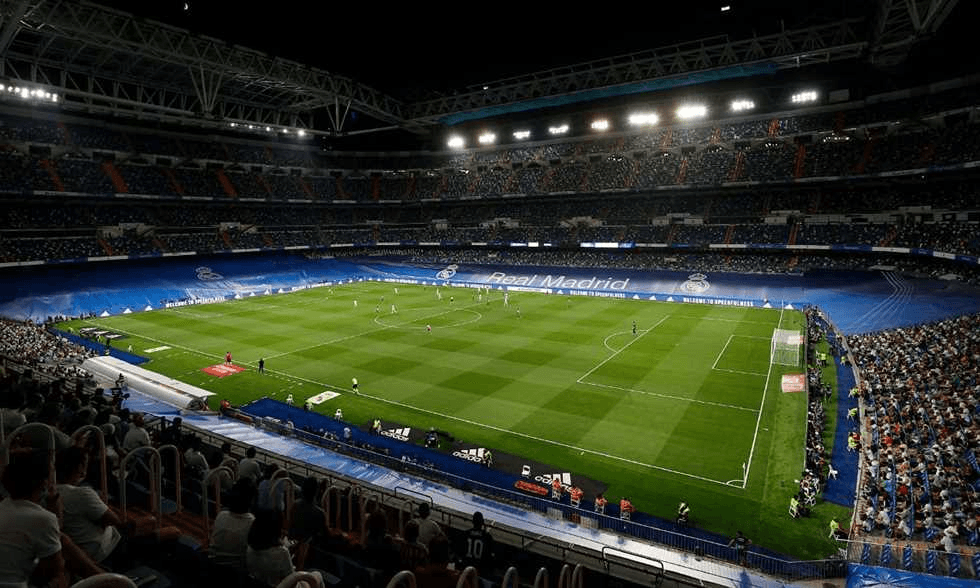
Spain has Santiago Bernabeu, with a capacity of approximately 80,000 spectators, and Spotify Camp Nou, with a capacity of 104,600 spectators, as potential options, while Morocco features the Hassan II Grand Stadium in Casablanca, which has a capacity of 115,000 spectators.
UEFA believes that holding the final in Spain would be logical, especially since the 2030 World Cup hosting bid began as a European project led by Spain and Portugal before Morocco later joined the bid.
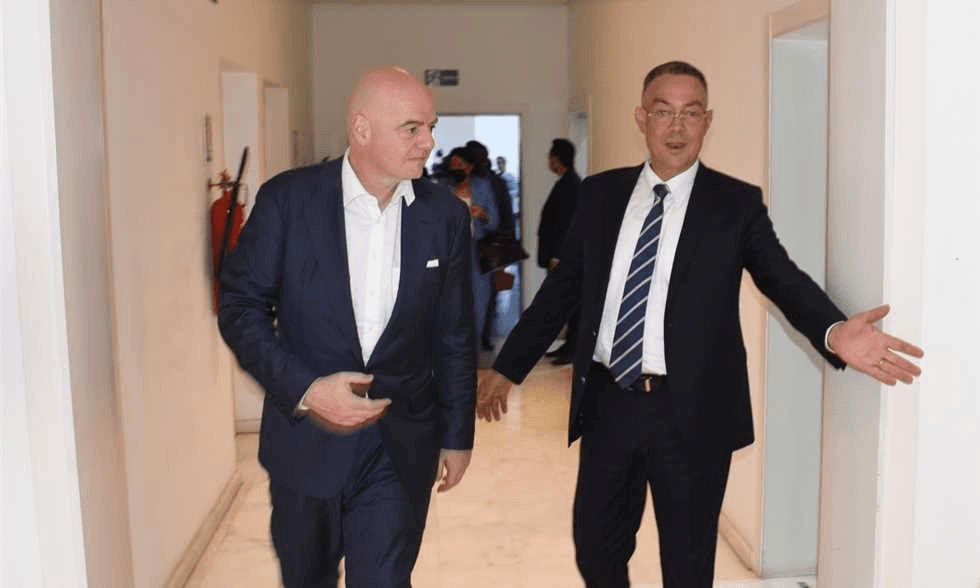
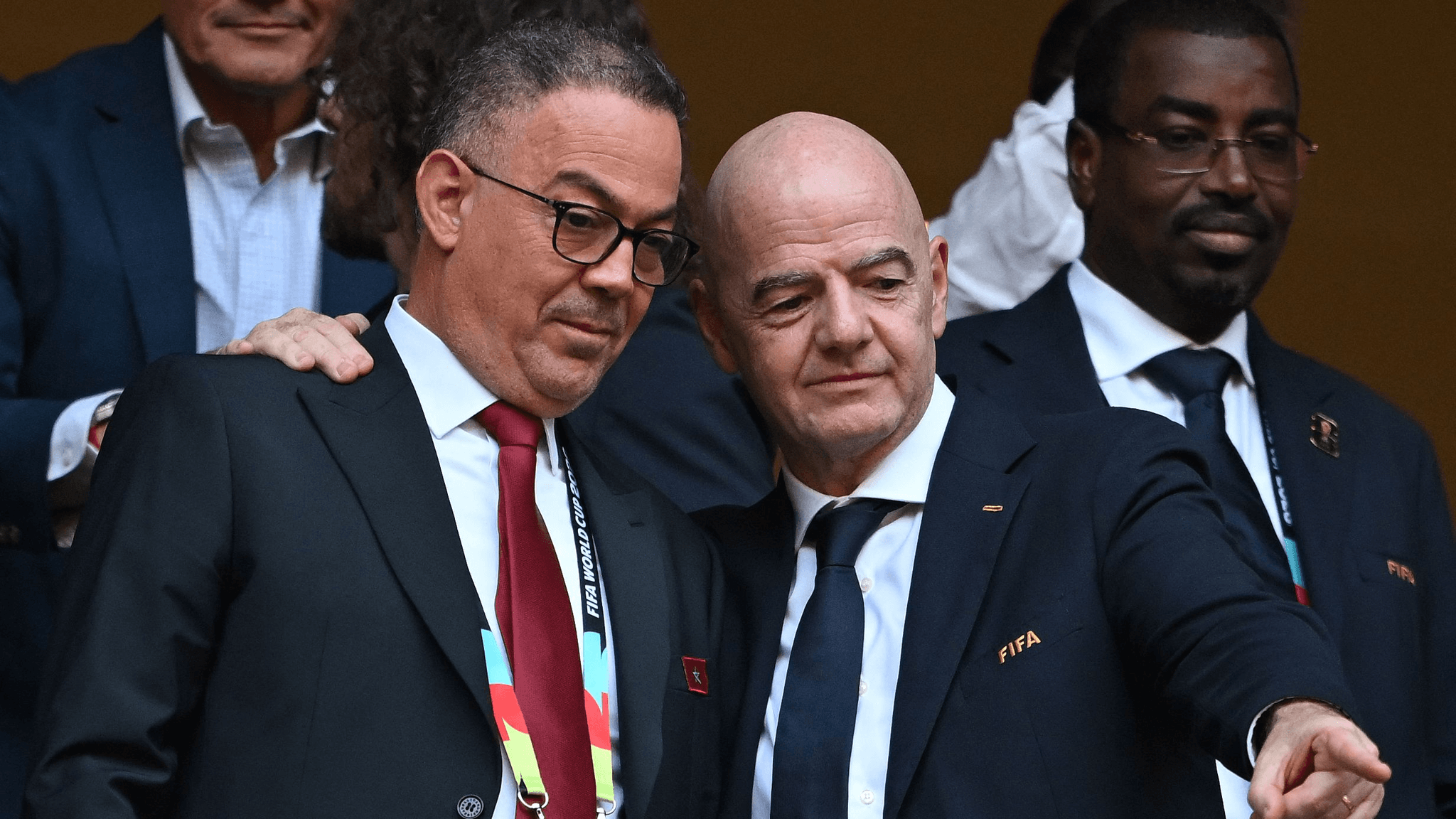
UEFA fears that the final may move to Morocco due to political pressures or Infantino's wishes, given the increasing closeness between the FIFA president and officials in Morocco.