



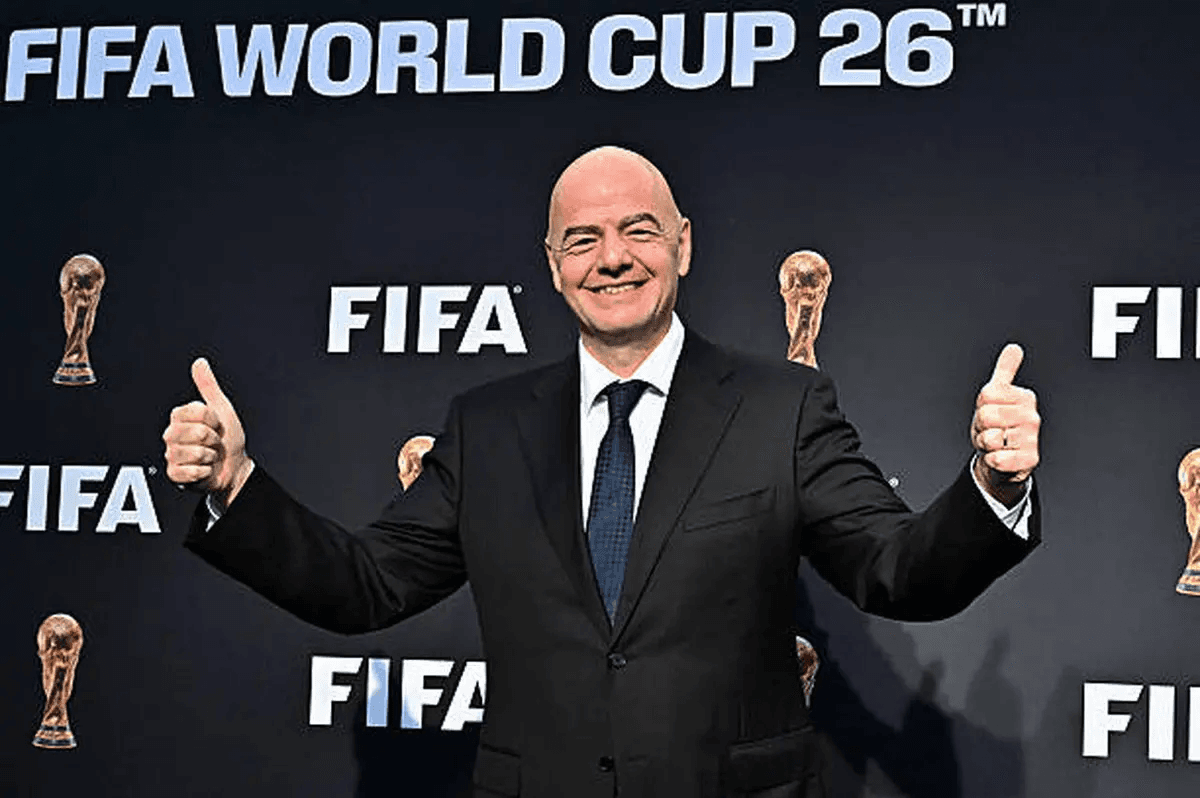
Since his election as president of the International Federation of Association Football "FIFA" on February 26, 2016, Gianni Infantino presented himself as the man who would end the legacy of corruption associated with the era of Sepp Blatter, the former president of the federation, but after years of assuming the position, he found himself at the heart of a long series of crises and criticisms.
His election campaign included all the slogans that the football community was waiting for: transparency, good governance, and support for reforms that were considered a lifeline to save FIFA from the corruption scandals that surrounded it.
Reform promises collide with early criticisms
Just a few months after assuming the presidency of "FIFA", criticisms began to emerge regarding Infantino's spending style and his use of private planes and administrative expenses, and his critics saw that he had begun to behave in the same way he had previously attacked, which raised early questions about the extent of his true commitment to the reform discourse.
Infantino was subjected to a review by the Ethics Committee at "FIFA" due to some expenses related to his election campaign and his management, before he was acquitted of violating the FIFA Code of Ethics.
Criminal investigations
A criminal investigation was opened in Switzerland during 2020, regarding secret meetings held by Infantino with his compatriot Michael Lauber, who was heading the Federal Public Prosecutor's Office.
The investigations focused on three secret meetings held in 2016 and 2017 between Lauber and Infantino.
Lauber submitted his resignation from his position after prolonged controversy over the way he handled the investigations into the famous corruption scandal in the international federation known as "FIFA Gate".
FIFA took a decision to close the case internally after the independent Ethics Committee scrutinized its initial investigation into the allegations and what the Swiss judiciary stated in the case it opened against Infantino, due to the clear lack of evidence related to any alleged violation of the Code of Ethics, but the case caused significant damage to the president's image, who reached the position as a symbol of reform and transparency.
Criticisms due to the expansion of tournaments
Infantino had promised to expand the FIFA Club World Cup shortly after his election in 2016, and the plan faced several delays, but two days before the final of the 2022 World Cup, "FIFA" finally announced that it would proceed in 2025, and it would be hosted by the United States.
This led to holding a large-scale tournament in the summer season, which is usually designated for players' rest.
The decision was met with objections from European leagues' associations, players, and coaches, who warned of unprecedented congestion in the match schedule and an increase in injuries and fatigue.
As for FIFA, it considered the project a historic step to develop football globally and increase financial returns.
The relationship with Donald Trump
In recent years, Infantino's frequent appearances with U.S. President Donald Trump have sparked increasing criticism.
These criticisms intensified after the special "FIFA for Peace - Football Unites the World" award that Infantino presented to Trump during the draw ceremony for the 2026 World Cup.
During the draw, Infantino presented Trump with a gold-plated cup, a medal, and a certificate of appreciation, praising him for "bringing peace" and affirming that he certainly deserves this honor for his alleged diplomatic achievements.
The announcement sparked immediate condemnation from human rights defenders, policy experts, and former United Nations officials, many of whom said the award was inappropriate and harmed FIFA's credibility.
Many believed that "FIFA" under Infantino's leadership had deviated from neutrality by presenting this award to Trump, as the international federation has a history of fining players for displaying political slogans or gestures on the field, and the selection process was opaque, because no criteria, shortlist, judging panel, or process for the Peace Prize were publicly disclosed, which raised suspicions that the award had been created specifically for Trump.
The Folarin Balogun crisis
Criticism and attacks on Infantino and his relationship with Trump increased after the crisis of Folarin Balogun, the U.S. national team player in the 2026 World Cup, which sparked one of the largest organizational scandals in the history of the modern World Cup, following a direct and unprecedented intervention from the White House that resulted in the cancellation of the penalty by a sudden decision from the International Federation of Association Football "FIFA".
This exceptional incident placed FIFA's disciplinary committees under scrutiny and sparked a storm of astonishment and doubt about the integrity of the competition, especially after U.S. President Donald Trump acknowledged his phone call with Infantino to reconsider the player's expulsion.
Infantino found himself forced to issue a defensive statement to justify his position on this crisis, as he affirmed in his speech that the judicial bodies of the federation operate completely independently and apply the disciplinary regulations based on the facts presented before them.
Bias towards the Argentina national team
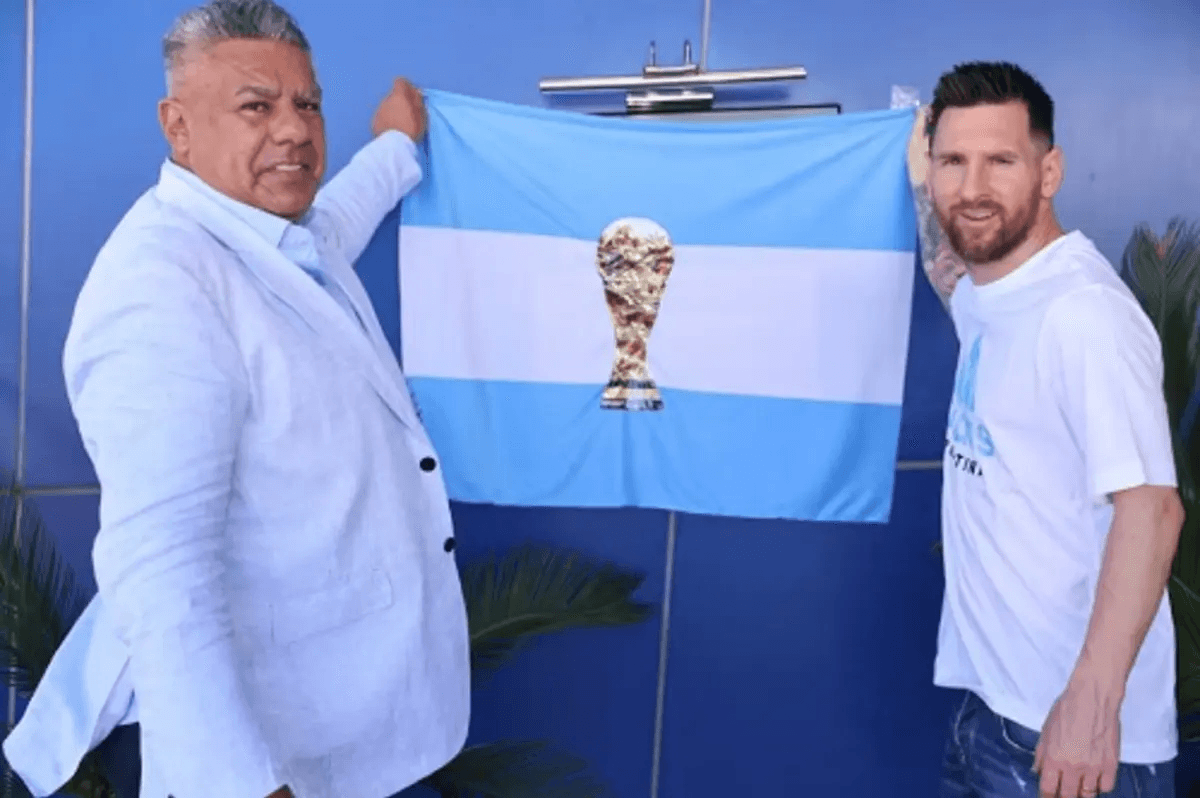
Infantino did not stop at stirring controversy due to the Balogun incident in the 2026 World Cup only, but his statement after the Argentina vs. Cape Verde match in the round of 32 sparked a new storm of controversy and led to accusations of bias towards the Argentina national team in the tournament.
Infantino said in a press interview after Argentina's hard-fought victory over Cape Verde (3-2) that he had suffered with the Argentina national team, which was understood as him supporting Lionel Messi and his teammates, but the FIFA president added, saying: "But I am neutral".
Social media users launched a scathing attack on Infantino, describing him as biased towards the Argentina national team and demanding his resignation from his position.
Doubts grow after the Egypt vs. Argentina match
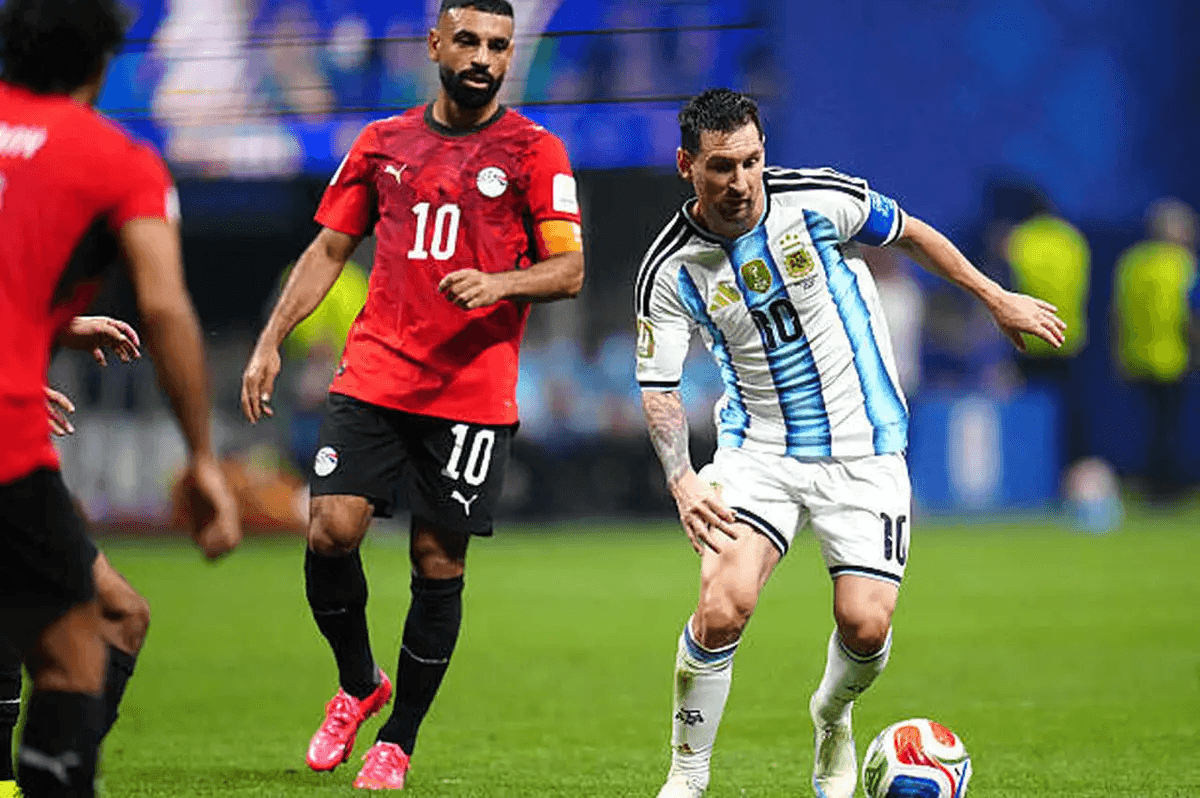
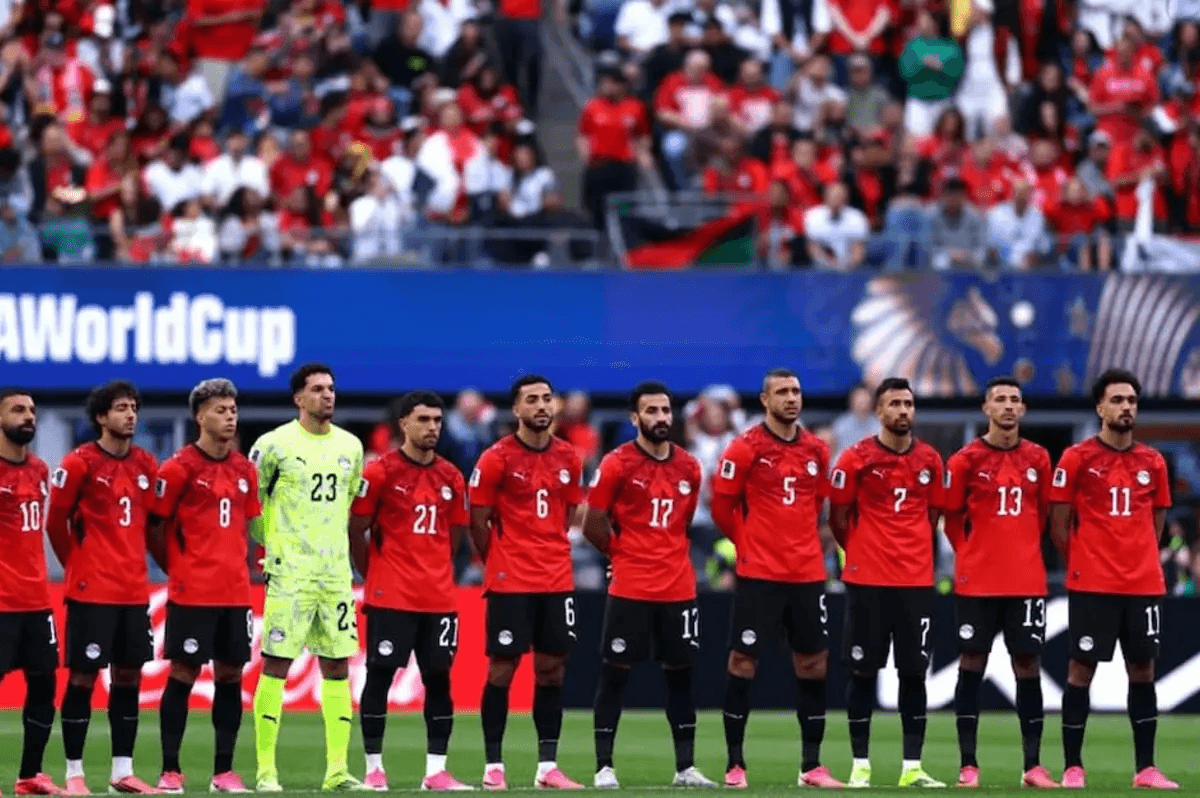
The Egypt vs. Argentina match in the round of 16 of the 2026 World Cup witnessed controversial refereeing decisions, most notably the cancellation of Mustafa Zico's second goal due to a prior foul, which was attacked by refereeing experts and international newspapers who described it as favoritism towards the Argentina national team to keep Messi in the tournament.
The French referee also awarded Argentina's third goal, despite the possibility of a penalty for the Egyptian national team before the Argentine goal.
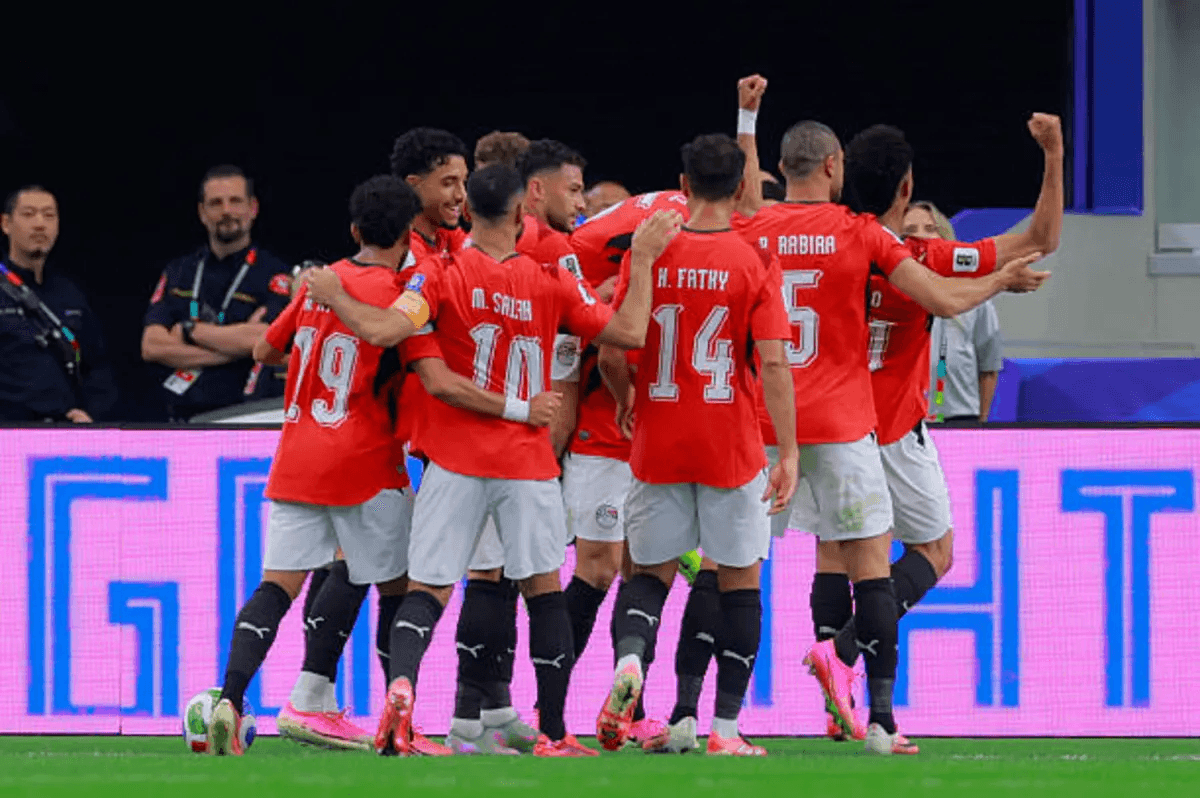
The French referee did not pay attention to the requests of the Egyptian technical staff led by Hossam Hassan, leading to a series of colored cards being shown to Egyptian national team players, as both Hamdi Fathi and Mustafa Shoubi received yellow cards, while Saafan Al-Saghir, the goalkeepers' coach, received a shocking red card.
Not only did Hossam Hassan see that the Egyptian national team had been wronged, but many international voices emerged denouncing what happened to the Pharaohs against Argentina in the 2026 World Cup.
After the Egypt vs. Argentina match, and specifically in the Colombia vs. Switzerland match at the end of the round of 16, a controversial action was witnessed from Infantino, who raised the Egyptian flag before the start of the match.
Although Egypt was not a party to this match, Infantino took this action to absorb the state of controversy and the massive protests in the media and on social media.
With this action, the FIFA president wanted to salute the Egyptian national team and its fans after their heroic performance against Argentina, and to dispel doubts about him after his controversial statements that confirm his bias towards a specific team in the tournament, in addition to the controversial refereeing decisions witnessed in the match that led to the departure of our national team.
Gianni Infantino came to the presidency of "FIFA" carrying the banner of reform and restoring trust after years of corruption scandals that dominated the international federation, but the 10 years that saw the presence of the Swiss national witnessed a continuous series of crises and controversial decisions that repeatedly placed the integrity and neutrality of the international federation under question, leaving Infantino, in the eyes of many, as one of the most divisive FIFA presidents, and perhaps even the worst in the history of the International Federation of Association Football.