The European Union refused to implement the decisions of the International Football Association Board "FIFA", as the arbitration officials in the 55 European national federations and UEFA agreed on a series of common guidelines for the 2026/27 season with the aim of unifying the interpretation of the laws of the game, increasing actual playing time, and ensuring a more limited and consistent use of the Video Assistant Referee (VAR) system.
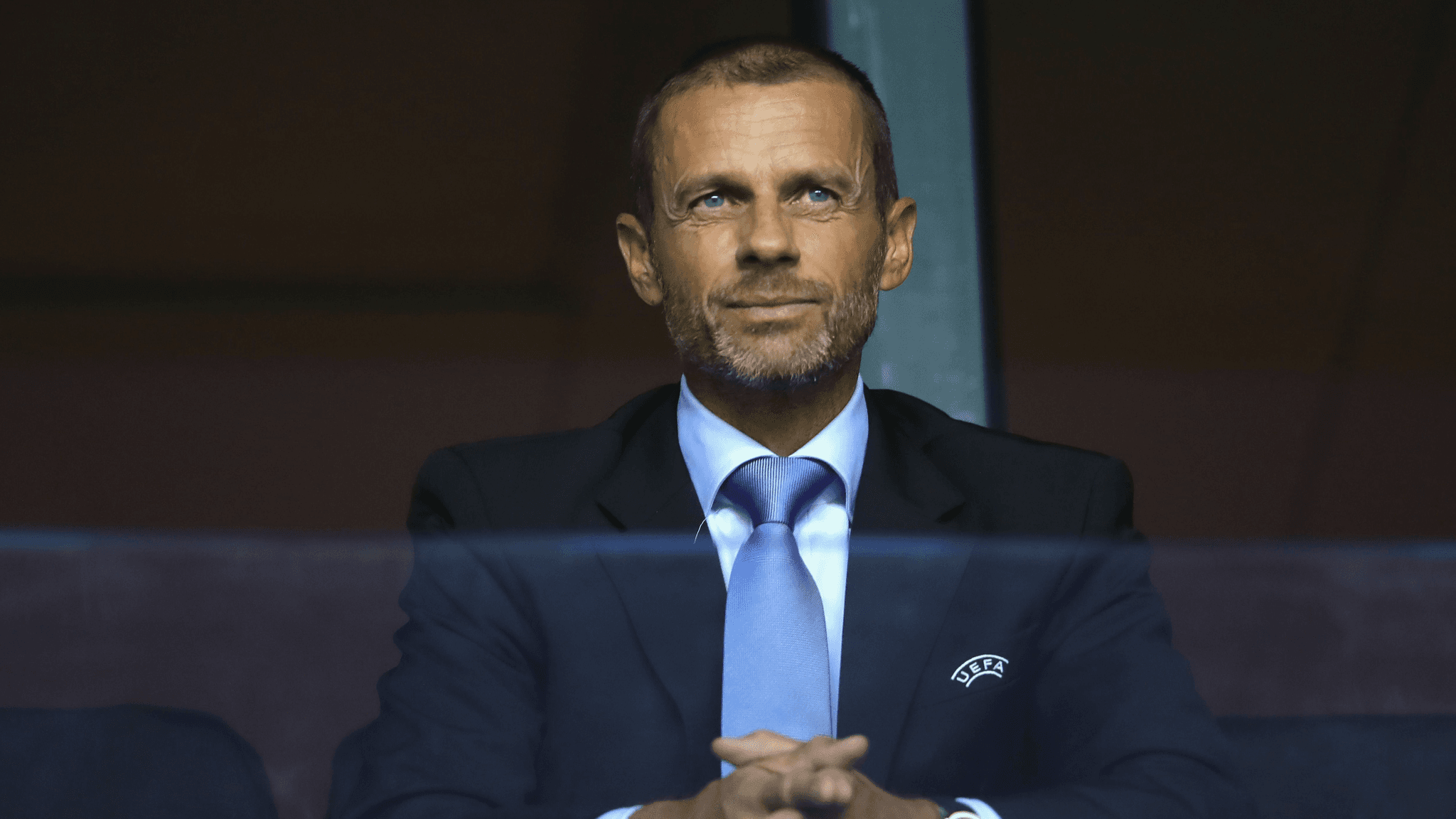
According to the newspaper "Marca", the meeting was held at UEFA headquarters in Nyon, and was also attended by a representative of the International Football Association Board (IFAB), with the aim of analyzing the recent amendments introduced to the laws of the game in preparation for the upcoming season.
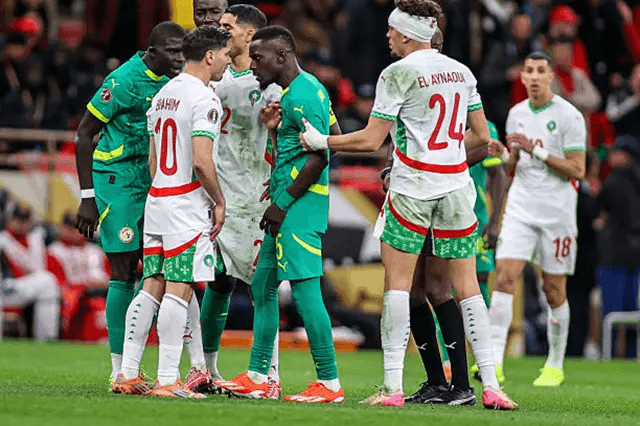
The agreements reached come after the 2026 World Cup, which witnessed numerous refereeing controversies, including the goal disallowed for Iran against Egypt after a lengthy offside review, or the penalty awarded to Belgium against Senegal following VAR intervention—measures that reopened the debate on when VAR should intervene and how long reviews should last.
One of the main issues of the meeting was the operation of the Video Assistant Referee (VAR) technology. Participants agreed on the need to strengthen common standards regarding VAR interventions, especially after the recent amendments introduced by the International Football Association Board (IFAB) to its protocol.
The role of the main video referee
In this regard, it was reaffirmed that the Video Assistant Referee (VAR) intervenes only in cases of a "clear and obvious" error or when the referee fails to take a clear action.
UEFA stressed that the system is not designed to re-referee matches from the video room, but to support the main referee, who must remain the primary decision-maker.
Refereeing officials also called for limiting prolonged reviews in front of the screen, arguing that excessively long checks often indicate that the initial decision was not clearly wrong.
Furthermore, an agreement was reached to apply unified standards in cases of player identification, following the clarifications recently issued by the International Football Association Board (IFAB).
Among other agreements reached was unanimous support for the reforms approved by the International Football Association Board (IFAB) to combat time-wasting and speed up the resumption of play.
These measures particularly affect procedures such as goal kicks, throw-ins, substitutions, and stoppages due to injuries.
According to UEFA, referees will receive instructions to apply these new provisions "strictly and consistently" in all national and international competitions, with the aim of increasing actual ball-in-play time and reducing unnecessary delays.
The relationship between referees and players
The meeting also addressed the relationship between referees and players, and UEFA and the national federations agreed to strengthen the communication protocol between team captains and referees, a format inspired by the model developed during UEFA Euro 2024 with the aim of promoting respect for referees and reducing on-field protests.
UEFA also announced that it will reveal in the coming weeks new measures and initiatives aimed at facilitating the uniform application of the laws of the game and the VAR protocol across all European football competitions.