The 2026 World Cup final, on Sunday evening, will witness an anticipated match between Spain and Argentina, in the conclusion expected to be exciting for a tournament filled with events and historical moments.
The two teams reached the final match in completely opposite ways; Spain overcame the obstacle of France, one of the most prominent title contenders, with a convincing performance in the semi-final, while Argentina needed a late comeback in the score to overturn their deficit against England and secure a ticket to the final.
When the two teams meet at New York New Jersey Stadium, the match will be filled with tactical battles, exciting individual duels, difficult technical decisions, in addition to many details that could play a decisive role in determining the world champion.
Below are six main axes that may shape the 2026 World Cup final.
Can Lionel Messi crack Spain's solid defense?
Both Lionel Messi and the Spanish national team's defense have delivered exceptional levels in the 2026 World Cup, but one of them will have to back down when the two teams meet in Sunday's final.
Spain has proven its ability to stop the most dangerous attacking lines in the tournament, after limiting the threat of the French team, which includes Kylian Mbappé, Ousmane Dembélé, and Michael Olise, to only 0.31 expected goals (xG) in the semi-final, the lowest rate for a team in the World Cup semi-final since 1994, according to data available since 1966.
By closing all outlets to the French attack, Unai Simón and his teammates kept a clean sheet for the sixth time in the 2026 World Cup, making the Spanish team the first to achieve six clean-sheet matches in a single edition of the World Cup.
Before Charles De Ketelaere scored Belgium's equalizer in the 34th minute of the quarter-final match, Simón had kept a clean sheet for 649 consecutive minutes in the World Cup, a remarkable figure reflecting the solidity of the Spanish defensive system.
In contrast, Lionel Messi is delivering an exceptional tournament and is considered by many the best player in the 2026 World Cup.
The Argentine captain started the tournament with great attacking power, scoring a hat-trick in the opening match, then adding two goals in the second round, breaking the historical record of German Miroslav Klose as the top scorer in World Cup history during that time.
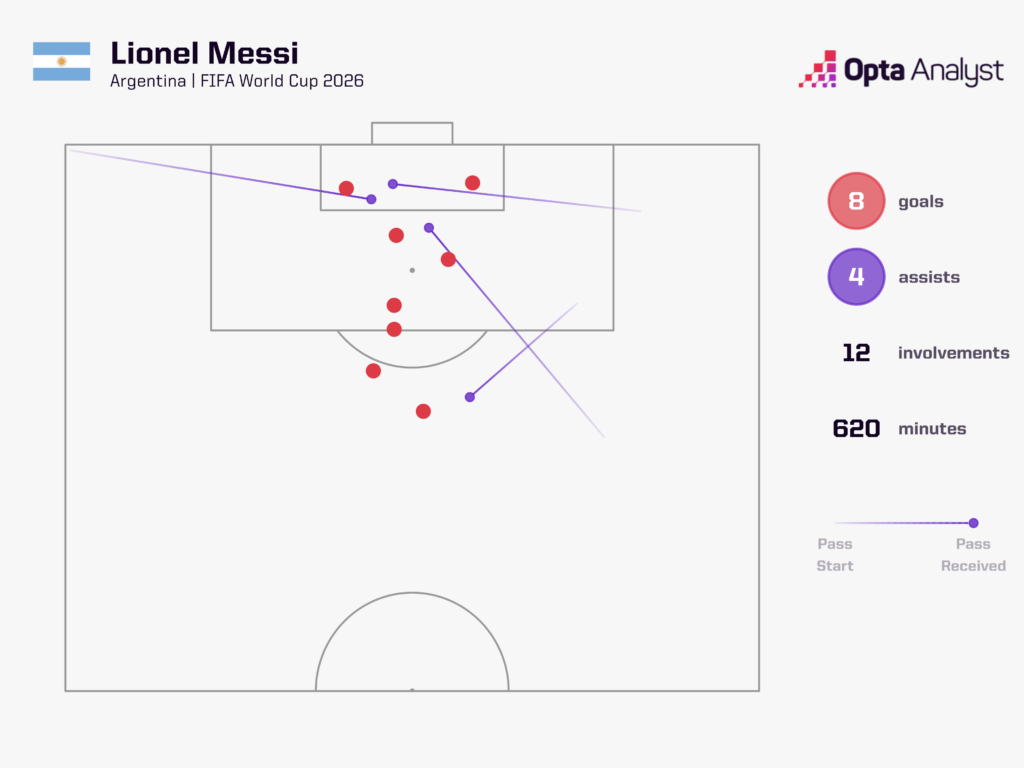
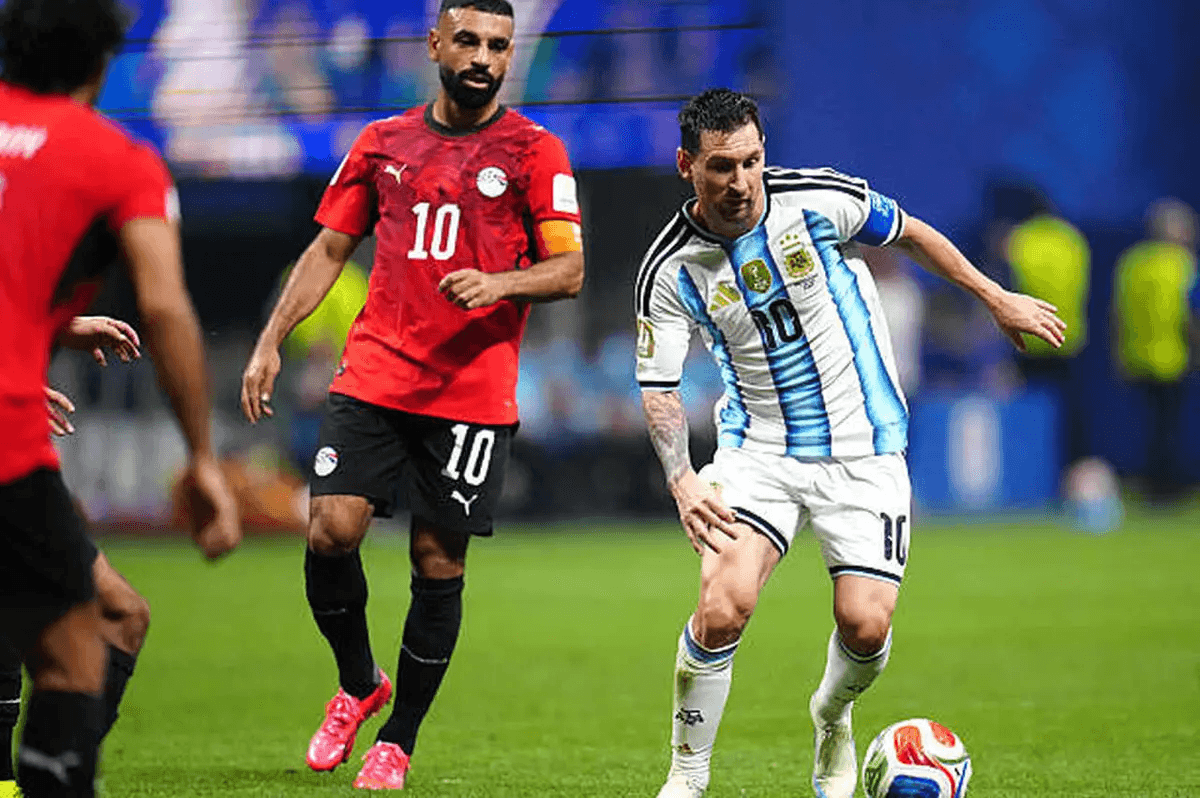
During the last three matches, Messi's role shifted from scorer to playmaker par excellence; in the round of 16 against Egypt, he led Argentina's comeback in the score after delivering a precise cross from which Cristian Romero scored, before adding a goal himself, then continued his brilliance in the quarter-final by creating the first goal for Alexis Mac Allister against Switzerland.
In the semi-final against England, Messi created four clear-cut chances and provided the two decisive passes from which Argentina's goals came, raising his tally to 12 assists in World Cup history and claiming sole possession of the top spot on the list of best assist providers in the tournament's history.
It is clear that penetrating the Spanish defense will require a touch of exceptional creativity, a trait Lionel Messi has long possessed, and he remains capable of making the difference at any moment no matter how difficult the task.
The midfield battle.. skill versus strength
Rodri has regained his best form with the Spanish national team during the 2026 World Cup, and if "La Roja" succeeds in winning the title on Sunday evening, he will be among the top contenders for the Golden Ball award for the best player in the tournament.
The midfielder continues to deliver exceptional performances, having already broken the record for the most successful passes completed by a player in a single edition of the World Cup since this statistic began being recorded in 1966, reaching 655 successful passes.
Notably, Rodri broke the record he himself held, after setting it in the 2022 World Cup edition, reaffirming his value as the mastermind of the Spanish national team's midfield.
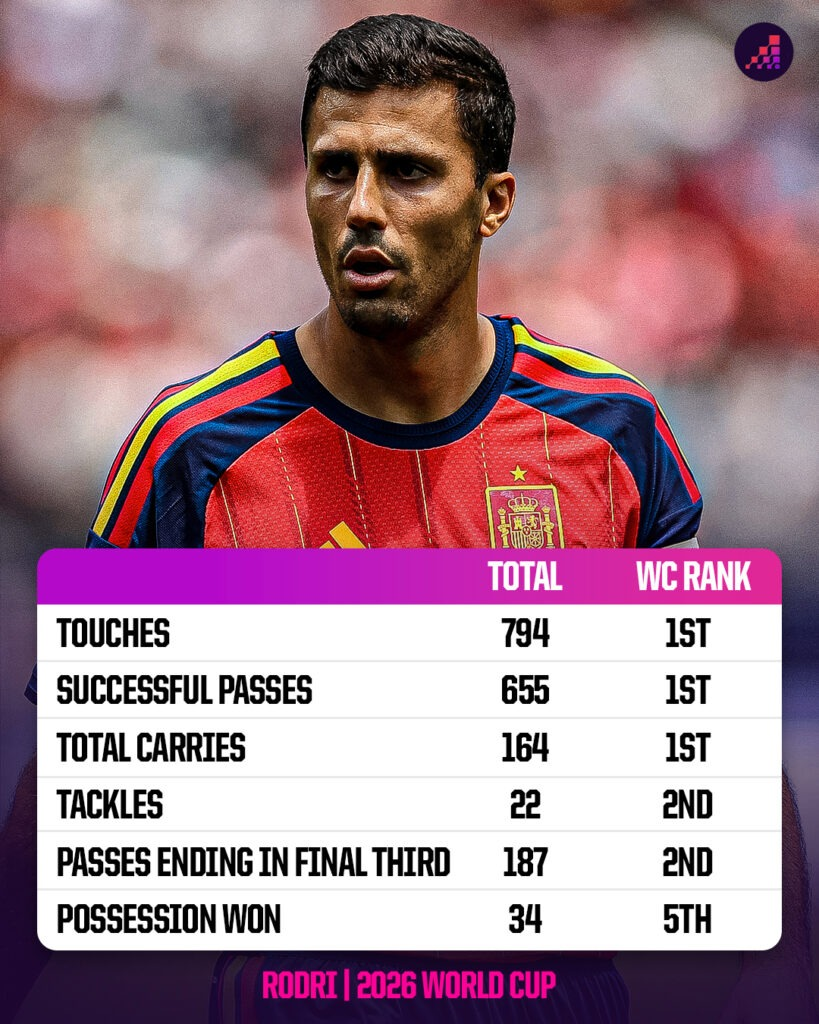
Although Spain relies heavily on possession, Rodri did not settle for managing the play but was also among the players who recovered the ball most in the tournament, regaining possession 34 times, the fifth-highest figure among all 2026 World Cup players.
But the strength of the Spanish midfield does not rely on Rodri alone, as his teammates are also delivering standout levels in the heart of the pitch.
Fabián Ruiz, who scored a goal in the quarter-final against Belgium, gives Spain a more physically strong option against an Argentine midfield characterized by solidity and duels, while Pedri completed 202 passes that ended in the attacking third, the highest figure among all midfielders in the tournament.
In contrast, the Argentine national team possesses a strong battalion in midfield led by Alexis Mac Allister, Enzo Fernández, Leandro Paredes, and Rodrigo De Paul.
Mac Allister appears to have been the standout among them so far, winning 33 duels, surpassed in this metric by only five players in the tournament, and making 10 interceptions, a figure exceeded only by Paraguay's Andrés Cubas.
As for Enzo Fernández, he delivered one of his best performances against England in the semi-final, where he not only scored but also led all players in touches (104), successful passes (82), and passes reaching the attacking third (38).
If Fernández maintains this level, he could give Argentina the edge in the midfield battle, which could be the decisive factor in determining the world champion.
Formation dilemma.. Who starts in the New Jersey final?
Successful teams are usually characterized by stability in their lineup, but Luis de la Fuente and Lionel Scaloni face a number of difficult decisions regarding the starting lineup before the 2026 World Cup final at New York New Jersey Stadium.
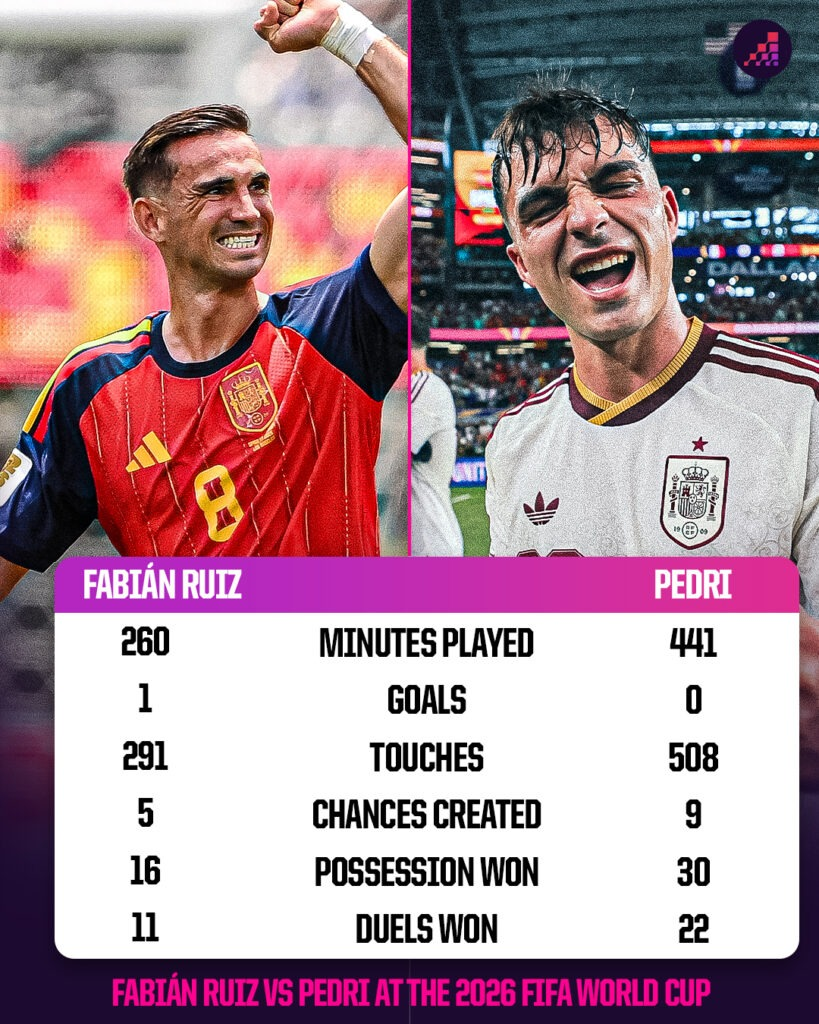
The biggest dilemma for Spain lies in midfield, where de la Fuente must choose between Fabián Ruiz and Pedri.
Although deploying Fabián Ruiz against Belgium was surprising, he repaid his coach's trust by scoring the opening goal, and he holds a remarkable record of not losing in 49 international matches played with the senior Spanish national team.
Ruiz continued his brilliance against France in the semi-final, being Spain's player who recovered the ball most (7 times), and leading all players in the match in entries into the attacking third (8 times), affirming his value on both defensive and attacking levels.
In contrast, Pedri is delivering a wonderful tournament in North America, ranking as the player who recovered the ball most in the attacking third (10 times), and leading Spanish players in total expected assists (xA) with 1.68, reflecting his great ability to create chances and threaten opponents' defenses.
Between Ruiz's solidity and Pedri's creativity, de la Fuente finds himself facing one of his toughest decisions before the final match.
As for Argentina, Lionel Scaloni has relied during the tournament on a policy of selecting the lineup according to the nature of the opponent, so he may prefer to deploy one of the midfielders such as Rodrigo De Paul or Thiago Almada at the expense of Giuliano Simeone.
But the Argentine coach's toughest decisions may be in the forward line, where the battle intensifies between the hardworking striker Julián Álvarez and the goalscorer Lautaro Martínez.
Since his exit from the starting lineup in the round of 16, Martínez has turned into a trump card from the bench, contributing a goal or assist in every match of the last three matches played by Argentina.
In contrast, Álvarez has suffered a decline in his scoring rate throughout the tournament, scoring only one goal in seven matches, but it was a highly important goal, scored in a distinctive way against Switzerland in the quarter-final.
Thus, Scaloni finds himself facing a difficult equation: Does he rely on Álvarez, who gives the team great effort in pressing and off-ball movements, or deploy Martínez, who possesses greater attacking effectiveness and a higher ability to exploit chances inside the penalty area?
Coaches specialized in international tournaments
There is one record that will remain standing no matter the result of the final.
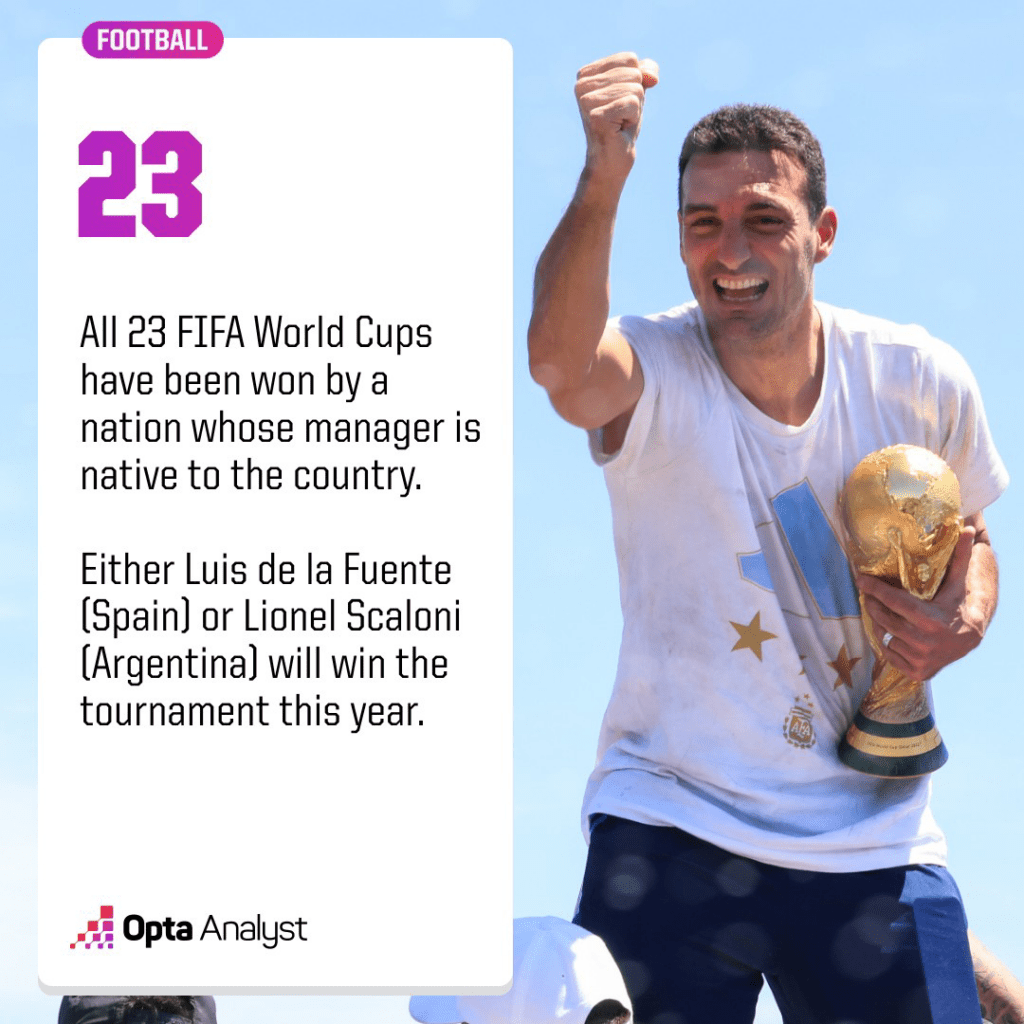
Given that Luis de la Fuente and Lionel Scaloni are leading their countries' national teams, the World Cup will continue to uphold its historical tradition, as no team has ever won the title under the leadership of a foreign coach.
The presence of de la Fuente and Scaloni in the final reflects the importance of technical stability and reliance on coaches who know the identity of their national teams and the football culture in their countries, an approach that has proven successful again in the 2026 World Cup.
Nevertheless, major teams continue to bet on foreign coaches; in the 2026 World Cup, German Thomas Tuchel led the England national team, while Italian Carlo Ancelotti took charge of Brazil, and Argentine Mauricio Pochettino coached the United States.
What they share is not limited to their nationalities differing from the teams they coach, but also extends to their coaching background, as Tuchel, Ancelotti, and Pochettino made their names as among the most prominent tactical coaches in world football, but most of their successes were achieved at club level, whereas international football is completely different in terms of the nature of the work and challenges.
In contrast, neither Luis de la Fuente nor Lionel Scaloni achieved notable successes in club coaching.
De la Fuente began his coaching career in the lower divisions of Spanish football, but failed to establish himself, then moved to coaching Spain's youth national teams, before gradually making his way to leading the senior national team in 2022.
As for Scaloni, apart from a short period as assistant coach at Sevilla, his entire coaching experience has come with national teams.
Looking at the achievements, it can be said that the approach followed by the Spanish and Argentine federations has been highly successful; Scaloni led Argentina to the 2022 World Cup title, while de la Fuente crowned Spain with the European Nations Cup "Euro 2024" title.
This success may prompt other major teams to reconsider their philosophy of selecting coaches in future tournaments, and give opportunities to coaches who possess specialized experience in international football, instead of relying solely on those with club achievements.
High probability of late drama
Argentina's path to the final was not paved with roses, as the "Tango dancers" were not leading in the score at the 90th minute in any of the knockout stage matches, but they succeeded every time in finding their way to victory, and of course the presence of Lionel Messi makes the difference in the toughest moments.
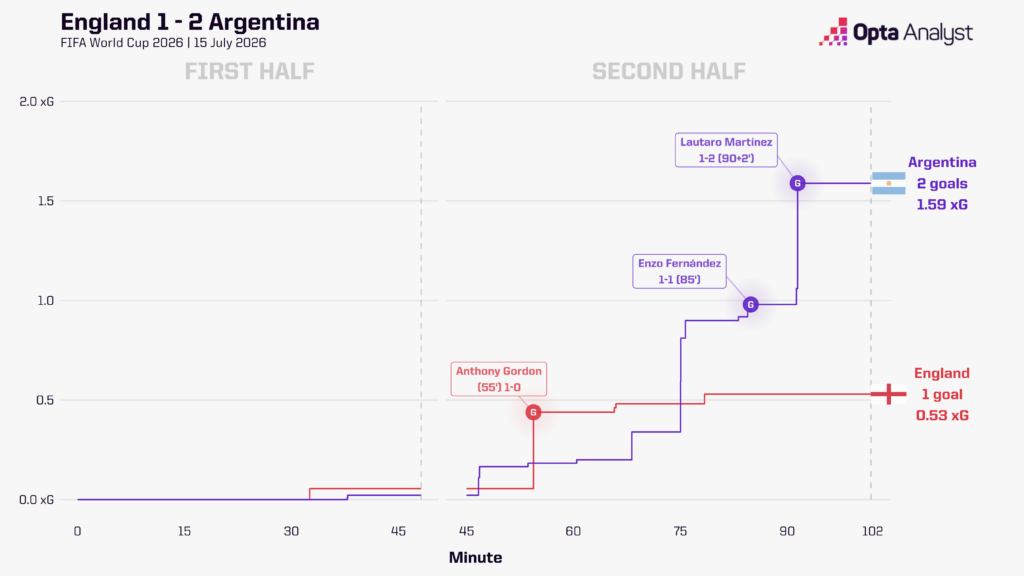
The semi-final match against England was the most prominent example of that, as Argentina remained behind in the score until the 85th minute, before turning the match around and winning, recording the latest comeback by a team that was behind and then won in regular time in the history of World Cup semi-final matches.
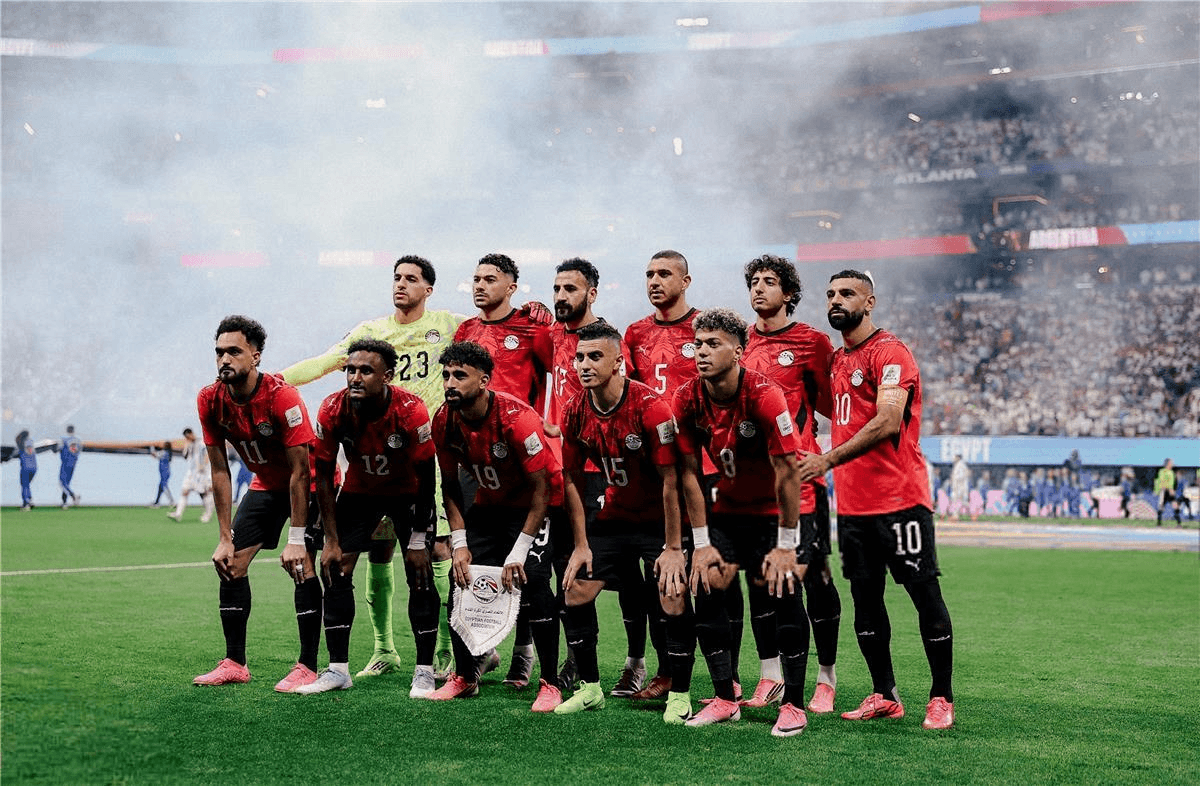
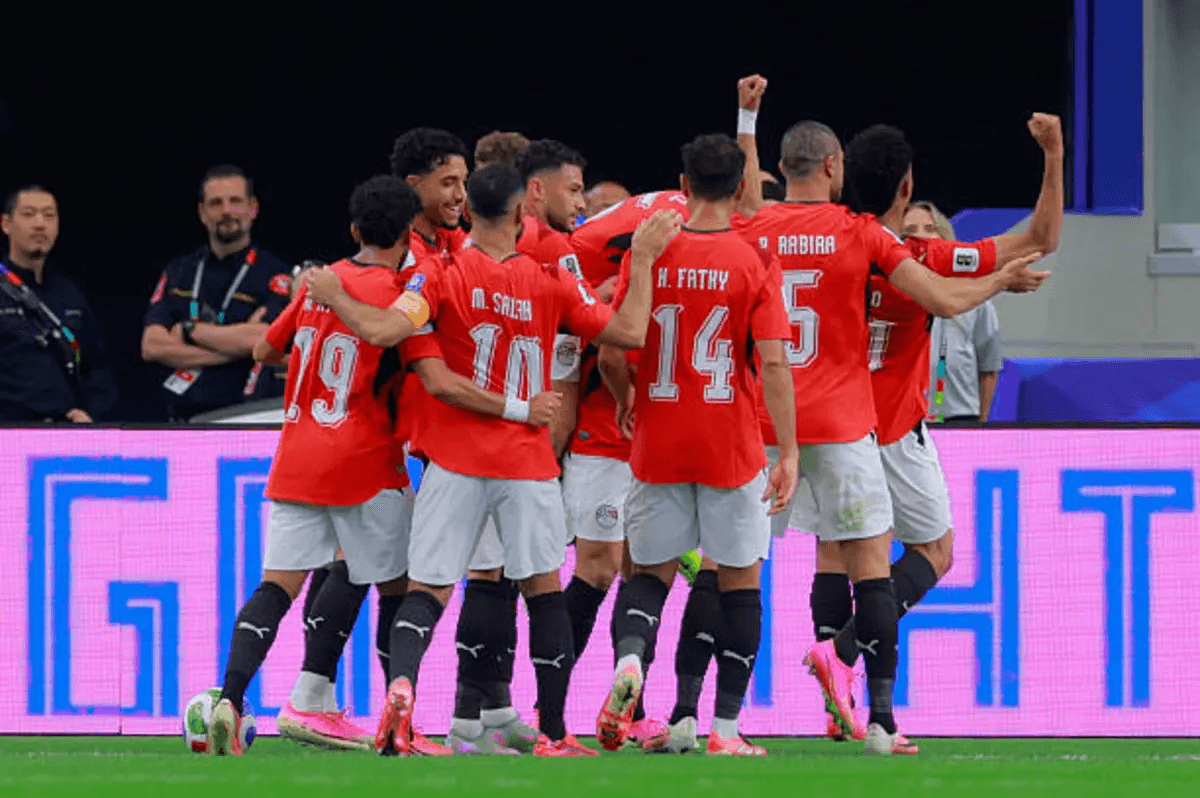
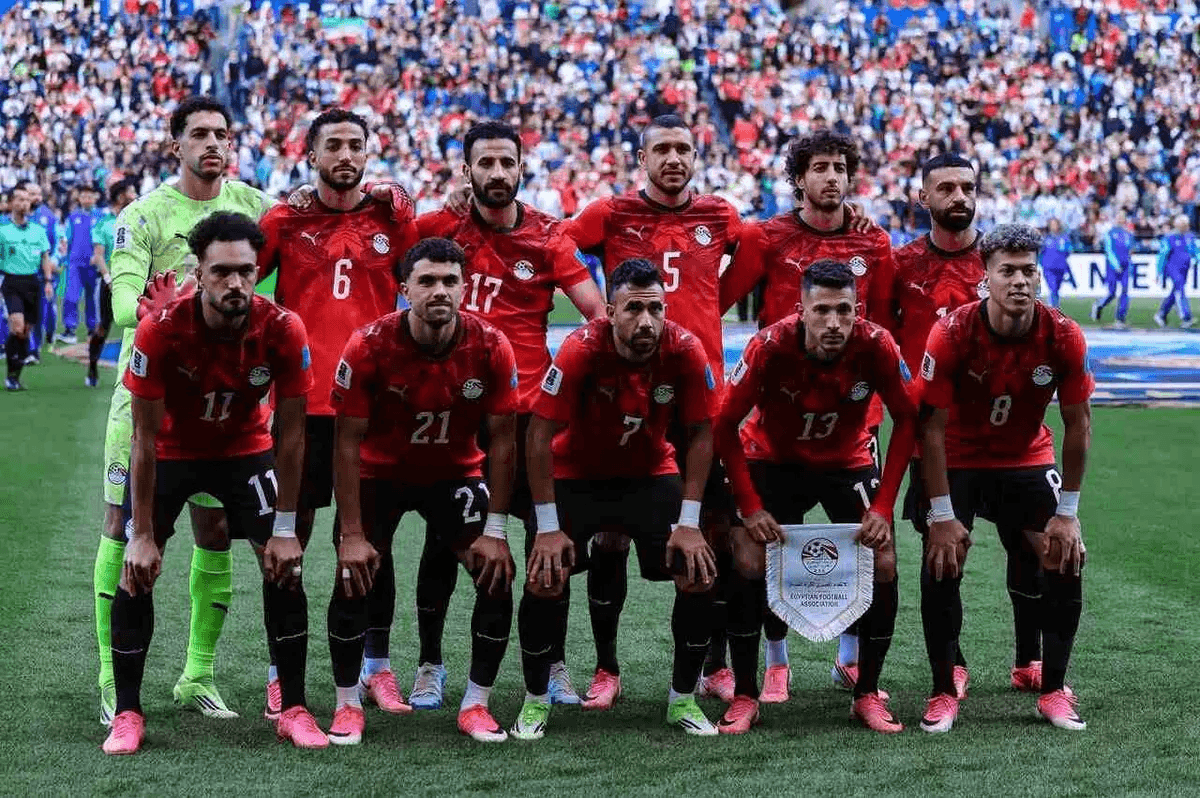
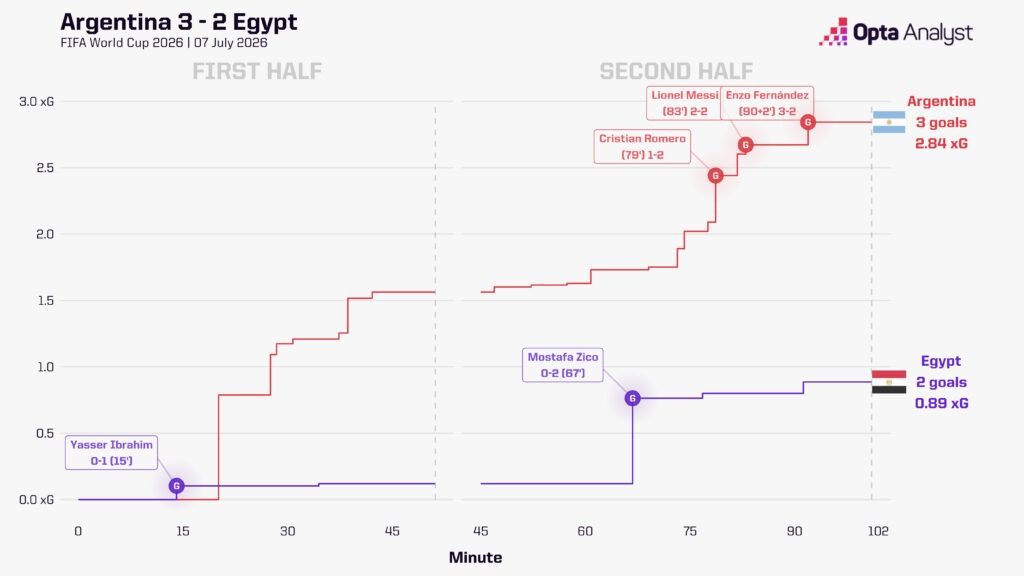
In the round of 16 against Egypt, Argentina seemed on the verge of bidding farewell to the dream of retaining the World Cup title, as after trailing 2-0 until the 78th minute, Opta's supercomputer gave them no more than a 0.6% chance of winning the match in regular time.
But Scaloni's team defied all expectations, scoring three late goals to achieve one of the most exciting comebacks in World Cup history, and secure a ticket to the next round in a way that will remain etched in memory.
Spain's journey was not much different, although less dramatic than Argentina's counterpart, for despite "La Roja's" comfortable superiority over France in the semi-final, they needed two late goals from Mikel Merino against both Portugal and Belgium to carve their way to the final four.
Spain may impose their usual style of ball possession, but control alone is not enough if it is not translated into goals. Fortunately for the Spanish team, it includes many players capable of deciding matches in a single moment and making the difference in crucial times.
The two teams enter the final with a champion's mentality, after each has proven their ability to achieve victories even in matches where they did not deliver their best levels, so a new scenario of excitement and drama in the final minutes cannot be ruled out, in a match that could be decided right up to the last moments of the 2026 World Cup final.
Historic final between the champions of Europe and South America
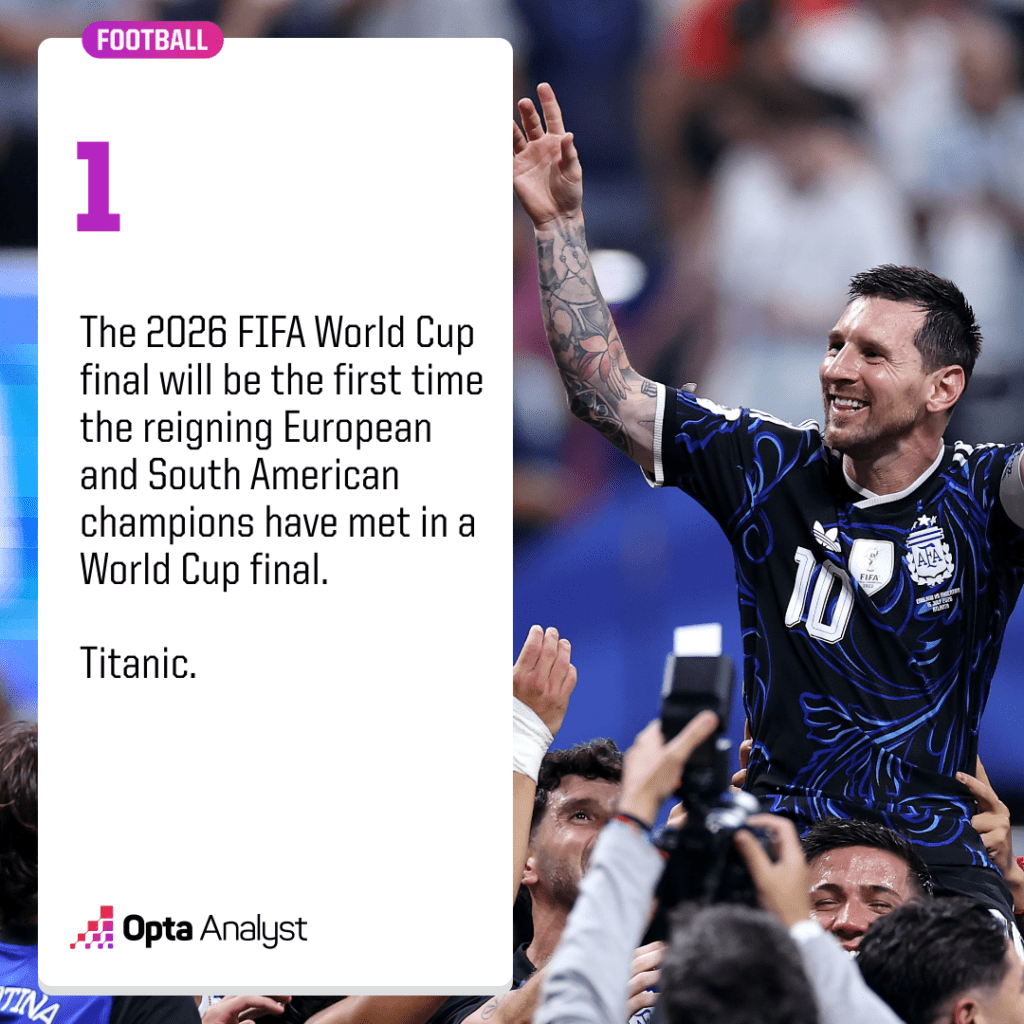
The 2026 World Cup final will witness an unprecedented event in the history of the tournament, as this will be the first time that the champion of Europe meets the champion of South America, both carrying their continental titles, in the World Cup final match.
This anticipated encounter gives the match the attribute of a "clash of the titans" in every sense of the word, as the Spanish team enters as European champions, while Argentina enters the final as South American champions.
This summit also comes at an ideal time, after the second edition of the "Finalissima" tournament, which brings together the champions of Europe and South America, was canceled earlier this year, making the World Cup final the perfect opportunity to settle the superiority between the champions of the two continents on the biggest football stage in the world.
The importance of this final is not limited to the two teams only, but extends to the entire global football scene.
Europe and South America have remained for decades the two continents most dominant in football, yet CONMEBOL teams have faced a relative decline on the global stage in recent years, and before the 2026 edition, eight of the last ten teams to reach the World Cup final were from the European continent, and European teams have won the title in four of the last five editions of the tournament.
Argentina, the only South American team to reach the World Cup final since 2006, seeks to continue breaking this European dominance, having won the 2022 World Cup title, and if they succeed in winning again, it will be the eleventh title for South American teams in World Cup history, putting them just one title away from the tally of European teams.
The United States also holds fond memories for Argentina, having hosted the 2024 Copa América final, which the "Tango" team decided with a win over Colombia with a goal scored in the 112th minute, in the match held at Hard Rock Stadium in Miami.
This memory gives Argentina an additional morale boost, as they possess a recent successful record of winning titles on North American soil, which they hope to repeat when they face Spain in the 2026 World Cup final.