


Written by: Wael Tawfik
Nine in the evening, June 12, 1990.
Nagrij village, Gharbia Governorate.
Salah Ghali’s eyes welled up as he watched the Egyptian national team players on television facing the Dutch national team.
His heart leapt, hidden beneath his galabeya, trailing by a goal.
In the 83rd minute, Hossam Hassan fell, and referee Emilio Soriano Aladrén awarded a penalty. The Spaniard never imagined the lasting impact of his whistle. Magdy Abdelghany scored the goal, remaining present 28 years later in drama, commercials, and talk shows.
“Heaven’s justice descended on Palermo Stadium,” and dreams stirred in Salah Ghali (a middle-class government employee), with the gates of heaven flung wide open.
Less than two years later, his son Mohamed’s cry broke the silence of the house.
He never knew that his newborn would lead the Egyptian national team to the World Cup 28 years later, and that his journey from Nagrij to Al-Mokaweloun Al-Arab then to Europe was no individual success story.
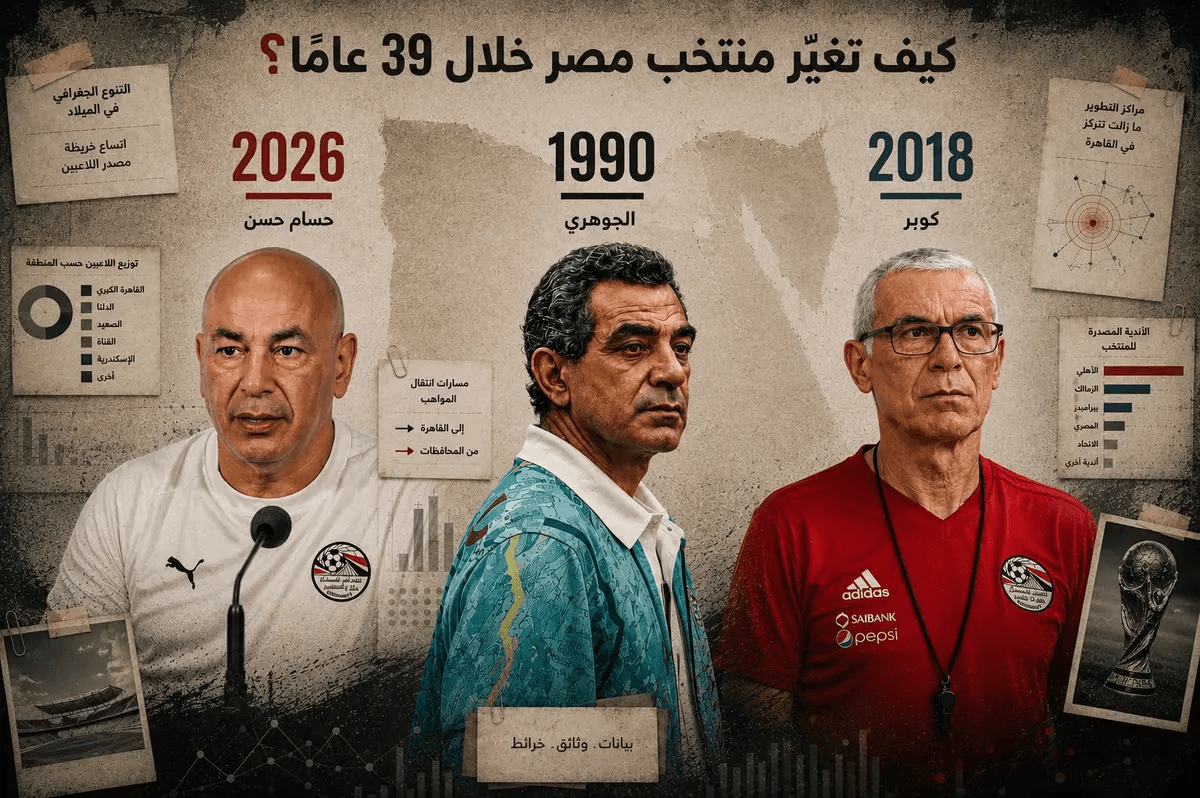
Mohamed Salah’s journey was not an exception, yet it was not the rule either. It is a window through which we glimpse the paths of Egyptian national team players across three World Cup stops: 1990, 2018, and 2026, from birthplaces to development clubs, in search of an answer: How has the map of producing Egyptian national team players changed over 36 years?
Where were the Egyptian national team players born?
The capital’s power recedes
The data reveals that 14 out of 22 players on Egypt’s 1990 World Cup squad were born in Cairo, equivalent to 63.6% of the total squad.
Twenty-eight years later, the number dropped to 8 out of 23 players on the 2018 World Cup squad, at 34.8%, before settling at 8 out of 26 on the 2026 squad, reducing the percentage to just 30.8%.
The change was not limited to the capital alone but encompassed the entire geographic map. In 1990, players from Greater Cairo represented nearly two-thirds of the team with 15 players, compared to only 3 from Delta governorates. By the 2026 edition, the picture reversed: Delta representation rose to 12 players, against only 10 from Greater Cairo, making the Delta the most represented region in the team for the first time.
Over time, the base of represented governorates within the team expanded. In 1990, players came from only 8 governorates, rising to 9 in 2018, then to 11 in the 2026 squad, alongside one player born outside Egypt. Representation emerged for governorates absent from the 1990 squad, such as Beheira, Dakahlia, Menoufia, and Kafr El-Sheikh, while others that had been present in the older generation, such as Beni Suef and Assiut, disappeared.
These figures reveal a clear shift in the birth map of Egyptian national team players. After Cairo was the main source of players in the 1990 generation, the production base became more widespread, with a clear rise in Delta governorates and an expansion of represented governorates within the team.
The path to the Premier League and the national team passes through Cairo.
Mohamed Salah had to travel daily from Nagrij to Cairo to follow his training at Al-Mokaweloun Al-Arab. Salah Ghali recounts: “He used to take 3 rides a day from Nagrij to Basyoun to Tanta to Cairo to Al-Mokaweloun, 10 hours a day, and every day he would come and say two left, I told him, seize the opportunity and when you step onto the pitch, eat the grass.”
The trip from Nagrij to Al-Mokaweloun cost 19 or 18.5 pounds. Salah recounted: “I wanted to eat on the way back to Nagrij, so I would buy a plate of koshary and load it with chili so I could fill up.”
Where is an Egyptian national team player made?
The data paints an entirely different picture when tracing the player’s development journey. The expansion in birthplaces was not matched by a similar expansion in player-making locations. The development process remained concentrated in a limited number of governorates and clubs, though the nature of this system changed over the past three decades.
Cairo maintained its position as the main center for developing players across the three teams. In the 1990 World Cup squad, 13 out of 22 players developed within Cairo clubs, while the number reached 12 in the 2018 squad, before rising to 15 out of 26 in the 2026 squad. This means the decline in the percentage of players born in Cairo was not reflected in its status in player-making; the capital remained the prime destination where talents from various governorates converged.
The comparison reveals a paradox: while the birth map of players expanded to include a greater number of governorates, the development map remained more concentrated, with Cairo’s dominance, followed by Giza, continuing over the largest share of player development paths. This indicates that many players were born outside the capital but moved to it or its surroundings to complete development stages within major clubs or academies better equipped to prepare players for the highest level of competition.
Internal migration data also reveals a clear change in the Egyptian player’s path. In the 1990 squad, 12 players developed in the same governorate where they were born, compared to 10 who moved to another governorate. In the 2026 squad, only 6 players completed their development journey within their birth governorate, while 20 moved to another governorate or abroad during development stages. This reflects a gradual shift in the player-making model, as movement between governorates and the search for better opportunities within major clubs or specialized academies became an essential part of the path to the national team.
While the birth map of Egyptian national team players has become more diverse and expansive, the player-making system has remained more concentrated, though it has simultaneously become more open to new clubs and multiple development paths. In other words, Cairo is no longer the birthplace of most national team players, but it remains the place where most of them are developed. While the birth map has expanded, the path to the national team still passes, in most cases, through development centers in Greater Cairo and its surroundings, even as this system has become more open to new clubs and paths.
Who makes Egyptian national team players?
If the birth map of Egyptian national team players has expanded, and the data shows that their development journey remains centered in a limited number of governorates, the next question is: What institutions make them? Has the traditional fan-base clubs remained the main source for the national team, or has the production map changed over the past three decades?
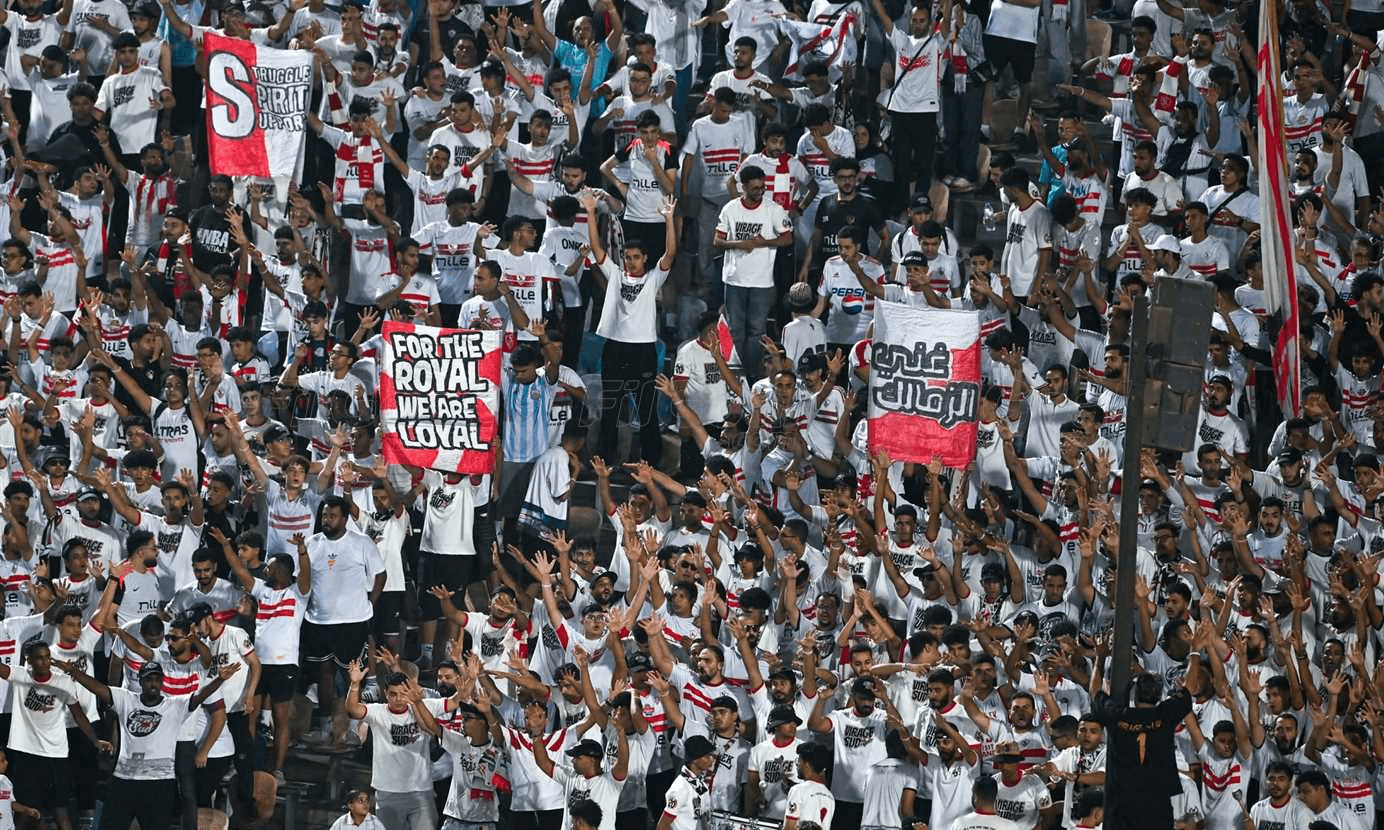
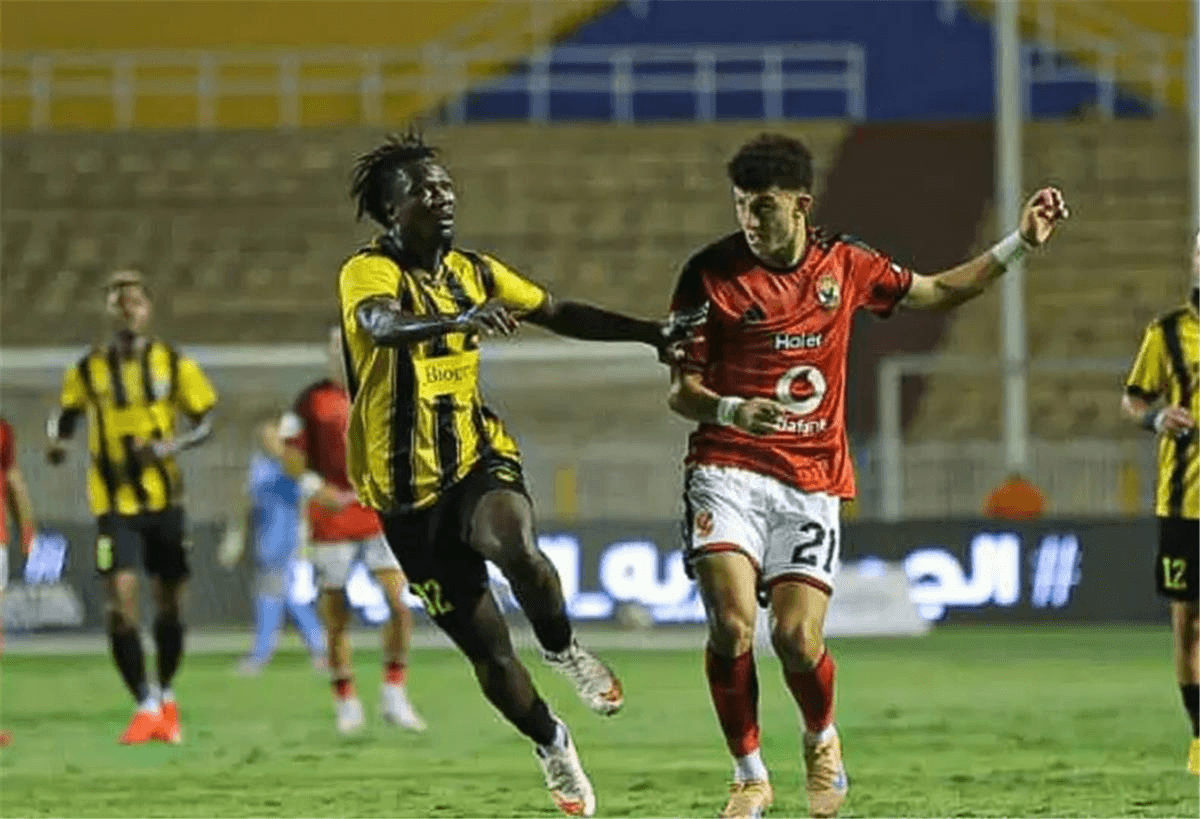
Data from the 1990, 2018, and 2026 World Cup squads proves that the fan-base clubs—Al Ahly and Zamalek—have ceased to monopolize the production of national team players as they did more than three decades ago. In the 1990 squad, 19 out of 22 players came from the two clubs, while the number dropped to 10 in 2018, then to only 9 out of 26 in the 2026 squad.
In contrast, corporate clubs represented only two players, while investment clubs or external development paths were entirely absent.
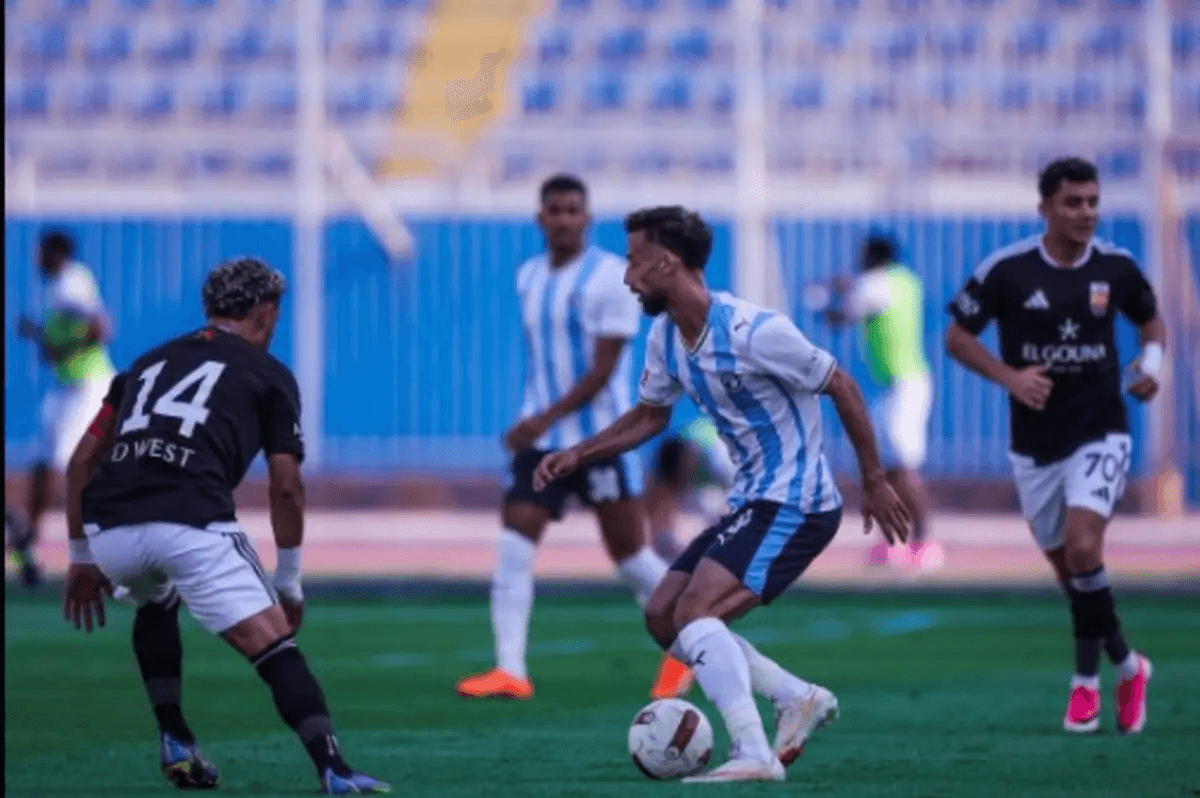
The 2026 Egyptian national team squad reveals an expansion in the base of clubs producing international players, with clubs that were absent from the 1990 generation appearing, such as Enppi, Smouha, Haras El Hodood, Asyut Petroleum, Pyramids, Wadi Degla, and El Gouna, alongside cases where players began their development journey in clubs or academies outside Egypt, such as Lierse in Belgium and Villarreal in Spain.
These paths confirm that the Egyptian player preparation system has become more diverse than before, both inside Egypt and through external development experiences.
With the start of the new millennium, this system began witnessing clear transformations.
Salah’s journey was one of the clear models of producing an international player outside the Al Ahly-Zamalek duo that dominated Egyptian football for decades. He was promoted to Al-Mokaweloun Al-Arab’s first team to play his first match in the Egyptian Premier League in the 2009-2010 season against Mansoura (May 3, 2010), at the age of 17 years and 10 months.
Salah moved to Swiss club Basel in July 2012, and after a multi-stop journey that included English club Chelsea and Italian clubs Fiorentina and Roma, he reached his most prominent stop at English club Liverpool,
and scored the historic penalty against the Congo national team on October 8, 2017, leading the Egyptian national team to the 2018 World Cup in Russia.
The features gradually changed in the 2018 World Cup; alongside the continued contribution of Al Ahly, Zamalek, Ismailia, Smouha, and Damietta, corporate clubs such as Enppi, Al-Mokaweloun Al-Arab, and Petrojet emerged, as did a player for the first time via a European club, Port Vale in England, while Tala’ea El Gaish contributed as one of the government institution clubs.
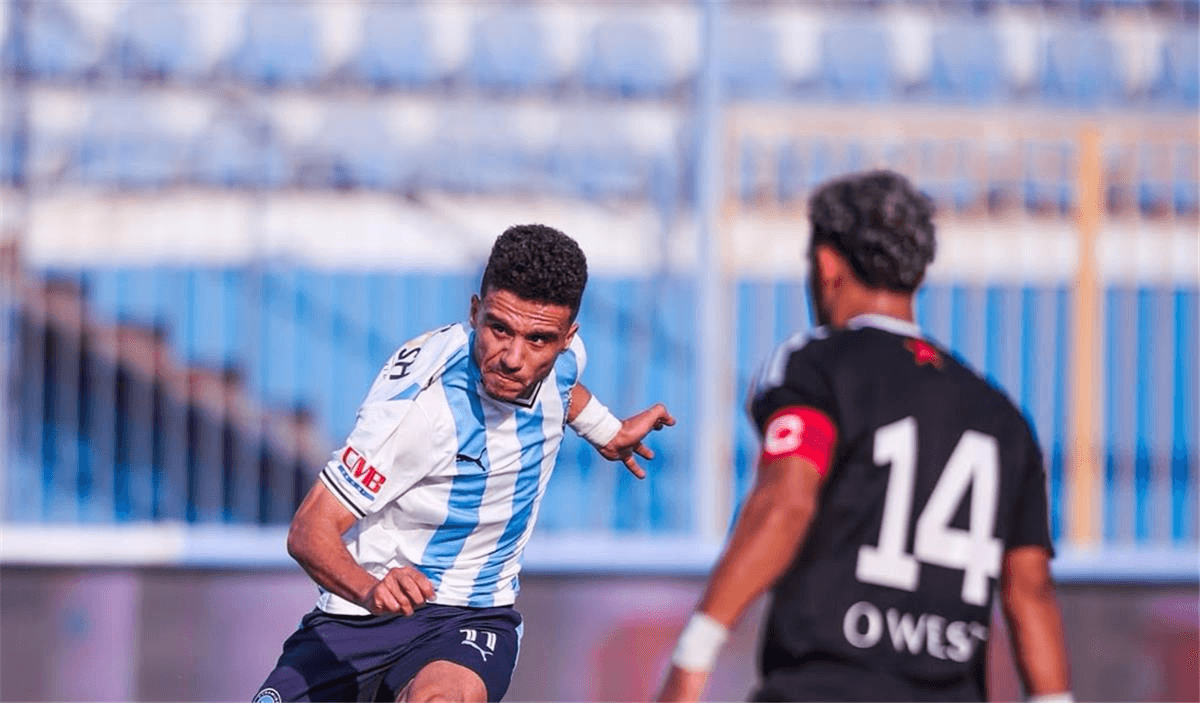
As for the 2026 list, the picture looks different more clearly. The popular clubs are still present through Al Ahly, Zamalek, Al Ittihad Al Sakandari, and Smouha, but they are no longer the only source. The production base has expanded to include investment clubs such as Pyramids, Wadi Degla, Al Gouna, Asyut Sport, and Nogoom FC, alongside the continued contribution of company clubs such as Enppi and Al Mokaweloon Al Arab, and the emergence of government institution clubs such as Border Guards, as well as external development paths through Belgian Lierse and Spanish Villarreal.
These transformations reflect a change in the structure of player production more than they reflect a mere change in club names; while the popular clubs represented a near-monopoly in the early 1990s, the system for preparing national team players has become more diverse, with the entry of investment clubs, the continued role of company clubs, and the emergence of development paths outside Egypt. The path to the national team no longer passes through a single institution or a single model, but now relies on a broader and more multifaceted system.
This does not mean a decline in the role of Al Ahly or Zamalek; the two clubs remain among the most important feeders of the national team, but the data indicate that their historical monopoly on player production has declined with the expansion of the base of clubs capable of developing players who reach the first national team.
A comparison of the 1990, 2018, and 2026 lists does not reveal a change in the geography of player production only, but also a transformation in the institutions that produce them. After the popular clubs represented the near sole backbone of the national team, the system today has become more diverse, encompassing popular clubs, companies, private investment, and government institutions, alongside development paths outside Egypt.
What do the data reveal over 36 years?
A comparison of Egypt's national team lists in the 1990, 2018, and 2026 World Cups shows that the player production system has undergone a clear transformation over more than three decades, but this transformation was not a shift from one center to another, but a complete reshaping of the player production system.
At the level of birth, the geographical map of national team players has expanded. After Cairo represented the most prominent source in the early 1990s, the Delta governorates have become the region with the greatest presence in the 2026 list, alongside an increase in the number of represented governorates.
But at the level of development, the picture looks different. Despite the diversity of birth governorates, Cairo and Giza remained the main center where a large percentage of players gather during their preparation journey, indicating that the spread of talent was not accompanied by a similar spread in player-making centers.
At the same time, the institutions that produce national team players have changed. After the popular clubs, led by Al Ahly and Zamalek, dominated the production process, the system has become more diverse with the rise of investment clubs, the continued contribution of company clubs, the emergence of external development paths, which has expanded the base of entities capable of supplying players to the national team.
Finally, the players' journey showed that moving between governorates has become an essential part of the path to the national team. Staying in the birth governorate is no longer the most common path; instead, many players leave their governorates in search of better opportunities for training, competition, and development before reaching the national team.
Talents are now born across a wider geographical area, while development opportunities remain concentrated in a limited number of governorates, with diversity in the institutions that receive and develop these talents.
Thus, Egyptian football no longer produces its players in the same way it did more than three decades ago; the birth map has expanded, the producing institutions have diversified, and the player's journey has become more mobile. Talent may be born anywhere, but reaching the national team now depends, first and foremost, on the place where the player finds his real opportunity for development.