

The International Federation of Association Football (FIFA) has released a comprehensive report following the 2026 World Cup, providing unprecedented analysis on how the world's best national teams and players are reshaping modern football.
The report, prepared by FIFA's Technical Study Group and Football Performance Analysis division, is based on information from all 104 matches of the tournament, combining deep football expertise with advanced data and video analytics.
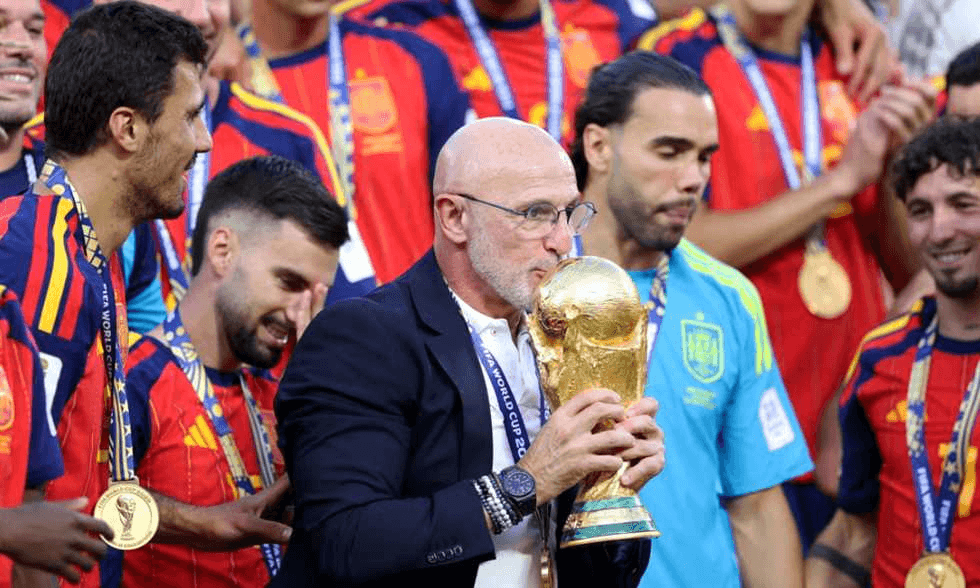
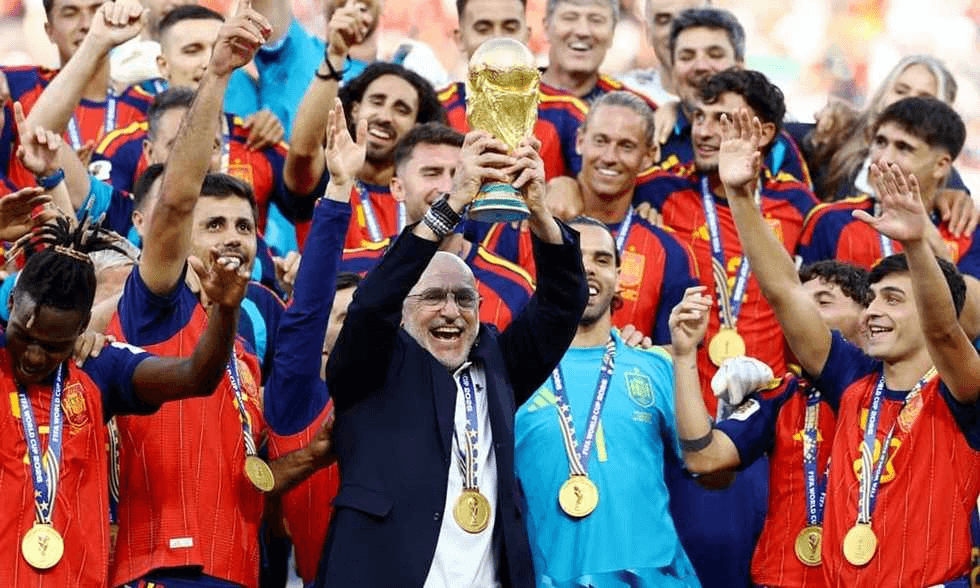
Spain was crowned champion thanks to their victory over Argentina in the final, winning 1-0 with a goal scored by Ferran Torres.
The key findings, outlined below, highlight tactical innovation, the evolution of player roles, and new pathways to success at the highest level.
- Counter-pressing: A double-edged sword: The report highlights counter-pressing as one of the tournament's defining trends. Major national teams consistently succeeded in turning ball losses into immediate attacking opportunities, with champions Spain showing particular proficiency in using their formation during possession to win the ball back and attack before opponents had a chance to reorganize.
- Different paths to success: From high offensive pressing to disciplined defensive blocks and quick transitions, the analysis reveals diverse recipes for victory. Cape Verde provided an exemplary case of how compact defending, collective organization, and proactive goalkeeper participation can enable teams to compete against technically superior opponents.
- A new concept for goalkeepers: The role of goalkeeping continues to evolve, with national teams increasingly relying on their goalkeepers as active participants in the build-up phase and as key elements in overcoming opponent pressure.
- In-depth tactical readings: Through nine detailed tactical studies, the report examines a series of crucial topics: building up with three defenders, positional rotation on the flanks, exploiting inside channels, progressing the ball through key players, high pressing, counter-pressing, defensive blocks, offensive transitions, and the evolving role of the goalkeeper. Further details on each of these areas are available in the "Tactical Trends Under the Microscope" section below.
In this regard, Arsène Wenger, FIFA's Chief of Global Football Development, stated: "The FIFA World Cup represents the pinnacle of our game, a unique moment where the best players, coaches, and football cultures from around the world come together, each bringing their own ideas, identity, and playing style. For us, those responsible for understanding and developing football, it provides an exceptional opportunity to observe the game, learn from it, and consider the direction it may take in the future."
He added: "Throughout the 2026 World Cup competitions, our Technical Study Group and FIFA's Football Performance Analysis division monitored every match in detail, combining the experience and intuition of football experts with technical analysis and data to build a deeper understanding of what was happening on the pitch. The aim was not merely to describe what happened, but to understand why: how teams created and controlled space, how they attacked and defended, how individual roles evolved, and how player and coach decisions impacted various aspects of the game."
From observation to evidence-based analysis
Throughout this global event, members of the Technical Study Group and FIFA's Football Performance Analysis division continued to identify patterns, innovations, and prominent trends.
Following the tournament, these observations became the starting point for deeper investigation, with data and video content used to measure their impact and compare developments with those identified in previous FIFA tournaments.
Wenger continued: "Football constantly evolves at its highest levels, presenting new ideas and adapting existing principles. Moreover, the solutions developed by any national team have the potential to influence the game beyond a specific tournament. Therefore, our responsibility lies in monitoring these developments, understanding their implications, and sharing that knowledge with the global football community."
The post-tournament analysis is now available on the FIFA Training Centre, offering detailed analyses for coaches, analysts, players, and other stakeholders in football worldwide.
Tactical Trends Under the Microscope
The report reviews gameplay across all phases: from how teams build attacks and progress play forward, through their methods of pressing and defending, to how they react to changes in possession. Key topics include:
- Building up with three defenders: The various formations adopted by teams placing three defenders in the back line, and how this enabled them to develop play and progress the ball.
- Positional rotation on the flanks: How teams used rotation and position swapping in wide areas to create space and disrupt the opponent's defensive structure.
- Exploiting inside channels: How teams utilized the spaces between central and wide zones to progress play and create chances.
- Progression through key players: The players and roles that became essential for progressing the ball through the opponent's lines.
- High pressing: When and how teams press in advanced areas of the pitch, and the opportunities created when this pressing results in ball recovery.
- Counter-pressing: Teams' responses immediately after losing possession and their ability to win the ball back or prevent opponents from launching counter-attacks.
- Defensive blocks: How teams organized themselves during the out-of-possession phase, protected vital spaces, and adjusted their defensive structures.
- Offensive transitions: How teams exploited the moments immediately following ball recovery, and the factors contributing to the success of those transitions.
- The evolving role of goalkeepers: The increasing influence of the goalkeeper in possession situations, their positioning across different phases of play, and the main goalkeeping trends observed during the tournament.
To read the report highlighting key figures and technical ideas via the FIFA website.
Historical context and future developments
The findings are also compared, where possible, with those collected in previous FIFA tournaments. This historical context allows FIFA to move beyond the specifics of a single competition to identify broader changes occurring within the game.
Wenger concluded: "This report captures what we observed at the 2026 World Cup and the technical and tactical trends that defined the tournament. More importantly, I hope this report encourages coaches, players, and everyone involved in football development to ask questions, engage in discussion, and learn from these observations. The World Cup presents football at its finest, but its greatest value lies not only in celebrating what we witnessed, but in utilizing what we learned to contribute to further developments."