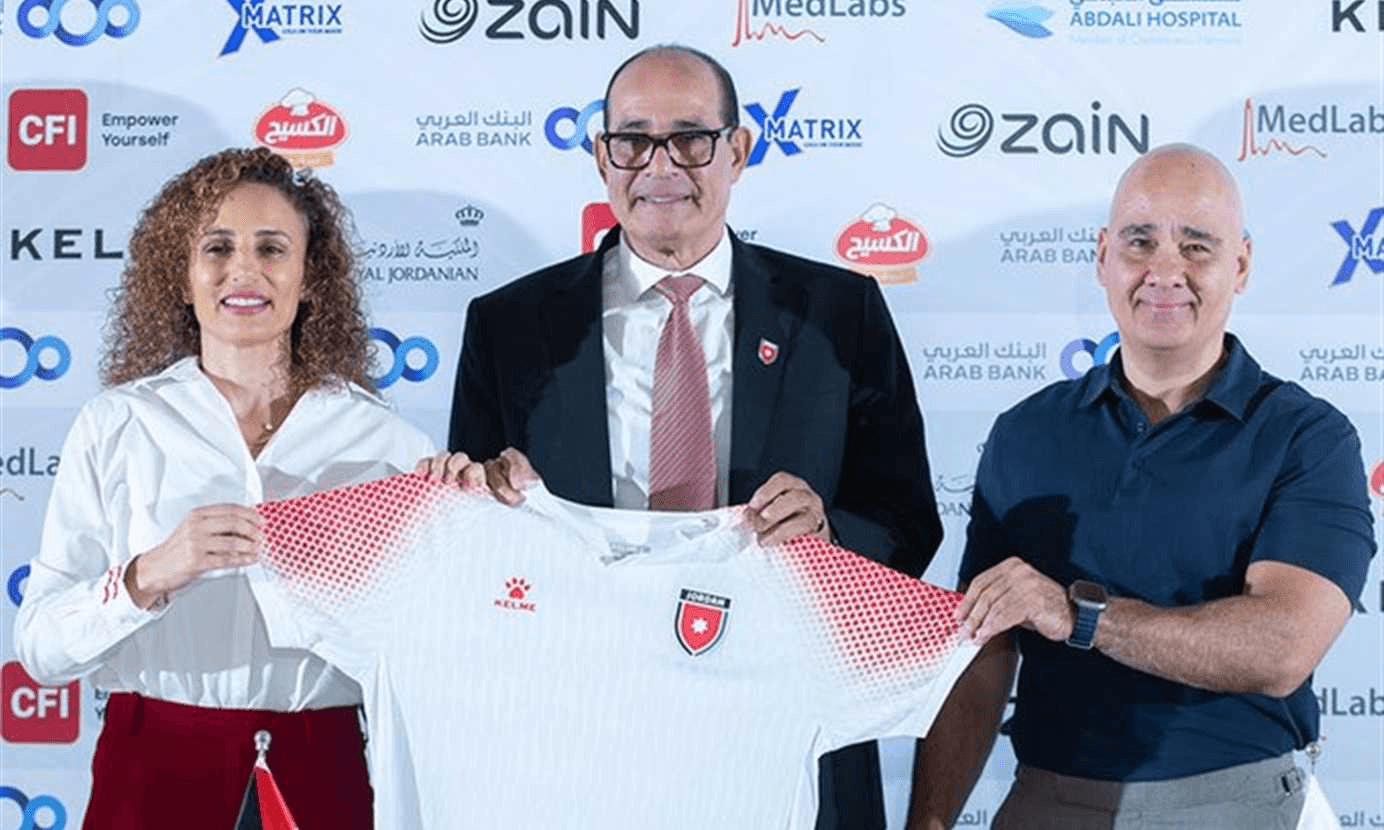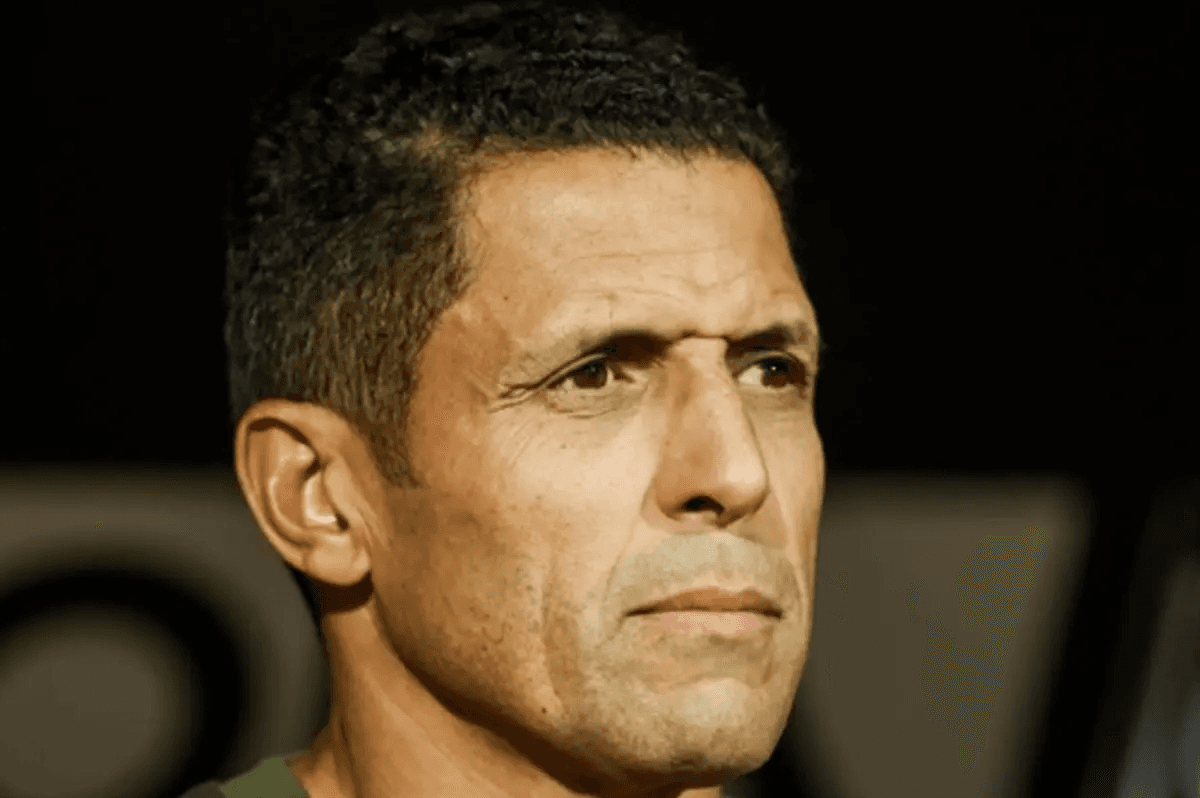
The circumstances surrounding the appointment of Hussein Ammouta as technical director of Al-Ahly's first team resemble those that led the Jordan Football Association to hire him several years ago.
Ammouta, who took charge of Al-Ahly at the start of the current season, replacing the Dane Jes Thorup after a season described by the Red Devils' fans as disastrous, previously led the Jordan national team in June 2023 under similar circumstances.
Ammouta successfully guided Jordan to the 2023 Asian Cup final for the first time, before leading the team to advanced stages of the qualifiers for the 2026 World Cup, establishing himself as the most successful coach in the national team's history.
Samar Nassar, Secretary-General of the Jordan Football Association, revealed the reasons behind their decision to hire Hussein Ammouta, describing him with the Jordanian saying "he does not smile at warm bread," meaning he is not easily pleased by simple joys.
Surprising the players
Samar Nassar stated in previous remarks to Al-Mashhad Channel: "During the 2023 Asian Cup in Doha, the achievement truly exceeded our expectations. While we always aimed to reach the second round or the semifinals, something different happened; we delivered an outstanding performance with a new playing style, high confidence, and remarkable talents that earned respect."
Nassar clarified that reaching this stage involved initial setbacks; when Hussein Ammouta took over in July 2023, the team lost its first match against Norway by six goals without reply, followed by heavy defeats in both friendly and official matches.
She added: "Nevertheless, we found Ammouta introducing a playing model suited to the nature of Jordanian players, shifting to an offensive style instead of relying entirely on defense and counterattacks."
She continued: "This approach is undoubtedly due to Ammouta; he brought a new football philosophy, the same one currently adopted by Jamal Salami, where Ammouta applied this style with the Jordan national team."
Nassar pointed out that Ammouta's changes shocked the players; the transformation was not limited to tactical thinking but encompassed the entire staff, from equipment managers to the technical director. Additionally, the medical department was restructured and given significant attention, alongside introducing modern football technologies such as performance analysts and data analysts, closely resembling what Al-Ahly implemented at the start of the current season.
Selection process
She continued: "It was not an easy transitional phase, but Ammouta proved to be a firm, strict, and professional figure... He does not smile at warm bread, and that specifically was the shock the players needed to bring about radical change."
Regarding how Ammouta was chosen, she confirmed that the decision underwent comprehensive study; a shortlist was prepared featuring coaches who had participated in the World Cup and possessed experience in coaching national teams and achieving successes. The list included foreign, regional, and Arab coaches, and several meetings were held until consensus was reached on an Arab coach.
Ambition
Explaining the reasons for selecting an Arab coach for the Jordan national team, she said: "An Arab coach was chosen because Jordan always focuses on the Arab school due to cultural proximity, not to reduce financial costs. At that stage, cost was not a consideration; the federation had the resources to hire a coach even if it cost 30 million, but the goal was to attract the most suitable coach whose ambitions aligned with ours."
She continued: "Ammouta was supposed to be with the Morocco national team at the 2022 World Cup, but special family circumstances prevented him, so he declined at the time. Therefore, he possessed the passion and ambition to compensate for that missed opportunity through the Jordan national team door, and he welcomed the Jordanian offer given his distinguished record. We found him to be the optimal choice."
Changing the school
She noted that transitioning from the previous coach Adnan Hamad's school, characterized by calmness and good relationships with players, to the Moroccan Ammouta's school, marked by his firm and strict personality and different tactical vision, represented a major shift, yet it was carefully planned.
She elaborated: "This transition was not impulsive; continuing to repeat the same methods for ten years would only lead to the same results, so a radical change was necessary."
Samar Nassar concluded her remarks by saying: "We found great alignment in ambitions and goals with Hussein Ammouta, and he was the appropriate strict figure for the phase of change we needed."